

Making zinc chloride safely means starting with zinc metal and hydrochloric acid in a well-ventilated space, adding the metal slowly to the acid rather than the other way around, and letting the reaction finish before you evaporate the water to collect the salt. The reaction produces hydrogen gas, which is flammable, and it releases heat, so the two things that matter most are airflow and going slowly. This is a project for adults with basic lab experience and proper safety gear, not a kitchen experiment to improvise.
Zinc chloride (ZnCl₂) is a white, water-loving salt used in soldering flux, wood preservation, and some laboratory work. You can make it from scratch, but the process involves a strong acid and a flammable gas. Understanding each step before you start is what separates a controlled reaction from an accident.
What Is Zinc Chloride and Why Make It Yourself?
Zinc chloride is an ionic compound of zinc and chlorine. It dissolves easily in water and pulls moisture straight out of the air, which is why it works well as a drying agent and a flux.
People make it at home for a few reasons. It is the active ingredient in some soldering fluxes that help metal joints bond cleanly. It is also used in small amounts for certain wood treatments and in some science demonstrations. Buying it is possible, but it can be harder to find locally than the two starting materials.
The chemistry is simple. Zinc metal reacts with hydrochloric acid to produce zinc chloride and hydrogen gas:
Zn + 2HCl → ZnCl₂ + H₂
That single equation tells you almost everything about the safety concerns. You are generating a flammable gas, and the reaction gives off heat. Both facts shape every step that follows.
What Safety Gear and Setup Do You Need Before You Start?
Do not begin without the right equipment and a space you can ventilate. Hydrogen gas builds up in closed rooms, and acid splashes cause real burns.
Gather these items first:
- Safety goggles that seal against your face, not just glasses
- Nitrile or neoprene gloves, since hydrochloric acid eats through many materials
- A lab coat or old long-sleeved clothing you can remove quickly
- Hydrochloric acid, often sold as muriatic acid for pools and masonry
- Zinc metal, ideally in granules or strips rather than fine powder
- A heat-resistant glass or plastic container, never metal
- A glass or plastic stirring rod
- Access to running water and a sink for rinsing
Work outdoors or near an open window with a fan pulling air away from you. Hydrogen is lighter than air and disperses quickly outdoors, but it collects near the ceiling indoors. Keep all flames, sparks, and pilot lights far away.
A note on the acid: pool-grade muriatic acid is the same chemical as lab hydrochloric acid, just less pure and often more concentrated. Impurities can end up in your final product. If you need clean zinc chloride, use lab-grade acid.
How To Make Zinc Chloride Safely Step By Step?
Here is the core process, done in the order that keeps the reaction under control.
Step 1: Dilute the acid if needed. If you are using concentrated hydrochloric acid, dilute it by adding acid to water, never water to acid. Adding water to concentrated acid can cause it to spit and boil violently. Aim for a diluted acid solution before the zinc goes in. This slows the reaction and reduces fumes.
Step 2: Add zinc slowly, in small portions. Drop a few pieces of zinc into the acid and wait. The mixture will start to fizz as hydrogen bubbles form. Once the fizzing settles, add a few more pieces. Never dump all the zinc in at once. A large amount at once can heat up fast and foam over.
Step 3: Let it react and keep it ventilated. The fizzing is hydrogen gas leaving the solution. Keep the area ventilated the whole time. If the reaction slows before the zinc is used up, you can add a little more acid, but go slowly. Warmth speeds the reaction, so a gentle warmth helps, but you do not need to heat it.
Step 4: Stop when the zinc is gone or the acid is spent. When bubbling stops and there is leftover zinc at the bottom, the acid is used up. If all the zinc dissolves and fizzing continues, you have extra acid. Either way, the reaction is done when the fizzing stops.
Step 5: Filter out any leftover solid. Pour the liquid through a filter or let the solids settle and pour off the clear liquid. This removes unreacted zinc and any impurities.
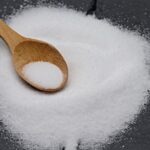
Step 6: Evaporate the water to collect the salt. Gently warm the filtered liquid in a ventilated space to drive off water. Do not boil it hard. As water leaves, zinc chloride crystals form. Zinc chloride is very good at pulling moisture from the air, so once you have your crystals, store them in a sealed container right away or they will turn syrupy.




What Are the Main Dangers and How Do You Avoid Them?
Two hazards dominate: the hydrogen gas and the acid itself. Both are manageable with the right habits.
Hydrogen gas is flammable and can ignite easily. It is also odorless, so you cannot smell it building up. The fix is simple. Work where air moves, and keep every ignition source away. Outdoors is safest.
Hydrochloric acid burns skin and eyes and gives off irritating fumes. Diluting it lowers both risks. If acid touches your skin, rinse with plenty of water right away. If it gets in your eyes, rinse for several minutes and get medical help.
The reaction also produces heat. In a small container with too much zinc added too fast, the mixture can get hot enough to spatter. Adding the metal slowly keeps the temperature in check.
Zinc chloride itself is not harmless once made. It is corrosive in concentrated form and can irritate skin and eyes. Treat the finished product with the same respect as the starting acid.
Can You Make Zinc Chloride Without Hydrochloric Acid?
Yes, there are other routes, though each has tradeoffs.
One option is reacting zinc with a different acid, such as sulfuric acid, but that produces zinc sulfate, not zinc chloride. To get chloride, you need a chloride source.
Another route is mixing zinc oxide or zinc carbonate with hydrochloric acid. These reactions are gentler and produce less gas, which some people prefer. Zinc oxide plus hydrochloric acid gives zinc chloride and water. Zinc carbonate adds carbon dioxide as a byproduct instead of hydrogen, which is far less flammable.
You can also combine zinc metal with copper chloride in solution. The zinc displaces the copper, forming zinc chloride and leaving copper behind. This avoids strong acid entirely, which lowers the burn risk, though it introduces copper waste you have to handle.
For most beginners, the zinc-and-hydrochloric-acid method is the most direct, but the zinc-oxide route is calmer if you can get the materials.
How Should You Store and Handle the Finished Product?
Zinc chloride is deliquescent, meaning it absorbs moisture from the air until it dissolves in its own absorbed water. That is why storage matters as much as the reaction itself.
Keep it in a tightly sealed glass or plastic container. Add a desiccant packet if you want to keep it dry longer. Store it away from metals, since it is corrosive, and away from anything you do not want damaged by moisture or chloride.
Label the container clearly. A white salt in an unmarked jar is a hazard waiting to happen. Write the name and the date.
Keep it out of reach of children and pets. Zinc chloride is not a substance to leave sitting on a counter.
Is Making Zinc Chloride at Home Worth It?
For a specific project, sometimes yes. For casual curiosity, probably not.
The cost of the safety gear, the acid, and the zinc often adds up to more than buying a small amount of finished zinc chloride. The process also carries real risks that a store-bought product does not. If you only need a little, buying it is usually the smarter call.
If you do make it, treat it as a genuine chemistry project. Read the steps fully before you start. Set up your space. Keep the reaction slow. The people who get hurt are almost always the ones who skip the setup to save time.
Frequently Asked Questions
Is it safe to make zinc chloride at home?
It can be done safely by adults with proper gear, ventilation, and a slow approach, but it involves a strong acid and flammable hydrogen gas. It is not a suitable project for children or for anyone without basic lab experience.
What gas is produced when zinc reacts with hydrochloric acid?
The reaction produces hydrogen gas, which is flammable and odorless. This is why the process must be done in a ventilated area away from any flames or sparks.
Why does zinc chloride turn wet in storage?
Zinc chloride absorbs moisture from the air until it dissolves in the water it pulls in. Sealing it in an airtight container right after it dries helps prevent this.
Can I use muriatic acid from a hardware store?
Yes, muriatic acid is hydrochloric acid, but it is less pure than lab-grade acid and contains impurities that can end up in your final product. Use lab-grade acid if you need clean zinc chloride.
