
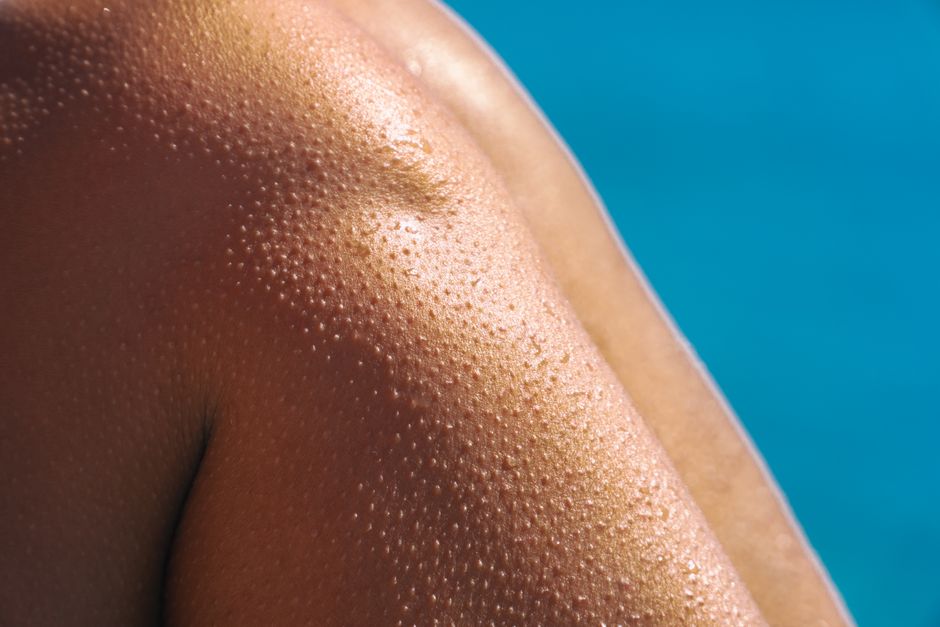
You run your fingers across your forehead and feel them: tiny, firm bumps under the skin. No redness, no white head, just a rough texture that makeup sits on top of instead of covering. These are closed comedones, and squeezing them the way you would a pimple usually makes things worse.
The safest way to deal with a closed comedo at home is to leave the pore itself alone and treat the blockage instead. A warm compress can soften the plug and sometimes let it release on its own. If you do extract, do it only on a comedo that has come to a visible head, using clean hands and gentle pressure from two cotton swabs. Most closed comedones clear faster with consistent chemical exfoliation than with any amount of squeezing.
What Exactly Is a Closed Comedo?
A closed comedo is a hair follicle that has become plugged but is still covered by a thin layer of skin. The medical name for a single one is a comedo; the plural is comedones. A whitehead and a blackhead are both types of comedo. The difference is whether the pore stays closed or opens to the surface.
Inside the follicle, dead skin cells that would normally shed instead stick together and mix with sebum, the oily substance your sebaceous glands produce. In a closed comedo, that mixture stays trapped below the surface. Because no air reaches it, the plug does not darken the way a blackhead does. You get a small, skin-colored or slightly pale bump instead.
This is worth understanding because it changes how you treat it. A closed comedo is not an infection. There is no pus to drain and no bacteria-driven inflammation driving it. That is why aggressive squeezing does so little for it and so much damage around it.
Why Squeezing a Closed Comedo Usually Backfires
When you press on a closed comedo, you are pushing a plug that has no exit. The pore opening is still covered by skin, so the contents have nowhere to go. The pressure has to go somewhere, and it goes sideways, into the surrounding tissue.
That sideways pressure can rupture the follicle wall beneath the skin. When the contents spill into the dermis, your immune system responds with inflammation. A quiet, flat bump becomes a red, tender, swollen lesion. In some cases it becomes a cyst or nodule, which can heal with a scar or a dark mark that lasts far longer than the original comedo would have.
There is a second problem. The follicle that produced one closed comedo is prone to producing more. The underlying conditions, retained dead skin cells and excess sebum, have not changed. So you may clear one bump and find three more in the same area within weeks.
Dermatologists generally advise against at-home extraction of closed comedones for these reasons. The ones you see on the surface are usually not the whole picture. A trained clinician using sterile tools and a comedone extractor can often release them with far less trauma, and can also treat the underlying plug with prescription options.
How To Pop Closed Comedones Safely At Home
If you are going to attempt extraction, the goal is to reduce risk, not eliminate it. There is no way to squeeze a closed comedo that carries zero risk of making it worse. The steps below are the least harmful approach.
Start with a warm compress. Hold a clean, soft cloth soaked in comfortably warm water against the area for a few minutes. Warmth increases blood flow and can soften the plug. Do not use water hot enough to sting or redden the skin.
Wash your hands and the area with a gentle cleanser, then dry with a clean towel. If the comedo has not formed a visible white or pale head, stop here. A comedo with no visible opening is not ready to be extracted, and pressing on it will push contents deeper instead of out.
If a head is visible, place two cotton swabs on either side of it and press inward and slightly upward with light, steady pressure. Cotton swabs are better than fingertips because they spread force more evenly and are less likely to tear skin. If nothing comes out with one or two gentle attempts, stop. Do not dig, scrape, or use your nails.
Afterward, apply a plain, fragrance-free moisturizer. Avoid alcohol-based toners and harsh astringents, which strip the skin and can trigger more oil production. Give the area a day or two before touching it again.





What Actually Clears Closed Comedones Over Time
Consistent chemical exfoliation works on the cause rather than the symptom. It loosens the bonds between dead skin cells so they shed normally instead of clumping inside the pore.
Salicylic acid is a beta hydroxy acid that is oil-soluble, which lets it penetrate into the pore lining. It is available over the counter in cleansers, toners, and spot treatments. Benzoyl peroxide reduces the bacteria involved in inflammatory acne and helps keep pores clear, though it is drying for some people. Adapalene is a topical retinoid available over the counter in the US and is also used at prescription strength; it speeds up cell turnover and helps prevent new comedones from forming.
These ingredients take time. Results typically appear over weeks, not days, and the skin sometimes gets worse before it gets better. Start with one active ingredient at a time and introduce it slowly, because layering several at once often causes irritation that looks a lot like the problem you were trying to fix.
For stubborn or widespread closed comedones, a dermatologist can offer prescription retinoids, topical antibiotics, or professional extraction. Prescription options exist for a reason: some comedonal acne does not respond well to over-the-counter products alone, and waiting too long can allow it to progress.
What Triggers Closed Comedones in the First Place
Comedones form when dead skin cells fail to shed normally and sebum production is high enough to trap them. Several factors push that process along.
- Hormones. Androgens increase sebum production, which is why comedonal acne often begins in the teen years and can flare around the menstrual cycle, during pregnancy, or with certain hormonal conditions.
- Heavy or occlusive products. Thick creams, some sunscreens, and oil-based makeup can contribute to plugging in people who are prone to it. The term for this is comedogenic, meaning pore-clogging.
- Friction and heat. Tight clothing, helmets, and headbands can trap sweat and oil against the skin.
- Certain medications. Some prescription drugs, including specific steroids and lithium, are associated with acne flares.
- Genetics. A family history of acne raises your likelihood of developing it.
Diet is often blamed, but the evidence here is not settled. Some research suggests that high-glycemic diets and dairy may be associated with acne in certain people, though results vary and the relationship is not strong enough to call it a cause. If you notice a consistent pattern between a specific food and your breakouts, it is reasonable to discuss it with a clinician, but cutting out food groups on the basis of internet advice alone is not well supported.
When To See a Dermatologist Instead
Some situations call for professional care rather than home treatment. See a dermatologist if the comedones are widespread, if they are becoming red, painful, or cystic, if you are developing scars or dark marks, or if over-the-counter treatments have not helped after a few months of consistent use.
You should also get medical input if you have a sudden breakout of many comedones with no clear trigger, or if you are also noticing other symptoms such as irregular periods or excess hair growth, which can point to a hormonal cause worth evaluating.
One thing worth saying plainly: picking at your skin is the single most common way people turn a manageable cosmetic issue into a scarring one. The urge is understandable, and the payoff is almost never worth it.
Frequently Asked Questions
Can you pop a closed comedo that has no head?
No. A closed comedo with no visible opening has nowhere for the contents to go, so pressure pushes them deeper into the skin and can cause inflammation or scarring. Wait for a visible head or treat it with exfoliating ingredients instead.
How long does it take for closed comedones to go away?
With consistent use of ingredients like salicylic acid or adapalene, improvement usually appears over several weeks rather than days. Some people see the skin worsen briefly before it improves, which is common with retinoids.
Does toothpaste or baking soda help get rid of closed comedones?
No. Neither is a treatment for comedones, and both can irritate or damage the skin barrier. There is no clinical evidence supporting either as an acne treatment.
Should I use a comedone extractor tool at home?
Dermatologists generally advise against at-home extraction because the pressure is hard to control and can rupture the follicle. If extraction is needed, a clinician using sterile tools can usually do it with less trauma to the skin.
