
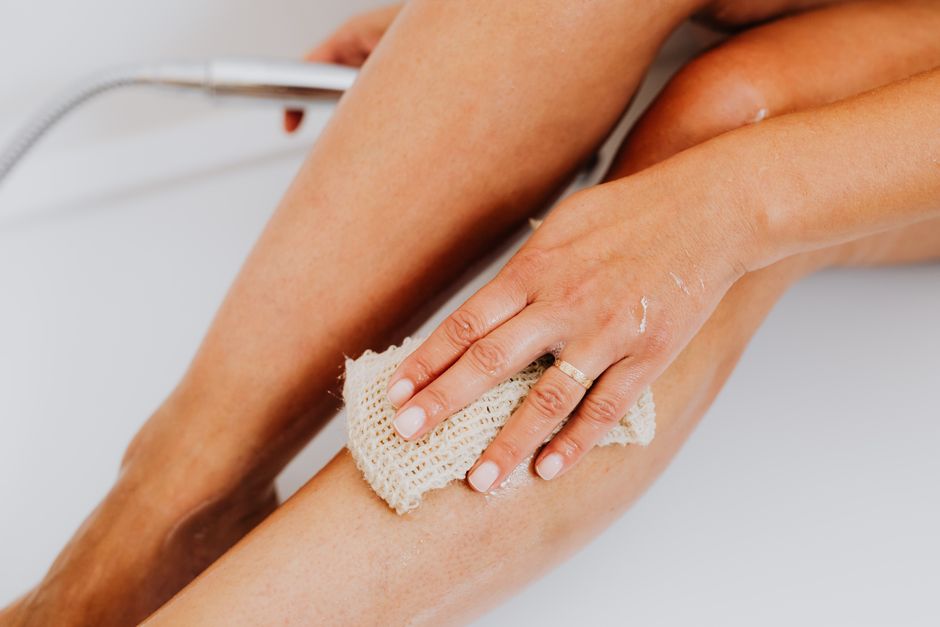
Scrubbing your legs is more than just rubbing soap on them in the shower. The goal is to remove dead skin cells, improve circulation, and leave your skin feeling smooth. The best method involves using a gentle physical exfoliant or a chemical exfoliant, working in circular motions from the ankles up toward your heart, and always following up with a moisturizer to lock in hydration.
Why Should You Scrub Your Legs?
Your skin sheds dead cells constantly. When those cells build up, they can make your legs look dull, dry, or flaky. They can also clog hair follicles, which leads to ingrown hairs and razor bumps after shaving.
Scrubbing removes that buildup. It reveals the newer, smoother skin underneath. It also stimulates blood flow near the surface of the skin. That temporary redness you see after a good scrub is increased circulation, and it usually fades within a few minutes.
There is no medical requirement to scrub your legs. It is a cosmetic and comfort practice. But for many people, it makes a noticeable difference in how their skin looks and feels.
What Is the Best Way To Scrub Legs?
The technique matters more than the product. Here is the method that dermatologists and estheticians generally recommend.
Start with warm, not hot, water. Heat strips moisture from your skin. Warm water softens the dead skin cells without drying you out. Shower first for a few minutes so your skin has time to soften.
Apply your exfoliant to damp skin. Work in small, circular motions. Move from your ankles upward toward your thighs. This direction follows the path of blood flow back to your heart. It is not a proven medical necessity, but it is the standard recommendation in skincare.
Use light to moderate pressure. You are not trying to scrub off a layer of skin. You want to feel friction, not pain. If your skin turns bright red or stings, you are pressing too hard.
Spend about 30 to 60 seconds per leg. That is enough time to cover the surface without overdoing it. Pay extra attention to rough areas like knees, ankles, and heels. These spots have thicker skin and may need a few extra passes.
Rinse thoroughly with warm water. Make sure no scrub residue is left behind. Residue can clog pores or irritate skin after you dry off.
Pat your legs dry with a towel. Do not rub. Rubbing can irritate freshly exfoliated skin. Apply moisturizer within three minutes of getting out of the shower. This is the critical step. Exfoliation opens up your skin’s ability to absorb moisture, and moisturizer locks it in.
What Should You Use To Scrub Your Legs?
You have two main options: physical exfoliants and chemical exfoliants.
Physical exfoliants are the ones you can feel. They include:
- Body scrubs with sugar, salt, or coffee grounds
- Exfoliating gloves or mitts
- Dry brushes
- Loofahs and washcloths
- Pumice stones for heels
Sugar scrubs are generally gentler than salt scrubs. Salt crystals are larger and sharper. Coffee grounds are popular but can be abrasive if the particles are large. Exfoliating gloves are a good option if you prefer not to use a product with granules.
Chemical exfoliants use acids to dissolve the bonds between dead skin cells. The most common types are alpha-hydroxy acids (AHAs) and beta-hydroxy acids (BHAs).
Glycolic acid and lactic acid are AHAs. They are water-soluble and work on the surface of the skin. Lactic acid is particularly good for dry, sensitive skin because it is also a humectant, meaning it draws moisture into the skin. Salicylic acid is a BHA. It is oil-soluble, so it can penetrate into pores. This makes it useful for people who get keratosis pilaris, the small bumps often called “chicken skin” on the backs of thighs.
Chemical exfoliants come in lotions, creams, and body washes. They are not scrubs in the traditional sense, but they accomplish the same goal. Some people prefer them because they provide even exfoliation without the risk of over-scrubbing.





How Often Should You Scrub Your Legs?
Most people can safely scrub their legs two to three times per week. This frequency is enough to keep skin smooth without causing irritation.
If you have sensitive skin, start with once per week. See how your skin responds. If there is no redness, itching, or flaking, you can increase the frequency.
If you have very dry skin, you may benefit from less frequent physical exfoliation and more frequent moisturizing. The exfoliation is not what hydrates your skin. It removes the barrier of dead cells so your moisturizer can work better.
If you have any open wounds, sunburn, or active eczema on your legs, do not scrub those areas. Wait until the skin has healed. Scrubbing broken or inflamed skin can make the condition worse and increase the risk of infection.
After shaving, wait at least a day before scrubbing. Shaving already removes a layer of dead skin cells and can leave micro-cuts. Scrubbing immediately after can sting and irritate the skin.
What Are the Benefits of Scrubbing Your Legs?
Regular exfoliation offers several practical benefits that go beyond appearance.
Smoother skin: Removing dead cells leaves the surface of your skin feeling soft and even. This is the most immediate and noticeable benefit.
Fewer ingrown hairs: When dead skin cells clog hair follicles, new hairs can grow sideways under the skin. Exfoliation keeps the follicle opening clear, which reduces the chance of ingrown hairs.
Better shave: A smooth surface allows a razor to glide more easily. This reduces the risk of nicks and cuts. It also allows the blade to cut hairs closer to the surface.
Improved moisturizer absorption: Moisturizers penetrate more effectively when they are applied to skin that is free of excess dead cells. You get more benefit from the same product.
Improved appearance of skin tone: Dead skin cells can make skin look dull or ashy, especially on darker skin tones. Exfoliation reveals fresher skin and can make the skin look brighter.
Are There Any Risks or Side Effects?
Yes, there are risks if you do it wrong or too often.
Over-exfoliation is the most common problem. It strips away the skin’s protective barrier. This can lead to redness, stinging, burning, and increased sensitivity. In severe cases, it can cause micro-tears in the skin that become entry points for bacteria.
Using a scrub with large, sharp particles can cause micro-scratches. This is more common with homemade scrubs that use coarse salt or crushed nut shells. Stick to fine-grained scrubs or products designed for body use.
Scrubbing too hard can also trigger a condition called erythema, which is temporary redness from increased blood flow. It usually fades within minutes, but if you see broken capillaries or persistent redness, you are using too much pressure.
If you use chemical exfoliants, follow the instructions on the product. Some acids increase sun sensitivity. If you use an AHA body lotion on your legs, apply sunscreen if your legs will be exposed to the sun.
Should You Dry Brush Your Legs?
Dry brushing is a popular alternative to wet scrubbing. It involves using a stiff-bristled brush on dry skin before you shower.
The technique is simple. Start at your feet and brush upward toward your heart using long, sweeping strokes. Use light pressure. Brush each area a few times. Do not brush over broken skin, rashes, or sunburn.
Proponents claim dry brushing stimulates the lymphatic system and helps the body remove toxins. The evidence for these claims is limited. No large clinical studies have confirmed that dry brushing removes toxins or boosts immunity. Your liver and kidneys handle toxin removal, not your skin.
What dry brushing does do is provide physical exfoliation. It removes dead skin cells and can leave your skin feeling smooth. Some people also find it invigorating. If you enjoy it and your skin tolerates it, there is no harm in doing it a few times per week. Just do not expect it to do more than exfoliate.
How To Scrub Legs for Specific Skin Concerns
Different skin issues call for slightly different approaches.
Keratosis pilaris: These small bumps on the backs of the arms and thighs are caused by a buildup of keratin blocking hair follicles. Physical scrubs can help, but chemical exfoliants with salicylic acid or lactic acid are often more effective. Some dermatologists recommend a lotion containing urea, which helps break down the keratin. Consistency matters more than intensity. Use the product regularly, even when the bumps are not visible.
Very dry or flaky skin: Use a gentle sugar scrub or a washcloth with your regular body wash. Follow up with a rich moisturizer containing ceramides or shea butter. You may also want to reduce your shower temperature. Hot water is a major cause of dry, itchy skin.
Ingrown hairs: Exfoliate before you shave, not after. This clears the follicle openings so hairs can grow out straight. A salicylic acid body wash used a few days per week can be particularly helpful. If you already have an ingrown hair that is painful or looks infected, stop exfoliating that spot and see a dermatologist.
Frequently Asked Questions
How long should I scrub my legs?
About 30 to 60 seconds per leg is enough. Longer sessions increase the risk of over-exfoliation and skin irritation.
Can I scrub my legs every day?
Daily scrubbing is too much for most people. Two to three times per week is the typical recommendation. Daily exfoliation can strip your skin’s protective barrier and cause irritation.
Should I scrub my legs before or after shaving?
Scrub before shaving to lift hairs and remove dead skin cells. Shaving after exfoliation gives a closer, smoother result. Wait at least a day to scrub again after you shave.
Is it better to use a sugar scrub or a salt scrub on legs?
Sugar scrubs are gentler because the granules are smaller and dissolve faster. Salt scrubs are more abrasive and better suited for very rough areas like heels. If you have sensitive skin, choose sugar.
