
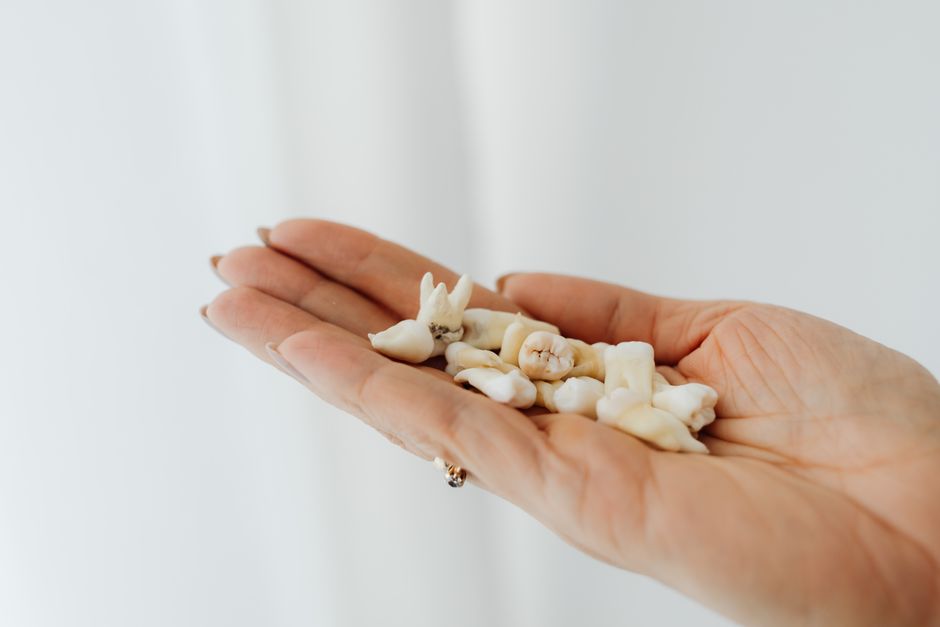
If a tooth is knocked out, handle it by the crown (the white part), not the root. Rinse it gently with water if dirty, then try to place it back in the socket. If that isn’t possible, store it in milk and see a dentist within 30 minutes. For a loose tooth, treatment depends on the cause—often gum disease or injury. A decayed tooth may be saved with a filling or root canal if the damage isn’t too deep. Getting dental care quickly gives the best chance of saving any tooth.
How to save a tooth knocked out, loose, or decayed
Each situation requires a different approach. A knocked‑out tooth is a dental emergency. A loose tooth often signals gum disease or injury. A decayed tooth needs treatment to stop the infection from spreading. The common thread is time. The sooner you act, the better your chances of keeping the tooth.
For a knocked‑out tooth, reimplantation works best within 30 minutes. For a loose tooth, splinting and deep cleaning may stabilize it. For a decayed tooth, a filling or root canal can remove the damaged tissue and seal the tooth. If the tooth is too damaged to repair, extraction may be the only option.
How to save a tooth that is fully knocked out
This is called an avulsed tooth. The tooth is completely out of the socket. Your goal is to get it back in within 30 minutes. Follow these steps:
- Pick up the tooth by the crown (the chewing surface). Do not touch the root.
- If the tooth is dirty, rinse it briefly with milk or water. Do not scrub or use soap.
- Try to reinsert the tooth into the socket. Gently push it in. Hold it in place with a clean cloth or bite down softly.
- If you cannot reinsert it, keep the tooth moist. Place it in milk, a saline solution, or inside your cheek (if the person is old enough to avoid swallowing it). Water is a last resort because it damages root cells.
- See a dentist immediately. Every minute matters.
Do not let the tooth dry out. Do not wrap it in tissue. Do not store it in tap water for more than a few minutes. Milk is the best storage medium because it keeps root cells alive longer.
How to save a loose tooth
A loose tooth in an adult is not normal. It usually means the bone and gum that hold the tooth are damaged. Common causes include gum disease, injury, teeth grinding, or a failed root canal. Treatment depends on the cause and how loose the tooth is.
If the tooth is loose due to an injury, a dentist may splint it to neighboring teeth. This stabilizes the tooth while the bone heals. Healing takes several weeks. During that time avoid chewing on that side.
If gum disease is the cause, the dentist will perform a deep cleaning called scaling and root planing. This removes plaque and tartar below the gum line. In some cases, gum surgery is needed to rebuild lost bone and tissue. The tooth may tighten over time if the infection is controlled.
If the tooth is very loose and the bone loss is severe, saving it may not be possible. Your dentist will explain the options, including extraction and replacement with an implant or bridge.



How to save a decayed tooth
Tooth decay starts as a small hole in the enamel. If caught early, a filling can save the tooth. The dentist removes the decayed part and fills the cavity with a durable material like composite resin or amalgam.
If the decay reaches the pulp (the soft center with nerves and blood vessels), a root canal is needed. The dentist removes the infected pulp, cleans the inside of the tooth, and seals it. A crown is usually placed afterward to protect the tooth. This can save a tooth that would otherwise need extraction.
If the decay is so deep that the tooth structure is too weak to hold a crown, or the bone around the tooth is infected, extraction may be the only safe option. Your dentist will take x‑rays to assess how much damage there is.
When is it too late to save a tooth
Some teeth cannot be saved. That includes:
- A knocked‑out tooth that has been dry for more than an hour.
- A tooth with a vertical crack that reaches below the gum line.
- A tooth with severe bone loss from gum disease where it moves more than a few millimeters.
- A decayed tooth with too little healthy structure left for a filling or crown.
- A tooth that is already infected and the infection has spread to the jawbone.
In these cases, removing the tooth prevents further damage to surrounding teeth and bone. You can then consider a dental implant, bridge, or partial denture to replace it.
What home care can help after saving a tooth
After a dentist treats a knocked‑out, loose, or decayed tooth, follow‑up care is important. Keep the area clean. Gently brush around the tooth with a soft‑bristled toothbrush. Avoid flossing directly on the treated area until the dentist says it is safe.
If you had a splint, do not eat hard or sticky foods. Use a mouthguard at night if grinding caused the looseness. Take any prescribed antibiotics or pain relievers as directed. Attend all follow‑up appointments so your dentist can monitor healing.
For a tooth that had a root canal, a permanent crown is usually placed two to three weeks later. Until then, avoid chewing on that side of the mouth.
Frequently Asked Questions
Can a tooth that is knocked out be saved if it dries out?
If the tooth dries out for less than 30 minutes, there is still a chance. After one hour of drying, the root cells die and successful reimplantation is very unlikely.
Is it safe to put a knocked‑out tooth back in the socket?
Yes, if the person is conscious and able to cooperate. Gently push the tooth into the socket and hold it in place. Do not force it if it does not fit easily.
Can a loose tooth from gum disease tighten back up?
Yes, if the gum infection is treated early and the bone loss is not severe. Deep cleaning and good home care can allow the gums to reattach, making the tooth firmer over weeks or months.
What is the best liquid to store a knocked‑out tooth in?
Milk is the best option because it keeps the root cells alive. If milk is not available, use saline solution or place the tooth inside your cheek (against the gum). Water should be used only as a last resort.
