
Keeping retainers clean comes down to two habits: a quick daily routine that takes under a minute, and a deeper cleaning every week or so to remove buildup that daily rinsing misses. Daily cleaning means brushing the retainer with a soft brush and rinsing it in cool water. Deep cleaning means using a retainer-safe cleaner, such as effervescent tablets made for dental appliances, to kill bacteria and lift stains. Skipping either step lets plaque, bacteria, and odor build up on a device that sits against your teeth and gums for hours at a time.
Why Retainers Get Dirty In The First Place
A retainer is not a sterile object. The moment it goes in your mouth, it picks up saliva, food particles, and the same bacteria that form plaque on your teeth. Because plastic and wire surfaces are not smooth like enamel, bacteria settle into tiny scratches and crevices.
That film is the problem. It hardens into a layer that traps odor and creates a rough surface where more bacteria collect. This is why a retainer can start to smell even when it looks clean.
There is a second issue people rarely think about. A retainer covers the teeth and blocks the normal washing action of saliva. Saliva helps clear food and neutralizes acid. When a retainer sits over the teeth for hours, that protection is reduced underneath it. This is one reason dentists and orthodontists stress cleaning the appliance itself, not just brushing the teeth.
How Do You Clean Retainers Every Day?
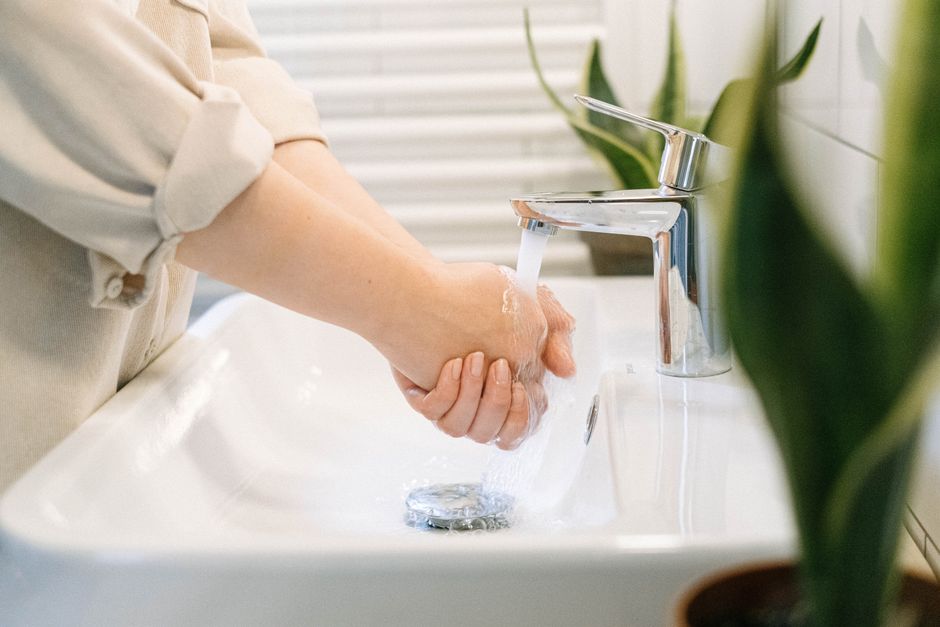
The daily routine is simple and should take less than a minute. Rinse the retainer under cool water every time you take it out, then brush it gently with a soft-bristled toothbrush.
You can use a small amount of mild, non-abrasive soap, or simply brush with water. Some people use their regular toothpaste, but many orthodontists advise against it. Here is the non-obvious part: most toothpastes are abrasive, and that grit can scratch the plastic over time. Scratches create hiding places for bacteria and make the retainer look cloudy. If you want to use toothpaste, a gentle, non-abrasive formula is the safer choice.
Always use cool or lukewarm water. Hot water can warp the plastic, and a warped retainer will not fit correctly. That defeats the purpose of wearing it.
Clean the retainer at the sink, not over a hard floor, and close the drain or fill the basin first. Dropping a retainer is one of the most common ways people break or lose them.
- Rinse with cool water every time you remove it.
- Brush gently with a soft brush once or twice a day.
- Avoid hot water, which can distort the plastic.
- Skip abrasive toothpaste if you can.
- Never let the retainer dry out with saliva and debris still on it.
How To Sanitize Retainers Daily And Deep Cleaning: What Actually Works
For real sanitizing, effervescent cleaning tablets made for dental appliances are the most practical option. You drop the tablet into a cup of water, place the retainer in, and let it soak. These products are designed to break down plaque and reduce bacteria on the appliance.
How often you deep clean depends on your mouth and your habits. A reasonable approach is a quick daily brush plus a soak every few days, with a more thorough cleaning once a week. People who wear their retainer full time, or who are prone to plaque buildup, may need to soak more often.
What about the popular home remedies? Many people soak retainers in vinegar, hydrogen peroxide, or denture cleaner. Vinegar and hydrogen peroxide can help with odor and stains, and some clinicians suggest them. But the evidence for exact concentrations and soak times is not well established, and strong or prolonged soaking can affect some materials. If you use them, keep the soak short and dilute, and check with your orthodontist about your specific retainer type.
One thing to be clear about: no cleaner sterilizes a retainer completely. The goal is to reduce bacteria and remove buildup, not to make the device germ-free. That is a realistic and useful target.





What Should You Never Use On A Retainer?
Some common products can damage a retainer even though they seem like good cleaners. Hot water is the biggest one. It can soften and warp the plastic, and the damage is usually permanent.
Bleach is another. It is harsh, can discolor or degrade certain materials, and leaves a residue you do not want in your mouth. Abrasive cleansers and stiff brushes can scratch the surface, which makes future buildup worse.
Dishwasher cleaning is tempting but risky. The heat in most dishwashers can distort plastic retainers, so this is generally not recommended. The same caution applies to boiling water.
If your retainer has metal parts, be careful with anything acidic, including vinegar, since acid can affect metal over time. When in doubt about a product, ask the office that made your retainer. They know the exact material.
Does A Clean Retainer Really Matter For Your Health?
Yes, and the reasons are practical. A dirty retainer holds bacteria against your teeth and gums for hours. That can contribute to plaque buildup, gum irritation, and bad breath. It can also make the retainer itself unpleasant to wear, which matters because consistency is what keeps your teeth from shifting.
There is a bigger-picture point here. Retainers are worn long term, often for years, and sometimes indefinitely. A device you wear that much deserves the same attention you give your toothbrush. Replacing a worn or damaged retainer is also part of the routine, since a cracked or ill-fitting one cannot do its job.
The evidence on how much retainer hygiene directly prevents specific dental diseases is not as strong as the evidence for brushing and flossing your teeth. But the basic principle is sound: reducing bacterial buildup on something that touches your mouth for hours is a reasonable and low-cost habit.
How Do You Keep Retainers Clean When You Are Away From Home?
Travel and workdays are where most people slip. The fix is to carry a small kit. A hard case, a travel toothbrush, and a few cleaning tablets cover almost any situation.
When you take the retainer out to eat, rinse it and put it in its case. Do not wrap it in a napkin or leave it loose in a bag. Retainers get thrown away or crushed this way more often than people expect.
If you cannot brush it right away, a quick rinse is far better than nothing. Soak it when you get back to your routine. The goal is to avoid letting debris sit on the surface for hours.
How Often Should You Replace Cleaning Supplies?
Your retainer brush should be replaced on roughly the same schedule as your toothbrush, about every three to four months, or sooner if the bristles look worn. A worn brush cleans poorly and can harbor bacteria.
Keep the retainer case clean too. A case that never gets washed becomes its own source of odor and bacteria. Rinse it regularly and let it air dry with the lid open when you can.
Finally, follow whatever cleaning guidance came with your retainer. Different materials, from clear plastic to wire and acrylic, tolerate different products. The general rules here apply broadly, but the specific recommendations from your orthodontist should take priority.
Frequently Asked Questions
Can I clean my retainer with toothpaste?
You can, but many orthodontists advise against it because most toothpastes are abrasive and can scratch the plastic over time. If you use toothpaste, choose a gentle, non-abrasive formula.
How often should I deep clean my retainer?
A practical routine is a quick daily brush plus a soak every few days, with a more thorough cleaning about once a week. People who wear a retainer full time may need to soak more often.
Is it safe to soak retainers in vinegar or hydrogen peroxide?
These can help with odor and stains, and some clinicians suggest them, but exact concentrations and soak times are not well established. Keep any soak short and diluted, and check with your orthodontist about your specific retainer material.
Can hot water damage my retainer?
Yes. Hot water can soften and warp the plastic, and the damage is usually permanent. Always use cool or lukewarm water.
