
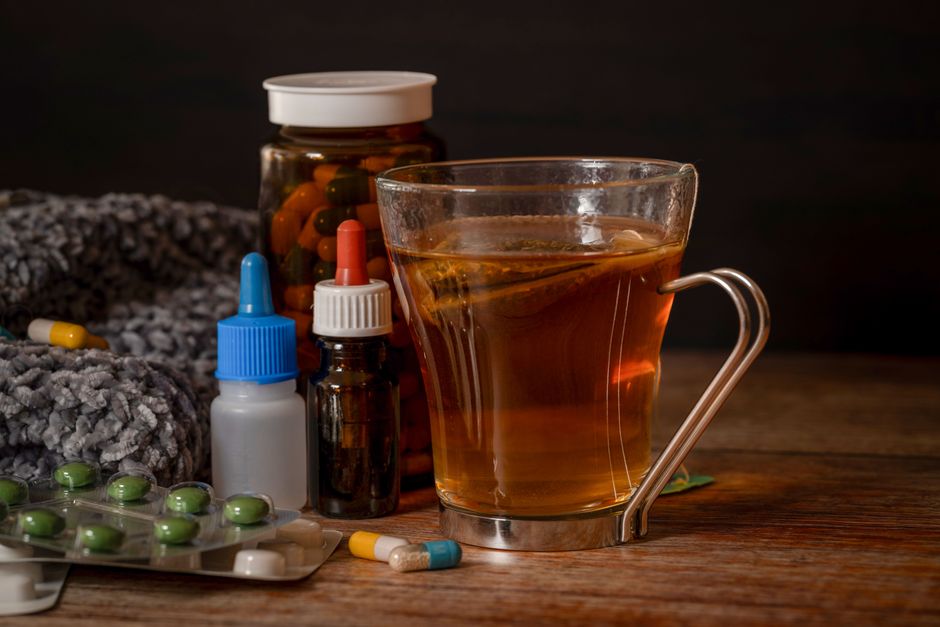
Your body removes alcohol on its own schedule, and no drink, pill, or trick speeds that up. The liver breaks down about one standard drink per hour, and that rate stays the same whether you sleep, exercise, or chug water. The only real way to lower your blood alcohol concentration (BAC) is time. Everything else—coffee, cold showers, food—can make you feel different, but it does not make you sober.
How Does the Body Actually Remove Alcohol?
Alcohol enters your bloodstream quickly. Most of it is absorbed in the stomach and small intestine, and it reaches the brain within minutes. Your liver does the heavy lifting. It processes about 90 percent of the alcohol you drink. The remaining 10 percent leaves through breath, sweat, and urine.
The liver uses enzymes to break alcohol down into acetaldehyde, then into acetate, and finally into water and carbon dioxide. That process runs at a fixed speed. It is not something you can speed up with effort, supplements, or home remedies.
This is why time is the only genuine answer. If you drink two standard drinks in an hour, your body needs about two hours to clear that alcohol. If you drink five, expect about five hours. The math is not perfect for every person, but it is the most reliable estimate we have.
Can Drinking Water Flush Alcohol Out Faster?
Water does not speed up alcohol metabolism. Your liver processes alcohol at the same rate regardless of how much water you drink. What water does do is help with dehydration. Alcohol is a diuretic, meaning it makes you urinate more and lose fluids. Replacing those fluids can reduce headache and dry mouth, which makes you feel better even if your BAC has not changed.
Drinking water between alcoholic drinks has another benefit. It slows how quickly you drink, which gives your liver more time to keep up. Someone who alternates water and alcohol will likely end the night with a lower BAC than someone drinking alcohol continuously. That is a practical strategy, not a metabolic shortcut.
Urine tests are a different story. If you are facing a drug or alcohol test, drinking large amounts of water can dilute your urine sample. Labs check for this and may reject diluted samples. Do not rely on this as a workaround.
Do Coffee, Food, or Exercise Help You Sober Up?
Caffeine does not remove alcohol from your system. It is a stimulant, so it can make you feel more alert. That alertness is misleading. Your reaction time, judgment, and coordination remain impaired even when you feel wide awake. The classic “sober up with coffee” myth has caused many people to drive while still intoxicated.
Food works best before you drink, not after. A full stomach slows alcohol absorption, so your BAC rises more gradually. Eating after you have already been drinking does not undo what has been absorbed. It may help with nausea or low blood sugar, but it does not lower your current BAC.
Exercise does not help either. Sweating removes only a tiny fraction of alcohol—about 1 percent. Intense exercise while intoxicated also raises your risk of injury and dehydration. The effort is not worth the negligible effect.



How Long Does Alcohol Stay in Your System?
Detection windows depend on the test. Blood alcohol can be measured for up to 12 hours after heavy drinking. Urine tests can detect alcohol for 12 to 48 hours, and sometimes longer with certain testing methods. Breath tests reflect your current BAC and clear as your liver processes the alcohol.
Hair tests are the outlier. They can detect alcohol metabolites for up to 90 days, though these are rarely used outside of specific legal or medical situations. For most people, the practical question is about feeling sober, not passing a test.
The average person metabolizes alcohol at about 0.015 percent BAC per hour. That means if your BAC is 0.08, it will take roughly five to six hours to reach zero. This rate varies with age, liver health, body composition, and other factors, but the variation is modest.
What Actually Happens During a Hangover?
A hangover is not just dehydration. It involves inflammation, disrupted sleep, low blood sugar, and the toxic byproducts of alcohol metabolism. Acetaldehyde, the intermediate compound in alcohol breakdown, is more toxic than alcohol itself. It contributes to nausea, headache, and the general misery of the morning after.
Some research suggests that certain supplements or hydration formulas may ease specific symptoms. The evidence is mixed, and no product has been shown to eliminate a hangover completely. The most reliable prevention is drinking less or not at all.
One non-obvious point: darker alcoholic drinks like whiskey, red wine, and brandy contain more congeners—natural byproducts of fermentation. Some studies indicate these drinks produce worse hangovers than clear spirits like vodka or gin. Choosing lighter drinks may reduce next-day symptoms, though it does not change how your body clears alcohol.
Are There Any Products That Actually Work?
You have likely seen detox drinks, patches, or pills that promise to flush alcohol fast. No clinical evidence supports these claims. The liver does not respond to external products that claim to accelerate its enzyme activity. Some products are harmless; others contain ingredients that could interact with medications or stress your kidneys.
Intravenous (IV) vitamin drips have become popular in some cities. They rehydrate you and may ease hangover symptoms, but they do not lower your BAC. The alcohol is already in your bloodstream, and only the liver can remove it. An IV drip will not make you sober enough to drive.
Activated charcoal is sometimes suggested as a detox method. It works for certain poisonings by binding toxins in the stomach before they are absorbed. Alcohol is absorbed too quickly for charcoal to have any meaningful effect. By the time you feel intoxicated, the alcohol has already entered your bloodstream.
What Is the Safest Way to Handle Being Intoxicated?
If you have been drinking, the safest plan is time and rest. Do not drive. Do not operate machinery. Do not make important decisions. Sleep is the most practical way to pass the hours while your liver catches up.
Keep drinking water or electrolyte drinks to manage dehydration. Eat something light if you can tolerate it. Avoid more alcohol—drinking again before your body has cleared the first round extends the process and increases health risks.
If someone is unconscious, has trouble breathing, or cannot be woken, call emergency services immediately. Severe alcohol intoxication can be life-threatening. Do not leave an intoxicated person alone to “sleep it off.” Check on them regularly and position them on their side if they are vomiting.
Can You Train Your Body to Process Alcohol Faster?
Chronic heavy drinkers may develop a tolerance that makes them appear less affected by alcohol. This is not because their liver works faster. It is because their brain adapts to the presence of alcohol. The BAC is still high, and the damage to organs continues.
Liver disease changes the equation. If your liver is damaged, it processes alcohol more slowly, not faster. This is why people with liver conditions become intoxicated more easily and take longer to recover. There is no training program that makes your liver more efficient at handling alcohol.
Body weight and composition matter. People with more body water can dilute alcohol to a lower concentration. This is why a larger person generally needs more drinks to reach the same BAC as a smaller person. But this is a fixed trait, not something you can change in a night.
Frequently Asked Questions
How long does it take to flush alcohol out of your system?
On average, the body clears about one standard drink per hour. A BAC of 0.08 takes roughly five to six hours to reach zero.
Does drinking water help you pass a breathalyzer test?
No. Water does not lower your blood alcohol concentration, and breathalyzer tests measure alcohol from your lungs, not your urine. Only time lowers your BAC.
Can exercise speed up alcohol metabolism?
No. Sweating removes only about 1 percent of alcohol, and exercise does not change how fast your liver works. It may actually increase dehydration.
Is it safe to drive the morning after heavy drinking?
Not necessarily. If you drank heavily the night before, you may still have alcohol in your system the next morning. Many people fail breathalyzer tests hours after they feel sober.
