
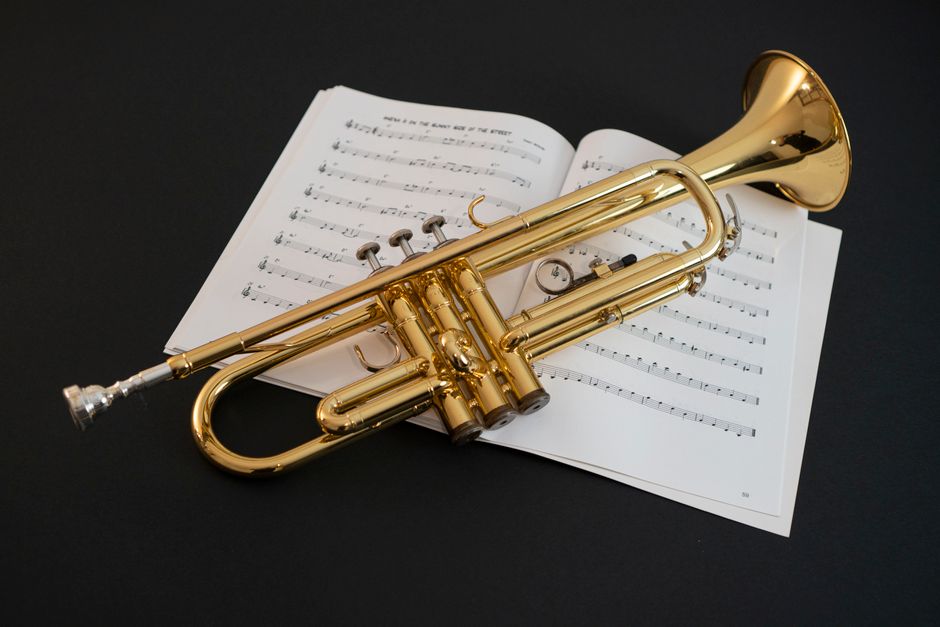
Sanitizing a trumpet mouthpiece is a simple process that takes about five minutes and should be done regularly. The most reliable method is to wash it with warm water and mild dish soap, scrub the inside with a mouthpiece brush, then rinse thoroughly and let it air dry completely. For deeper disinfection, you can soak the mouthpiece in a solution of one part white vinegar to three parts water for about 30 minutes, or use a denture tablet dissolved in water. Always rinse the mouthpiece thoroughly after any soak, and never use boiling water or harsh chemicals, as these can damage the plating.
Why Sanitizing Your Trumpet Mouthpiece Matters
Your mouthpiece touches your lips, teeth, and tongue every time you play. It collects saliva, skin cells, and bacteria naturally. Over time, this buildup can harbor germs that may cause cold sores, lip infections, or other illnesses.
This is especially important if you share instruments, play in a school band, or rent equipment. Studies have shown that brass instruments can carry significant bacterial loads. Some research suggests that instruments played regularly can harbor hundreds of different bacterial species. Cleaning your mouthpiece is the single most effective way to reduce your exposure to these organisms.
Regular cleaning also protects the mouthpiece itself. Saliva is slightly acidic and can dull the plating over time. Keeping it clean preserves the finish and the feel of the rim on your lips.
What You Need to Sanitize a Trumpet Mouthpiece
You do not need expensive specialty products. In fact, most of what you need is already in your kitchen or bathroom. Gather these items before you start:
- Warm water (not hot, not boiling)
- Mild dish soap without lemon or citrus additives
- A mouthpiece brush (available at any music store)
- A clean lint-free cloth
- White vinegar or denture cleaning tablets (optional, for deep cleaning)
- A small cup or container for soaking
Do not use bleach, alcohol, or hydrogen peroxide on plated mouthpieces. These chemicals can strip the silver or gold plating. They can also leave residues that are unsafe to put in your mouth.
How To Sanitize A Trumpet Mouthpiece Step By Step
Follow this routine once a week if you play regularly. If you only play occasionally, clean the mouthpiece after every few sessions or immediately after anyone else has used it.
Step 1: Rinse the mouthpiece. Hold it under warm running water to remove loose debris. This also warms the metal slightly, which makes the soap more effective.
Step 2: Apply dish soap. Put a small drop of mild dish soap on your mouthpiece brush. A pea-sized amount is enough.
Step 3: Scrub the inside. Insert the brush into the shank end (the part that goes into the trumpet). Push it all the way through until it emerges from the cup. Twist and pull it back through. Repeat this 3 to 5 times. This clears the narrow throat and backbore where bacteria hide.
Step 4: Scrub the outside. Use the same brush or a soft cloth with soap to clean the rim, cup, and shank exterior. Pay attention to the rim where it touches your lips.
Step 5: Rinse thoroughly. Run warm water through the mouthpiece and over all surfaces until no soap residue remains. Leftover soap can irritate your lips and affect your playing.
Step 6: Dry completely. Shake out excess water. Place the mouthpiece on a clean towel, rim down, and let it air dry. Do not reassemble it into the trumpet while it is wet. Moisture trapped inside the mouthpiece can cause corrosion and can also drip into the instrument.





Deep Cleaning and Disinfecting Options
Weekly soap-and-water cleaning removes dirt and most germs. But if you have been sick, or if you are cleaning a mouthpiece that someone else used, you may want a stronger disinfecting step.
Vinegar soak: Mix one part white vinegar with three parts cool water in a small cup. Submerge the mouthpiece completely. Let it soak for 30 minutes maximum. Vinegar is mildly acidic and kills many common bacteria and fungi. It also dissolves mineral deposits and hard water scale. Rinse thoroughly afterward.
Denture tablets: Dissolve one denture cleaning tablet in a cup of warm water. Soak the mouthpiece for the time stated on the tablet package, usually 10 to 15 minutes. These tablets are designed to kill oral bacteria and are safe on metal. Rinse well after soaking.
Isopropyl alcohol: You can wipe the outside of the mouthpiece with a cloth dampened with 70% isopropyl alcohol. Do not soak the mouthpiece in alcohol. Alcohol can damage lacquer and some plating over time. If you use this method, rinse the mouthpiece with water afterward and dry it completely.
No method kills 100% of all microorganisms. But these approaches reduce the bacterial load dramatically and are the standard recommendations in music education and professional playing communities.
What Not to Do When Cleaning a Mouthpiece
Never use boiling water. Boiling water can warp the metal and damage the plating. The heat can also loosen the rim from the cup if the mouthpiece is two-piece construction.
Never put a mouthpiece in the dishwasher. The heat and harsh detergents will strip plating and can cause discoloration. The tumbling action can also dent the rim.
Never use abrasive cleaners. Steel wool, scouring pads, and toothpaste with whitening agents can scratch the surface. Scratches create tiny grooves where bacteria collect and are harder to clean in the future.
Do not soak for extended periods. Leaving a mouthpiece in any liquid for hours can cause plating to bubble or peel. The 30-minute vinegar soak is the maximum recommended time.
How Often Should You Sanitize Your Mouthpiece?
The short answer is: more often than most players do. A weekly cleaning with soap and water is a reasonable baseline for someone who practices daily.
If you play less frequently, clean the mouthpiece after each use or at least every few sessions. Saliva dries and hardens on the metal, making it harder to remove later.
If you are sick, clean the mouthpiece after every practice session while you are contagious. This prevents reinfection and protects anyone else who might handle your instrument.
If you share a mouthpiece with another player, sanitize it between every user. This is non-negotiable. Cold sores, strep throat, and other infections transmit easily through shared mouthpieces.
Signs Your Mouthpiece Needs Cleaning
You can often tell a mouthpiece is dirty before you see it. A metallic or sour taste when you play is a clear warning sign. Visible buildup around the rim or inside the cup is another indicator.
If the mouthpiece looks dull or feels slippery, that is biofilm — a thin layer of bacteria and organic matter. Biofilm develops within hours of playing and is the main reason regular cleaning matters.
A clean mouthpiece should look bright, feel smooth, and have no odor. If you notice a persistent smell even after cleaning, the mouthpiece may have deep corrosion or pitting. In that case, take it to a repair technician for evaluation.
Frequently Asked Questions
Can I use rubbing alcohol to sanitize my trumpet mouthpiece?
Yes, you can wipe the outside with 70% isopropyl alcohol on a cloth, but do not soak the mouthpiece in it. Rinse with water and dry completely afterward because alcohol can damage plating over time.
Is it safe to boil a trumpet mouthpiece to clean it?
No. Boiling water can warp the metal, loosen the rim, and damage the plating. Use warm water and mild dish soap instead.
How long can I soak my mouthpiece in vinegar?
Soak for no more than 30 minutes in a solution of one part white vinegar to three parts water. Longer soaking can damage the plating.
Do I need a special mouthpiece brush?
Yes. A standard pipe cleaner or bottle brush will not reach the narrow throat of a trumpet mouthpiece. A dedicated mouthpiece brush has the right shape and bristle stiffness for the job.
