
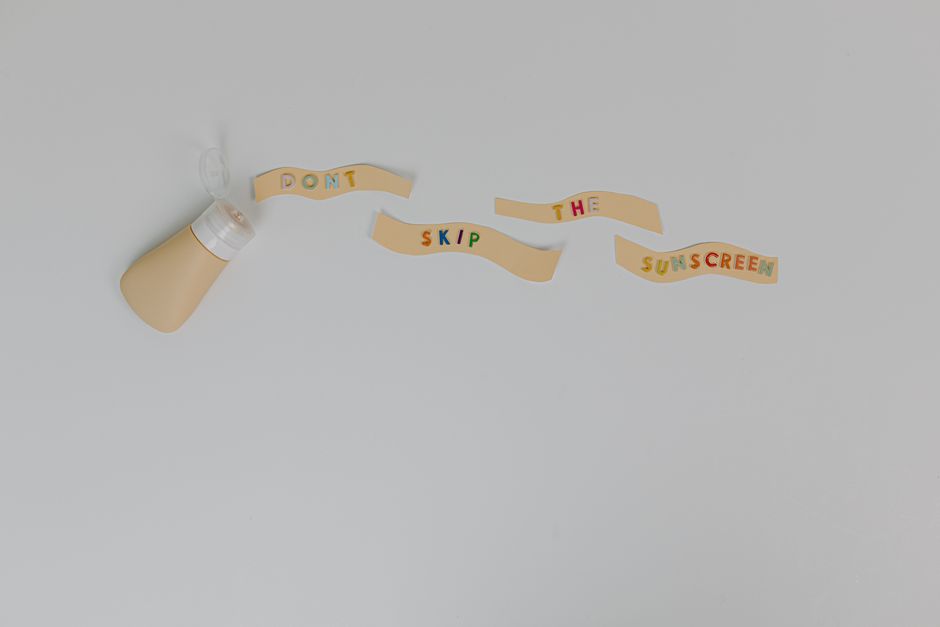
Sunburn feels like your skin is on fire. The redness, the heat, the pain when anything touches it. You want it gone fast. The honest answer is that you cannot reverse the damage already done to your skin cells. What you can do is reduce the pain, speed up healing, and prevent further injury. This guide covers what actually works based on evidence, not internet rumors.
What Exactly Happens to Your Skin During a Sunburn?
Sunburn is a radiation burn. Ultraviolet (UV) light from the sun damages the DNA in your skin cells. Your body responds by flooding the area with blood to repair the damage, which causes the redness and heat you feel. The pain comes from inflammation and the death of damaged skin cells.
The redness peaks 12 to 24 hours after exposure. The worst pain usually hits around 24 hours later. Peeling happens days after because your body is shedding dead cells to make room for new ones. This is not a sign of healing — it is cleanup.
Research from the Skin Cancer Foundation shows that just one blistering sunburn in childhood or adolescence doubles your lifetime risk of melanoma. That is a serious fact worth remembering next time you skip the sunscreen.
Does How To Rid Of Sunburn with Cold Water Work?
Cold water is one of the most effective first steps. A cool bath or shower pulls heat out of the skin and constricts blood vessels, which reduces swelling and pain. The American Academy of Dermatology recommends cool compresses or a cool bath for 10 to 15 minutes several times a day.
Do not use ice directly on burned skin. Ice can cause frostbite on already damaged tissue. That adds a second injury on top of the first. Cool water only. If the water feels uncomfortably cold to your hands, it is too cold for your sunburn.
Pat your skin dry afterward. Rubbing will peel off damaged skin cells before they are ready to come off, which increases pain and risk of infection.
What Moisturizers Actually Help a Sunburn?
Aloe vera has the strongest evidence behind it. A 2019 review in the journal Burns & Trauma found that aloe vera significantly reduced healing time for first and second-degree burns compared to standard treatments. It also reduces pain and inflammation. Look for a gel with high aloe content, not a green-dyed lotion with minimal aloe.
Soy-based moisturizers also have some research support. A study published in the Journal of Drugs in Dermatology found that soy moisturizers helped reduce redness and inflammation from UV damage. They are gentler than heavy creams and less likely to trap heat.
Avoid petroleum jelly, baby oil, or any thick ointment on a fresh sunburn. These trap heat inside the skin and can make the burn worse. Light, water-based moisturizers are best. Apply them while your skin is still damp from the cool bath to lock in moisture.
| Ingredient | What It Does | Evidence Level |
|---|---|---|
| Aloe vera | Cools skin, reduces inflammation, speeds healing | Strong — multiple clinical studies |
| Soy | Reduces redness and inflammation | Moderate — limited but positive studies |
| Oatmeal (colloidal) | Soothes itching and irritation | Moderate — well-known for eczema, less studied for sunburn |
| Cortisone cream (hydrocortisone) | Reduces inflammation and pain | Moderate — works best on mild burns, not severe ones |





Should You Take Pain Relievers for Sunburn?
Yes, and the timing matters. Nonsteroidal anti-inflammatory drugs (NSAIDs) like ibuprofen (Advil, Motrin) or naproxen (Aleve) reduce both pain and inflammation. A study in the Journal of the American Academy of Dermatology found that taking ibuprofen within the first 6 hours of sunburn reduced redness and pain more effectively than taking it later.
Acetaminophen (Tylenol) helps with pain but does not reduce inflammation. It is a reasonable option if you cannot take NSAIDs, but it will not help the redness or swelling as much.
Follow the dosing instructions on the bottle. Do not take more than recommended thinking it will work faster. NSAID overdose can damage your kidneys and stomach lining. Pain relief is real, but it is not worth trading one problem for another.
What About Vinegar, Yogurt, and Other Home Remedies?
This is where things get messy. Many home remedies are harmless at best and damaging at worst.
- Vinegar — Some people claim it balances skin pH. There is no clinical evidence it helps sunburn. Acetic acid can irritate already damaged skin and delay healing.
- Yogurt — The cooling sensation feels nice, but yogurt contains bacteria and proteins that can cause infection in broken or blistered skin. Not worth the risk.
- Baking soda paste — It may dry out blisters, but it also removes protective oils from the skin. This can increase peeling and irritation.
- Essential oils — Tea tree oil, lavender oil, and others are widely claimed to help burns. Strong evidence is lacking. Many essential oils are skin irritants, especially on damaged skin. Some people report benefits, but the data does not support recommending them.
Stick with what has evidence. Aloe vera, cool water, moisturizer, and pain relievers. The rest is mostly folklore.
When Should You See a Doctor for a Sunburn?
Most sunburns heal on their own within a week. Some need medical attention. Watch for these signs:
- Blisters covering more than 20% of your body
- Fever, chills, or nausea — these can indicate sun poisoning
- Signs of infection like pus, increasing redness, or red streaks
- Severe pain that does not improve with over-the-counter pain relievers
- Dizziness, confusion, or fainting — this can mean heat exhaustion or heat stroke
The CDC reports that over 33,000 sunburn-related emergency room visits occur in the United States each year. Severe sunburn is a real medical issue, not just a bad day at the beach. If you have any of these symptoms, see a doctor.
For blisters, leave them intact. Popping blisters opens the door to infection. If they break on their own, clean the area gently with mild soap and water, apply antibiotic ointment, and cover with a non-stick bandage.
How To Prevent Peeling After a Sunburn
Peeling is your body removing dead skin cells. You cannot stop it completely, but you can reduce how much and how long it lasts.
Keep the skin moisturized. Apply a gentle, fragrance-free moisturizer multiple times a day. This helps dead cells slough off gradually instead of in large, obvious flakes. Drink extra water. Sunburn pulls fluid to the skin surface and away from the rest of your body. Dehydration makes peeling worse.
Do not peel the skin yourself. Picking at peeling skin can cause scarring and infection. Let it fall off naturally. If it itches, a cool compress or an oatmeal bath can help. Antihistamines like diphenhydramine (Benadryl) can reduce itching, especially at night.
Some people report that vitamin E oil helps reduce scarring after peeling. The evidence is mixed. A 2015 review in Dermatologic Surgery found no clear benefit of vitamin E for scar prevention. It may help with moisture, but do not expect it to prevent scars.
Common Misconceptions About Sunburn Treatment
Several myths persist despite clear evidence against them.
Myth: Sunburn only happens when it is hot or sunny. UV rays penetrate clouds and reflect off snow, water, and sand. You can get sunburned on a cloudy day or in winter. The UV index, not the temperature, tells you the risk.
Myth: A base tan prevents sunburn. A tan is skin damage. It provides minimal protection, equivalent to about SPF 3 or 4. That is not enough to prevent burning. Tanning before a vacation does not protect you — it just adds more UV damage.
Myth: Once you peel, the burn is healed. Peeling means the damage has already happened and your body is removing dead cells. The underlying skin is still fragile and sensitive. Continue protecting it from sun exposure for several weeks.
Myth: Sunscreen is only for sunny days. UV rays are present every day, even when overcast. The Skin Cancer Foundation recommends daily sunscreen use on exposed skin, regardless of weather. This is not marketing hype. It is based on decades of dermatology research.
Frequently Asked Questions
How long does a sunburn usually last?
Most sunburns heal within 3 to 7 days. Severe burns with blistering can take up to 2 weeks.
Can you put ice directly on a sunburn?
No. Ice can cause frostbite on damaged skin. Use cool water or a cool compress instead.
Does drinking water help a sunburn heal faster?
Yes, staying hydrated helps your skin repair itself. Sunburn pulls fluid from your body, so extra water supports recovery.
Is it safe to pop sunburn blisters?
No. Leave blisters intact to prevent infection. If they break on their own, clean gently and cover with a bandage.
