

You cannot regrow lost tooth enamel or reverse receding gums on your own. What you can do is stop the damage from getting worse, rebuild the parts that can still be repaired, and get professional treatment for what has already been lost. That is what actually works.
Teeth and gums break down through two main processes. Tooth decay dissolves mineral from enamel and dentin. Gum disease destroys the tissue and bone that hold teeth in place. Both are largely preventable and both can be halted at most stages. Neither reverses on its own.
Understanding the difference between what can be repaired and what cannot is the first step. It saves people from wasting money on products that promise regrowth and helps them focus on the steps that genuinely protect what is left.
Can You Actually Regrow Tooth Enamel?
No. Enamel is the hard outer layer of your teeth, and once it is gone, your body cannot make more.
Enamel is formed by specialized cells called ameloblasts before a tooth erupts. Once the tooth is in your mouth, those cells are gone. That is why enamel loss is permanent. This is not a matter of debate in dental science. It is basic anatomy.
What can happen is remineralization. In the early stage of decay, before a cavity forms, minerals like calcium and phosphate can be redeposited into the enamel from your saliva and from fluoride. This can repair microscopic damage. But it cannot rebuild a physical hole in the tooth.
This distinction matters. Early enamel damage, sometimes called a “white spot lesion,” can sometimes be stopped or even partially repaired with fluoride and good oral care. A visible cavity cannot. Once decay reaches the dentin layer underneath the enamel, a filling is needed.
Products that claim to regrow enamel are not supported by clinical evidence. Some contain fluoride or calcium compounds that can help remineralize early damage. That is not the same as regrowth, and the marketing often blurs the two.
What Is Gum Disease and Can It Be Reversed?
Gingivitis, the early stage of gum disease, can be reversed. Periodontitis, the advanced stage, cannot be cured but can be managed and stopped from progressing.
Gum disease starts when plaque builds up along the gum line. Plaque is a sticky film of bacteria. Your immune system responds to those bacteria with inflammation. In gingivitis, the gums become red, swollen, and bleed easily. At this stage, the damage is limited to the gum tissue, and it can heal completely with good oral hygiene and professional cleaning.
If gingivitis is left untreated, it can progress to periodontitis. In periodontitis, the inflammation extends deeper. The tissue and bone that anchor teeth to the jaw begin to break down. Pockets form between the teeth and gums. Once bone is lost, it does not grow back on its own.
This is the part many people do not realize. Gum disease is the leading cause of tooth loss in adults. It is also largely painless in its early stages, which is why so many people do not know they have it until significant damage has occurred.
Periodontitis can be managed. Professional deep cleaning, called scaling and root planing, removes plaque and tartar from below the gum line. In some cases, surgery or other procedures are recommended. With ongoing maintenance, the disease can often be stopped from getting worse. The bone that is already lost usually stays lost.
What Daily Habits Actually Protect Teeth and Gums?
Daily plaque removal is the single most effective thing you can do at home. The evidence for this is strong and consistent.
Brushing twice a day with a fluoride toothpaste removes plaque and delivers fluoride to the tooth surface. Fluoride is the most well-established agent for preventing tooth decay. This is not controversial. It is supported by decades of research and is recommended by major dental and health organizations worldwide.
Here is what the evidence supports:
- Brush twice daily with fluoride toothpaste for about two minutes
- Clean between teeth once a day with floss or another interdental tool
- Use a soft-bristled brush and replace it when the bristles fray
- Avoid brushing right after acidic food or drink, which can soften enamel temporarily
- Limit sugary drinks and snacks, especially between meals
- Do not smoke or use tobacco, which is a major risk factor for gum disease
One point that gets overlooked: brushing alone does not clean between the teeth. Those surfaces are where gum disease and cavities often start. Flossing or using interdental brushes reaches areas a toothbrush cannot. The evidence on flossing is not as strong as the evidence on fluoride, but the anatomical reasoning is sound and most dental professionals recommend it.
Mouthwash can be a useful addition, but it is not a substitute for brushing and flossing. Some mouthwashes contain fluoride. Some contain antibacterial agents. If you use one, choose based on what your dentist recommends for your situation.




What Professional Treatments Can Restore Teeth and Gums?
Dentistry cannot regrow what is lost, but it can replace, repair, and stabilize. This is where real restoration happens.
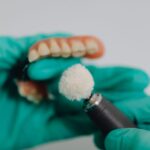
For teeth, treatment depends on how much damage exists. Early decay may be treated with a filling. More extensive damage may require a crown. A tooth that is badly decayed or infected may need a root canal, which removes the infected pulp and seals the tooth. A tooth that cannot be saved may be extracted and replaced with an implant, bridge, or denture.
For gums, treatment depends on the stage of disease. Professional cleaning removes plaque and tartar above and below the gum line. Scaling and root planing goes deeper. In advanced cases, procedures like gum surgery, bone grafts, or tissue grafts may be recommended. These do not regrow lost bone in the way people imagine. They can stabilize the area and support remaining teeth.
Some clinicians also use laser therapy as part of periodontal treatment. The evidence for lasers compared with traditional methods is mixed, and results vary. It is best discussed with a periodontist who can explain what is known and what is not.
One non-obvious point: the goal of most gum treatment is not to make gums look like they did at twenty. It is to stop the disease and keep your teeth. That is a realistic and achievable outcome.
What About Receding Gums and Sensitive Teeth?
Gum recession is common and usually permanent. The gum tissue does not grow back on its own.
Recession happens when the gum pulls away from the tooth, exposing the root. Causes include gum disease, aggressive brushing, grinding, and natural aging. Exposed roots often feel sensitive because the root surface is softer and more porous than enamel.
For mild recession, treatment focuses on stopping the cause. A softer brush and gentler technique can help. So can treating any underlying gum disease. For more significant recession, a gum graft may be an option. In a graft, tissue is taken from the roof of the mouth or another source and attached to the receded area. This can cover the exposed root and reduce sensitivity. It does not restore the gum to its original position in every case, and results depend on the individual situation.
For sensitivity, desensitizing toothpastes can help. They work by blocking signals from the tooth surface to the nerve. Fluoride varnish applied by a dentist can also reduce sensitivity. These approaches manage the symptom. They do not regrow gum tissue.
Which Products and Claims Should You Be Skeptical Of?
Many products sold for “tooth and gum restoration” are not supported by clinical evidence. Knowing what to look for helps you avoid wasting money.
Be cautious with:
- Products claiming to regrow enamel or reverse cavities
- Powders or pastes claiming to rebuild gums
- Oil pulling promoted as a treatment for gum disease
- Any product claiming to replace professional dental care
Oil pulling, which involves swishing oil in the mouth, has been studied. Some small studies suggest it may reduce plaque or bacteria to a degree. The evidence is limited and not strong enough to recommend it as a treatment for gum disease. It is not a substitute for brushing, flossing, or professional care.
Fluoride toothpaste is different. Its benefits for preventing cavities are well established. Stannous fluoride toothpastes have also been shown to help with gingivitis and sensitivity in some studies. These are legitimate uses supported by evidence.
The pattern to notice: products that prevent problems tend to have real evidence behind them. Products that claim to reverse damage that the body cannot repair tend to have none.
When Should You See a Dentist?
See a dentist if your gums bleed when you brush or floss, if they are red or swollen, if they have pulled away from your teeth, if you have persistent bad breath, or if your teeth feel loose.
These are signs of gum disease. Early treatment is far simpler and less costly than treatment after significant bone loss. Gum disease often causes no pain until it is advanced, so waiting for pain is a mistake.
Routine checkups matter for the same reason. A dentist can find early decay and early gum disease before you notice anything. For most adults, a checkup and professional cleaning every six months is common practice, though the right interval depends on your individual risk. Some people need more frequent visits. Some need fewer. Your dentist can advise based on your history.
If you have not seen a dentist in years, that is a reason to go, not a reason to stay away. Even advanced gum disease can usually be managed. The sooner it is addressed, the more teeth you are likely to keep.
Frequently Asked Questions
Can teeth and gums be restored naturally?
No. Lost enamel and lost gum tissue do not grow back on their own. Good oral care can prevent further damage and support remineralization of very early enamel damage, but it cannot rebuild what is already gone.
What is the fastest way to heal gums?
There is no fast fix. Gingivitis can improve within a couple of weeks with consistent brushing, flossing, and a professional cleaning. Periodontitis requires professional treatment and ongoing maintenance, and it does not resolve on its own.
Can receding gums grow back?
Gum tissue does not regenerate on its own once it has receded. A gum graft procedure can cover exposed roots in some cases, but results vary and it does not restore the gum to its original position.
Does oil pulling restore teeth and gums?
No. Some small studies suggest oil pulling may reduce plaque or bacteria to a limited degree, but the evidence is not strong enough to recommend it as a treatment. It is not a substitute for brushing, flossing, or professional care.
