
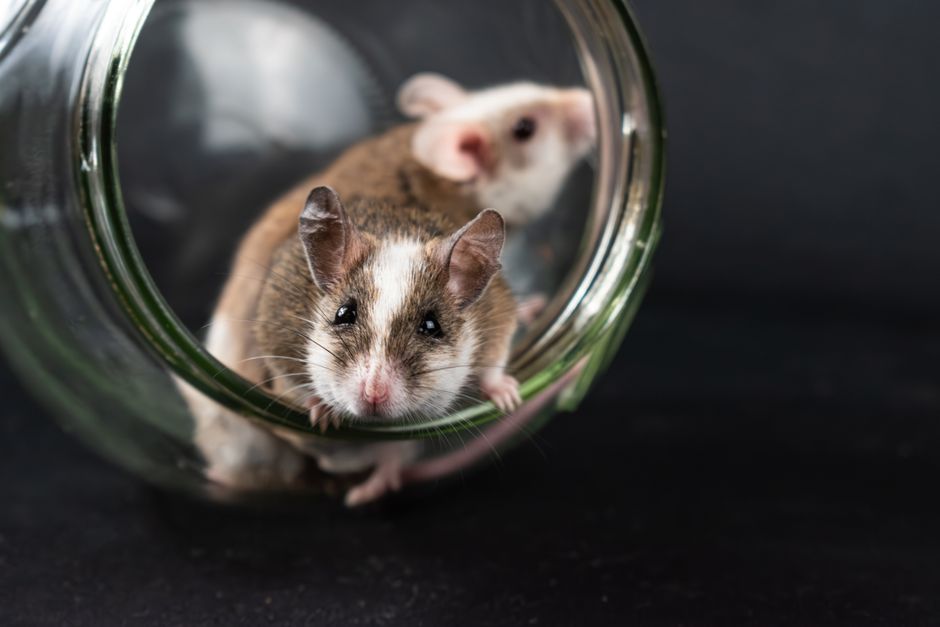
Field mice can get into your home through a hole the size of a dime. That is not an exaggeration. A mouse’s skull is small enough to squeeze through a gap that looks like nothing to you. Once they are inside, they chew wires, contaminate food, and leave droppings everywhere. The good news is that repelling them is straightforward if you use methods backed by evidence. The bad news is that many popular solutions sold online simply do not work. This article explains what actually keeps field mice out and what is a waste of your time and money.
What Attracts Field Mice to Your Home in the First Place?
Field mice are not picky. They come inside for three reasons: food, water, and shelter. If your home offers any of these, they will find a way in.
Food is the biggest draw. Birdseed stored in a garage, pet food left out overnight, crumbs under the refrigerator, and unsecured garbage bins are all open invitations. Even a small amount of spilled birdseed can support a family of mice for weeks. The CDC notes that mice are opportunistic feeders and will eat almost anything humans do, plus things we would not touch.
Water sources matter too. Leaky pipes under sinks, dripping outdoor faucets, and pet water bowls provide the hydration mice need. Shelter is the third piece. Mice look for warm, dark, quiet spaces. Wall voids, attics, basements, and cluttered storage areas are prime real estate. If you eliminate these three things, you remove the reason for mice to stay.
Does Ultrasonic Pest Repellers Work for Field Mice?
Ultrasonic repellents are small devices that plug into a wall and emit high-frequency sound. The marketing claims these sounds irritate mice and drive them away. Many people buy them because they seem easy and clean. No traps, no poisons, no mess.
Research published by the Federal Trade Commission and studies in the journal Pest Management Science have found that ultrasonic devices do not reliably repel mice. Mice can hear the sound, but they quickly get used to it. After a few days, they ignore it entirely. In controlled lab tests, mice did not avoid areas with ultrasonic sound. They simply went about their business.
The FTC has even taken action against companies making false claims about these devices. As of 2026, there is no clinical evidence that ultrasonic repellents provide long-term mouse control. If you already own one, it might give you peace of mind, but it will not solve an active infestation. Your money is better spent on exclusion and sanitation.
How To Repel Field Mice What Works And What Doesnt
The most effective way to repel field mice is to physically block them from entering. This is called exclusion. It is not glamorous, but it works. The National Pest Management Association states that exclusion is the foundation of rodent control.
Start by inspecting the outside of your home. Look for gaps around pipes, vents, utility lines, and the foundation. Mice can squeeze through a hole that is 1/4 inch wide. That is about the width of a pencil. Seal any gap larger than that with steel wool mixed with caulk. Steel wool is important because mice can chew through foam, plastic, and even some metals, but they cannot chew through steel wool.
Pay special attention to doors. Install door sweeps on exterior doors. The gap under a garage door is a common entry point. Use a rubber threshold seal to close it. Check where the roof meets the siding. Mice can climb brick and wood easily. Seal gaps at the eaves and around attic vents with hardware cloth.
One non-obvious insight: field mice are excellent climbers. They can run up vertical surfaces like brick, stucco, and wood. Do not assume they only enter at ground level. They will climb to a second-story roofline if there is a gap.
What does not work for exclusion? Expanding foam by itself. Mice chew through it in minutes. Always combine foam with steel wool or copper mesh. Also, caulk alone on large gaps is not enough. Use a backing material first.





What Natural Repellents Actually Deter Field Mice?
Many natural repellents are widely claimed to work. Peppermint oil is the most common one you will see online. People soak cotton balls in peppermint oil and place them where mice travel. The idea is that the strong smell overwhelms the mouse’s senses.
Some studies suggest that high concentrations of peppermint oil can deter mice in very small, enclosed spaces. However, the effect is short-lived. The oil evaporates quickly. To maintain any effect, you would need to reapply it daily, which is impractical for most homes. Research published in Journal of Economic Entomology found that peppermint oil was not effective as a long-term repellent in field settings.
Other natural repellents like mothballs, ammonia, and dryer sheets have even less evidence. Mothballs contain naphthalene, which can be harmful to humans and pets if inhaled in enclosed spaces. The EPA warns against using mothballs outdoors or for any purpose other than their labeled use. Ammonia smells like predator urine to some animals, but mice are not reliably deterred by it. Dryer sheets have no effect at all.
Some people report success with predator urine, like coyote or fox urine granules. Evidence indicates that these may cause temporary avoidance, but mice learn quickly that no predator is actually present. Within days, they return. The smell also fades rapidly outdoors.
The honest answer is that no natural repellent has strong scientific backing for keeping field mice out of a home. If you want to try peppermint oil, it will not hurt, but do not rely on it as your main defense. Exclusion and sanitation are what actually work.
What Is the Best Way to Remove Mice That Are Already Inside?
Once mice are inside, repelling them is not enough. You have to remove them. The most humane and effective method for small numbers is snap traps. They kill instantly if set correctly. The CDC and pest control professionals recommend snap traps over glue traps or poisons.
Glue traps are inhumane. Mice stuck on them can struggle for hours or days before dying from exhaustion or dehydration. Many states are considering bans on glue traps for this reason. Poisons, or rodenticides, pose a risk to pets, children, and wildlife. A poisoned mouse can die inside a wall, causing a foul odor that lasts for weeks. Also, owls, hawks, and snakes can die if they eat a poisoned mouse.
Snap traps are simple and effective. Place them along walls where mice travel. Mice do not like open spaces. They run next to walls for safety. Set the trap with the trigger against the wall. Use peanut butter as bait. It is sticky, smells strong, and mice love it. Check traps daily and dispose of dead mice immediately.
Here is a quick comparison of removal methods:
| Method | Effectiveness | Risks | Cost |
|---|---|---|---|
| Snap traps | High | Low | Low |
| Live traps | Moderate | Low (requires relocation) | Moderate |
| Glue traps | Low | High (inhumane) | Low |
| Rodenticides | High | High (pets, children, wildlife) | Moderate |
| Ultrasonic devices | None | None | Moderate |
Live traps are an option if you want to catch and release. However, research from the University of Nebraska-Lincoln shows that relocated mice often die quickly because they do not know where to find food or shelter in a new territory. If you use live traps, release the mouse at least one mile away from your home in a suitable habitat.
What Sanitation Habits Keep Field Mice Away Long-Term?
Exclusion blocks entry points. Removal gets rid of current mice. Sanitation prevents new mice from wanting to come in. You need all three for long-term control.
Store food in metal or thick plastic containers with tight lids. Cardboard boxes are not barriers. Mice chew through them easily. This includes pet food, birdseed, and livestock feed. Keep these containers in a garage or shed, not inside the living space.
Clean up crumbs and spills immediately. Sweep under appliances regularly. The American Veterinary Medical Association notes that even a small amount of spilled food can attract rodents. Take out trash daily and use bins with locking lids.
Outside your home, keep grass cut short. Remove woodpiles, debris, and tall weeds within 100 feet of your house. These provide cover for mice to approach undetected. Trim tree branches that touch the roof. Mice use branches as highways to reach your attic.
One thing many people miss: check your crawl space. A crawl space with standing water or high humidity is a perfect mouse habitat. Install a vapor barrier and ensure proper drainage. Fix any leaks promptly.
What does not work for sanitation? Leaving out mothballs or ultrasonic devices as a preventative. These give a false sense of security. The only reliable prevention is removing what mice want: food, water, and shelter.
Common Misconceptions About Repelling Field Mice
There are several viral myths about repelling field mice that have no scientific support. Knowing what is false saves you time and frustration.
Myth one: Cats solve mouse problems. While some cats do hunt mice, many domestic cats are not interested. Even a hunting cat cannot eliminate an entire infestation. Mice breed quickly and hide in places cats cannot reach. Relying on a cat alone will not work.
Myth two: Irish Spring soap repels mice. This is widely shared online. There is no evidence that soap has any effect on mice. People report success, but it is likely coincidence or placebo. Mice are not bothered by soap smell.
Myth three: Mice hate aluminum foil. Some people claim that layering foil in entry points deters mice. Mice can and do chew through aluminum foil. It is not a barrier. Use steel wool or copper mesh instead.
Myth four: Bleach kills mice. Bleach fumes can be harmful to humans and pets. It does not kill mice or repel them effectively. It can mask odors temporarily, but that is all.
Myth five: A clean house never gets mice. Mice do not care about cleanliness. They care about access. A spotless home with a dime-sized gap in the foundation will still get mice. Exclusion matters more than cleaning.
Frequently Asked Questions
Can field mice climb walls?
Yes, field mice are excellent climbers. They can scale brick, wood, stucco, and even pipes to reach upper levels of a home.
Does peppermint oil really repel mice?
Some studies suggest it works temporarily in very small spaces, but it evaporates quickly and is not a reliable long-term solution for homes.
How small of a hole can a field mouse fit through?
A field mouse can squeeze through a hole that is 1/4 inch wide, which is about the width of a pencil.
Are glue traps humane for mice?
No, glue traps cause prolonged suffering and are considered inhumane by the CDC and many animal welfare organizations.
