
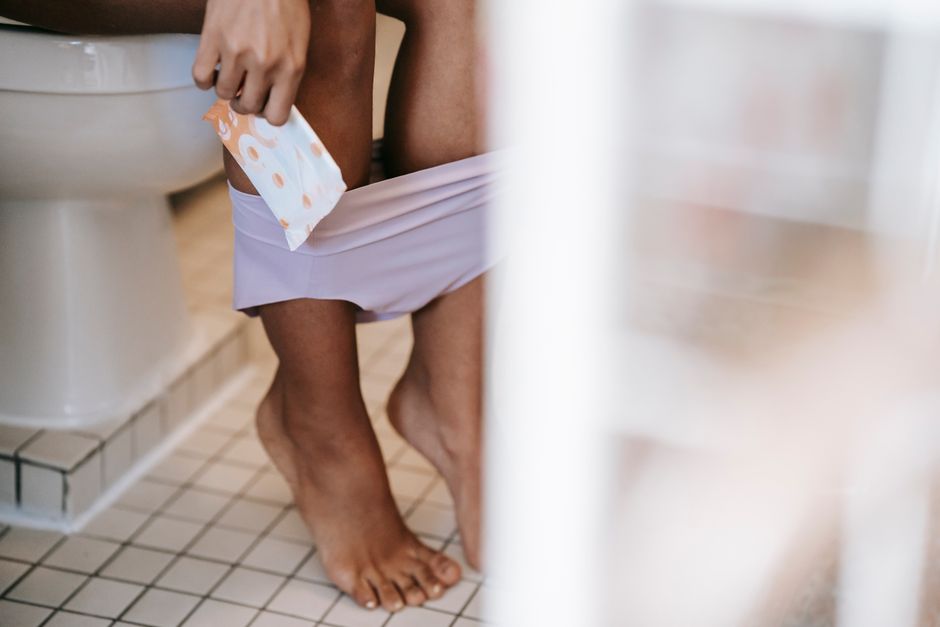
Constipation is miserable. You feel bloated, uncomfortable, and stuck. The short answer to what actually works is a combination of osmotic laxatives like polyethylene glycol (Miralax), positioning your body correctly on the toilet, and increasing soluble fiber slowly. These three things have the best evidence behind them. Let’s look at what the research actually says and what is mostly hype.
What Causes Constipation in the First Place?
Constipation happens when stool moves too slowly through your colon. The colon absorbs too much water, leaving the stool hard and dry. This is not a disease for most people. It is a symptom of something else.
Common causes include low fiber intake, not drinking enough water, and ignoring the urge to go. Some medications cause it. Iron supplements, certain blood pressure drugs, and painkillers with codeine are common culprits. The CDC reports that about 16 percent of US adults deal with constipation. For people over 60, that number climbs closer to 33 percent.
Your diet matters more than most people think. The typical US diet has about 15 grams of fiber per day. The recommended amount is 25 to 38 grams. That gap alone explains a lot of the problem. Low physical activity also slows gut transit time. If you sit most of the day, your colon sits too.
Does How To Poop While Constipated What Actually Works Include Fiber?
Fiber is the first thing people try. It helps, but not all fiber is the same. There are two types: soluble and insoluble. Soluble fiber dissolves in water and forms a gel. Insoluble fiber adds bulk. Both matter, but soluble fiber is more effective for constipation.
Psyllium husk is the best studied soluble fiber supplement. Research published in the American Journal of Gastroenterology found that psyllium improved stool frequency and consistency better than placebo. It works by holding water in the stool, making it softer and easier to pass.
Here is the catch. Fiber only works if you drink enough water. Without water, fiber can make constipation worse. It turns into a dry plug instead of a soft gel. If you add fiber, add water at the same time. Start with a low dose and increase over a week. Jumping straight to the full dose causes gas and bloating.
Food sources of soluble fiber include oats, barley, apples, carrots, and beans. These are better than supplements for most people because they come with other nutrients. But if you cannot get enough from food, a psyllium supplement is a reasonable option.
What Do Osmotic Laxatives Actually Do?
Osmotic laxatives are the most effective over-the-counter option for occasional constipation. They work by drawing water into the colon. This softens the stool and stimulates a bowel movement without irritating the intestinal lining.
Polyethylene glycol, sold as Miralax, is the best studied osmotic laxative. Clinical trials show it produces a bowel movement within 24 to 48 hours in most people. It is not absorbed by the body. It passes through and pulls water with it. The American College of Gastroenterology recommends it as a first-line treatment for chronic constipation.
Lactulose is another osmotic laxative. It works similarly but can cause more gas and bloating. Milk of magnesia is also osmotic but contains magnesium. Too much magnesium can be dangerous for people with kidney problems. Stick with polyethylene glycol unless you have a specific reason not to.
These are not habit-forming when used occasionally. The myth that laxatives cause dependence comes from stimulant laxatives like senna or bisacodyl. Osmotic laxatives do not stimulate the nerves in the colon. They just change the water balance. Use them for a few days to break the cycle, then focus on diet and habits.




What Is the Best Position to Poop?
Your body position on the toilet matters more than most people realize. The human colon has a natural bend where it meets the rectum. Sitting on a standard toilet at a 90-degree angle puts a kink in that bend. Straightening that kink makes passing stool easier.
The ideal position is a squat. Your thighs should be above parallel to the ground. This straightens the anorectal angle and relaxes the puborectalis muscle. Research using X-ray imaging shows that squatting reduces the amount of strain needed to empty the bowel.
You do not need to buy a special toilet. A small footstool works. Place your feet on the stool so your knees are higher than your hips. Lean forward slightly with a straight back. Rest your elbows on your knees. This position mimics a squat without requiring balance or flexibility.
Do not push or strain. Straining increases pressure in the rectum and can cause hemorrhoids or anal fissures. Instead, take a deep breath, relax your pelvic floor, and let gravity and the position do the work. If nothing happens after a few minutes, get up and try again later. Forcing it makes things worse.
What Should You Avoid When Constipated?
Some common remedies do more harm than good. Enemas and suppositories are effective but should be reserved for severe cases. They can irritate the rectal lining and cause dependency if used regularly. They are not a first-line treatment.
Stimulant laxatives like senna or bisacodyl work by triggering muscle contractions in the colon. They are effective for acute constipation but should not be used for more than a week. Long-term use can lead to a condition called “lazy colon,” where the colon stops contracting on its own. This is where the myth about all laxatives being dangerous comes from. Osmotic laxatives do not cause this problem.
Castor oil is an old remedy that some people still use. It works but causes cramping and dehydration. There is no advantage over safer options like polyethylene glycol. Avoid it.
Probiotics are widely promoted for constipation, but the evidence is weak. Some studies suggest certain strains like Bifidobacterium lactis may help, but results are inconsistent. Do not expect a quick fix from probiotics. They are not a substitute for fiber, water, and osmotic laxatives.
Comparison of Common Constipation Remedies
| Remedy | How It Works | Onset Time | Best For |
|---|---|---|---|
| Psyllium fiber | Holds water in stool | 12-72 hours | Mild, ongoing constipation |
| Polyethylene glycol | Draws water into colon | 24-48 hours | Occasional or chronic constipation |
| Stool softener (docusate) | Mixes water into stool | 24-72 hours | Prevention after surgery or childbirth |
| Stimulant laxative (senna) | Triggers colon contractions | 6-12 hours | Acute, severe constipation (short-term only) |
| Squatting position | Straightens rectal angle | Immediate | Difficulty passing stool despite soft stool |
When Should You See a Doctor?
Most constipation resolves with diet changes and occasional laxative use. But some situations require medical attention. If you have not had a bowel movement in more than five days despite trying home remedies, see a doctor. This can indicate a blockage or a more serious underlying condition.
Blood in the stool, unexplained weight loss, or severe abdominal pain are red flags. Constipation that alternates with diarrhea can be a sign of irritable bowel syndrome or, in rare cases, colon cancer. If you are over 50 and have never had a colonoscopy, constipation is a good reason to schedule one.
Chronic constipation that does not respond to fiber and osmotic laxatives may require prescription medication. Drugs like linaclotide or lubiprostone work by increasing fluid secretion in the colon. These are not available over the counter and require a doctor’s evaluation.
Do not ignore constipation that lasts for weeks. It is not normal to strain every day or feel like you never fully empty. The longer you wait, the harder the stool becomes and the harder it is to fix.
Common Misconceptions About Constipation
One of the most persistent myths is that you need to have a bowel movement every day. Normal frequency ranges from three times per day to three times per week. What matters is consistency and ease, not frequency. If you go every other day and it is soft and easy, that is fine.
Another myth is that coffee is a reliable laxative. Coffee does stimulate the colon in some people, but it also dehydrates you. Caffeine is a mild diuretic. If you drink coffee for constipation, drink extra water to compensate. Otherwise, you might make the problem worse.
Prune juice is often recommended, and it does work. Prunes contain sorbitol, a natural sugar alcohol that draws water into the colon. But prune juice has less fiber than whole prunes. Whole prunes are more effective for the same calories. Three to four prunes per day is a reasonable starting dose.
Exercise is frequently claimed to cure constipation. The evidence is mixed. Some studies show that moderate exercise like walking for 30 minutes per day improves transit time. Other studies show no effect. Exercise is good for overall health, but do not rely on it as a standalone treatment for constipation. It works best when combined with fiber and hydration.
Frequently Asked Questions
How long can you safely go without pooping?
Three days without a bowel movement is generally safe for most people. After five days, you should see a doctor if home remedies have not worked.
Does drinking more water help constipation?
Yes, but only if you are already dehydrated. Drinking extra water beyond normal hydration does not soften stool unless you are also eating enough fiber.
Can stress cause constipation?
Yes. Stress activates the sympathetic nervous system, which slows digestion and reduces bowel movements. This is sometimes called “fight or flight” constipation.
Is it safe to use Miralax every day?
Yes, for most people. Polyethylene glycol is not absorbed and does not cause dependency. Long-term use should be discussed with a doctor if it continues for more than two weeks.
