
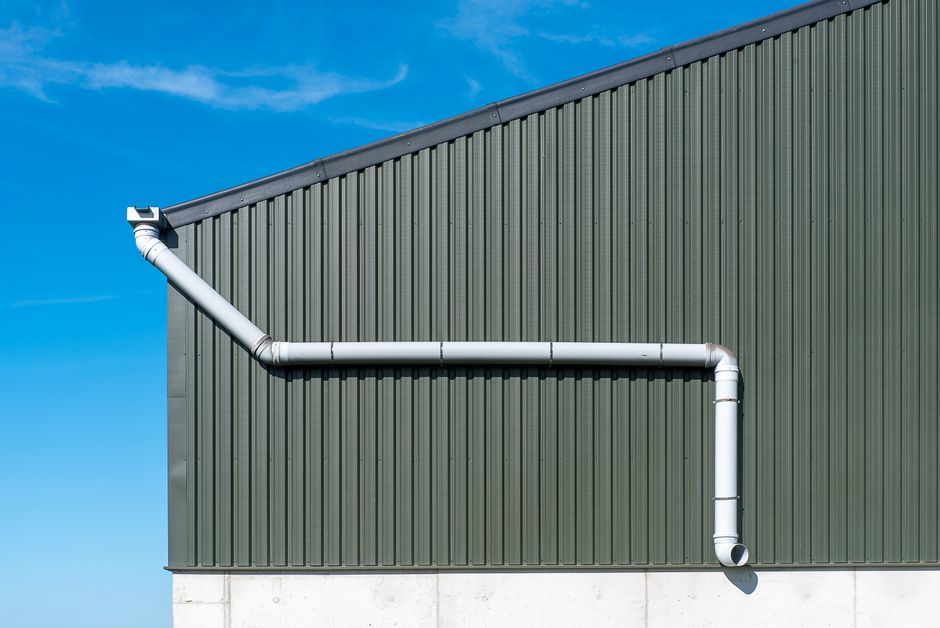
Galvanized steel is coated with zinc to keep it from rusting. If you want to weld it, paint it, plate it, or just get back to the bare metal underneath, you have to strip that coating off first. The zinc layer is thin — usually just a few thousandths of an inch — but it will not come off with soap and water or a light sanding.
Removing zinc coating from galvanized steel means stripping away the outer zinc layer using one of four methods: chemical etching with an acid, mechanical abrasion with a grinder or sandpaper, electrolytic removal in a conductive bath, or heating the metal to burn the coating off. The right choice depends on how much steel you are working with, what tools you have, and whether fumes or waste are a concern.
This article covers each method, the safety risks that come with them, and why the zinc itself is more dangerous than most people realize.
Why Would You Need To Remove Zinc Coating From Galvanized Steel?
Zinc coating protects steel by sacrificing itself. When moisture and oxygen reach the surface, the zinc corrodes first, forming a barrier that keeps the iron underneath intact. That is useful until you need to do something to the steel that zinc interferes with.
The most common reason is welding. Zinc boils at about 1,665°F (907°C), well below the melting point of steel. When you weld galvanized metal, the zinc vaporizes and releases zinc oxide fumes. Breathing those fumes can cause metal fume fever — a flu-like illness with chills, fever, muscle aches, and a metallic taste in the mouth that typically appears a few hours after exposure. The coating must be removed from the weld zone before you strike an arc.
Painting is another reason. Paint does not bond well to a smooth, freshly galvanized surface. Zinc forms its own oxide layer over time, and paint applied to it can flake or peel. Removing the coating gives paint bare steel to grip.
Other reasons include preparing steel for electroplating, soldering, or brazing, where a different metal needs direct contact with the iron. Some people also strip galvanized sheet for art or fabrication projects where the zinc interferes with the finish.
What Safety Precautions Do You Need Before You Start?
Zinc is not harmless. The coating itself is not the main danger — it is what happens when you heat, grind, or dissolve it. Every method below produces either toxic fumes, fine dust, or hazardous waste.
Before you touch the metal, set up the following:
- Respiratory protection. A fit-tested respirator rated for metal fumes and dust. For welding or heating zinc, you need a fume-rated cartridge or supplied air. A basic dust mask is not enough for zinc oxide fumes.
- Eye protection. Safety glasses at minimum. A face shield if you are grinding or using acid.
- Skin protection. Chemical-resistant gloves for acid work. Leather gloves for grinding.
- Ventilation. Outdoors or in a space with strong cross-ventilation and a fume extractor. Never work with acid or heat on galvanized steel in a closed garage.
- Fire safety. Keep a fire extinguisher nearby for any heat or grinding work.
If you are pregnant, have a respiratory condition like asthma or COPD, or have known zinc sensitivity, do not do this work yourself. Zinc oxide fume exposure is a recognized occupational hazard, and the people most affected are welders who work with galvanized steel regularly without adequate ventilation.
How Do You Remove Zinc Coating With Acid?
Acid dissolves zinc without attacking the steel underneath, as long as you use the right acid and do not leave the metal in too long. The most common choice is muriatic acid, also called hydrochloric acid, sold at hardware stores for pool and masonry work.
The process is straightforward. Dilute the acid according to the product instructions — never add water to acid, always add acid to water. Submerge the galvanized part in a plastic or glass container. The acid will bubble as it reacts with the zinc. When the bubbling stops, the zinc is gone. Pull the part out, rinse it thoroughly with clean water, and dry it immediately to prevent flash rust.
Several things can go wrong. If you leave the steel in too long, the acid starts eating the iron and pits the surface. If you use the wrong container, the acid eats through it. If you work indoors without ventilation, the fumes irritate your lungs and eyes. And when the acid is spent, you cannot pour it down the drain — it now contains dissolved zinc and must be disposed of as hazardous waste according to your local regulations.
Vinegar and other weak household acids can remove light zinc oxidation, but they will not strip a full galvanized coating in any reasonable amount of time. Do not expect household vinegar to do the job.




Can You Grind Or Sand The Zinc Off?
Yes, and for small areas this is often the fastest method. An angle grinder with a flap disc, or a belt sander with coarse grit, will take the zinc layer down to bare steel quickly.
The catch is dust. Grinding galvanized steel produces fine zinc particles that you will breathe unless you are protected. You also need to watch the heat. Grinding generates friction, and if the metal gets hot enough, the zinc starts to vaporize — which brings you back to the fume problem.
Work in short passes, let the metal cool, and keep your respirator on the whole time. Wire brushes and sandpaper work for small spots but are slow on larger surfaces. Whatever you use, the goal is to get down to bright, shiny steel with no gray zinc residue left behind.
A magnetic trick helps here. Zinc is not magnetic, but steel is. If a magnet sticks firmly to the surface, you have reached bare steel. If it feels weak or slides, there is still coating left.
What Is Electrolytic Removal And When Is It Worth Using?
Electrolytic removal uses electricity to pull the zinc off the steel. You set up a bath of conductive solution — usually washing soda dissolved in water — place the galvanized part as one electrode, add a sacrificial metal piece as the other, and run a low-voltage DC current through it. The zinc migrates off the steel and deposits on the other electrode.
This method is slower than acid or grinding, but it produces no toxic fumes and no airborne dust. It is popular with people restoring old tools or parts who want to preserve the surface finish and avoid harsh chemicals. The setup takes more time than the other methods, and you need a DC power supply, but the process itself is clean.
It is not a fast method for large pieces. For a small bracket or a hand tool, it works well. For a full sheet of galvanized steel, you would be there a long time.
Does Heating The Steel Burn Off The Zinc?
Heating galvanized steel above the boiling point of zinc — about 1,665°F (907°C) — will vaporize the coating. This happens naturally when you weld it, which is exactly the problem. Deliberately heating the whole part to burn off the zinc is possible, but it is the most dangerous method on this list.
The zinc does not disappear. It becomes zinc oxide fume in the air around you. Inhaling that fume is what causes metal fume fever, and at high concentrations it can cause more serious respiratory injury. This method should only be done with industrial fume extraction and supplied-air respiratory protection. For a home workshop, it is not a reasonable option.
If you must weld galvanized steel and cannot remove the coating mechanically, at minimum grind the zinc off the weld zone and several inches around it, and weld with strong ventilation and fume protection.
Which Method Should You Choose?
| Method | Best For | Main Risk |
|---|---|---|
| Acid etching | Small parts that fit in a container | Chemical burns, fumes, hazardous waste |
| Grinding or sanding | Small to medium areas, weld prep | Zinc dust, sparks, heat |
| Electrolytic | Small parts, finish-sensitive work | Low — mostly setup time |
| Heating | Not recommended for home use | Toxic zinc oxide fumes |
For most home projects, grinding is the practical choice for small areas and acid is the choice for parts you can fully submerge. Electrolytic removal is the safest but slowest. Heating is best left to industrial settings with proper controls.
Whatever you pick, the zinc has to go somewhere — into the air, into the acid bath, or onto the floor as dust. Handling that waste safely is part of the job, not an afterthought.
Frequently Asked Questions
Can you remove zinc coating from galvanized steel with vinegar?
Vinegar can remove light zinc oxidation but will not strip a full galvanized coating in a practical amount of time. Use a stronger acid or a mechanical method for full removal.
Is it safe to weld galvanized steel without removing the zinc?
No. Welding galvanized steel releases zinc oxide fumes that can cause metal fume fever and, at high exposure, more serious lung injury. The coating should be removed from the weld zone and several inches around it before welding.
How do you know when all the zinc is gone?
Bare steel is bright and shiny, and a magnet will stick firmly to it. Zinc is not magnetic, so a weak or sliding magnet means coating is still present.
What do you do with the waste from stripping zinc?
Spent acid baths and zinc-bearing sludge are hazardous waste and must be disposed of according to local regulations. Never pour them down a drain or onto the ground.
