
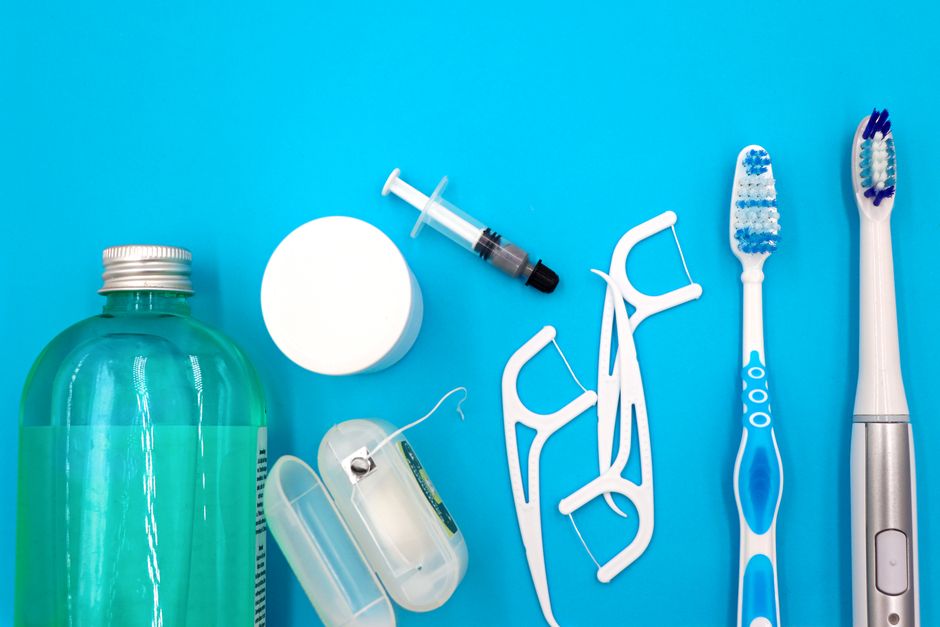
You can remove soft, newly formed plaque at home with thorough brushing and flossing. Plaque is a sticky film of bacteria that builds up on teeth every day, and it is soft enough to scrape off with a toothbrush and dental floss before it hardens. Once plaque hardens into tartar, no home method can remove it — that requires a dental professional with specialized instruments.
What Is The Difference Between Plaque And Tartar?
Plaque and tartar are the same substance at different stages. Plaque is a soft, colorless film that forms continuously on teeth. It contains bacteria, food particles, and saliva proteins. You can feel it as a fuzzy coating when you run your tongue across your teeth after a few hours without brushing.
If plaque stays on teeth long enough, minerals in your saliva harden it into tartar, also called calculus. This process can begin within 24 to 72 hours, though the exact timing varies from person to person. Tartar is hard, porous, and firmly bonded to the tooth surface. It typically appears yellow or brown and forms most often along the gumline and between teeth.
The critical difference is removability. Plaque yields to brushing and flossing. Tartar does not. No toothbrush, floss, mouthwash, or home remedy can remove tartar once it has formed. Only a dentist or dental hygienist can remove it using scaling and polishing instruments.
This distinction matters because many viral home remedies claim to “remove tartar” or “dissolve plaque.” Those claims are inaccurate. What these methods may do is help remove soft plaque before it hardens — which is genuinely useful, but it is not the same as removing tartar.
How To Remove Tooth Plaque At Home Without A Dentist
The most effective home approach combines mechanical disruption with consistent daily practice. Plaque is soft, so the goal is to physically break it up and sweep it away before it mineralizes.
Brushing Technique
Brushing is the foundation. Use a soft-bristled toothbrush and fluoride toothpaste. Hold the brush at a 45-degree angle toward the gumline. Use short, gentle strokes in a back-and-forth motion. Cover every surface: outer, inner, and chewing surfaces of all teeth.
Spend at least two minutes brushing. Most people brush for far less. Setting a timer or using an electric toothbrush with a built-in timer can help. Electric toothbrushes may remove more plaque than manual brushing, particularly for people who have difficulty with technique or dexterity.
Replace your toothbrush every three to four months, or sooner if the bristles look frayed. Worn bristles do not clean effectively.
Flossing
Flossing removes plaque from between teeth and under the gumline — areas a toothbrush cannot reach. Use about 18 inches of floss. Wind most of it around your middle fingers, leaving an inch or two to work with. Slide the floss gently between each tooth, curve it into a C-shape against one tooth, and slide it up and down. Repeat on the other side of the gap. Use a fresh section of floss for each tooth.
If traditional floss is difficult, interdental brushes, water flossers, or floss picks can be alternatives. Some evidence suggests water flossers can reduce plaque and gingivitis, though traditional floss remains the standard recommendation for cleaning tight spaces between teeth.
Mouthwash
Antibacterial mouthwash can reduce plaque bacteria, but it does not remove plaque that is already stuck to teeth. Think of it as a supplement to brushing and flossing, not a replacement. Look for mouthwash that carries the American Dental Association (ADA) Seal of Acceptance. Some rinses contain ingredients like chlorhexidine or essential oils that have been studied for plaque reduction, but they are not a substitute for mechanical cleaning.
Other Home Practices
Some people use baking soda as a mild abrasive to help scrub plaque. Research suggests baking soda toothpaste can reduce plaque somewhat compared to non-baking-soda toothpaste, though the effect is modest. It should not replace fluoride toothpaste, which protects against tooth decay.
Oil pulling — swishing coconut or sesame oil in the mouth for several minutes — is a traditional practice that some studies have examined for plaque and gum health. The evidence is limited and mixed. Some small studies suggest it may reduce plaque, but the quality of evidence is not strong enough to recommend it as a primary method. It is not harmful for most people, but it should not replace brushing and flossing.
There is no evidence that chewing certain foods, eating specific spices, or using homemade pastes can remove tartar. Any product or routine claiming to “dissolve” tartar at home is not supported by clinical evidence.
Which Home Methods Actually Work And Which Do Not?
It helps to separate methods with real evidence from those that are mostly marketing or folklore.
| Method | Removes Soft Plaque? | Removes Tartar? | Evidence Level |
|---|---|---|---|
| Brushing with fluoride toothpaste | Yes | No | Strong |
| Flossing or interdental cleaning | Yes | No | Strong |
| Antibacterial mouthwash | Reduces bacteria, does not remove plaque | No | Moderate |
| Baking soda toothpaste | Modestly | No | Moderate |
| Oil pulling | Possibly, weakly | No | Limited and mixed |
| Dental scaling at home (kits) | Not applicable | Can damage teeth and gums | Not recommended |
At-home tartar removal kits sold online typically include metal picks or scalers. These are the same type of instrument a dental professional uses, but using them without training carries real risk. You can scratch tooth enamel, injure gum tissue, or push bacteria deeper into the gums. The ADA does not recommend at-home tartar removal with dental instruments.



What Happens If Plaque Is Not Removed?
Plaque that stays on teeth triggers a predictable chain of problems. The bacteria in plaque produce acids that attack tooth enamel, leading to cavities. Plaque along the gumline causes gingivitis — gum inflammation that makes gums red, swollen, and prone to bleeding when you brush.
Gingivitis is reversible with good oral hygiene and professional cleaning. If it progresses, it can develop into periodontitis, a more serious infection that damages the bone supporting teeth. Periodontitis is not reversible and requires professional treatment. Over time, it can lead to tooth loss.
This progression is why daily plaque removal matters. It is not about cosmetics. It is about preventing a disease process that is much harder to treat once it advances.
How Often Should You Brush And Floss?
Dentists generally recommend brushing twice a day and flossing once a day. Brushing before bed is especially important because saliva flow drops during sleep, giving bacteria more opportunity to multiply.
Some people benefit from brushing after every meal, but brushing immediately after eating acidic foods or drinks can wear down enamel that has been temporarily softened. Waiting about 30 minutes is a reasonable precaution, though the evidence on optimal timing is not definitive.
Flossing once daily is sufficient for most people. The order — floss before or after brushing — does not appear to matter much. What matters is that you do it consistently.
When Should You See A Dentist?
You should see a dentist if you notice hard deposits on your teeth that will not come off with brushing. These are likely tartar and require professional removal. Other signs that warrant a visit include gums that bleed regularly, persistent bad breath, receding gums, loose teeth, or pain when chewing.
Even if you have no symptoms, regular dental checkups are recommended. Most dentists suggest a visit every six months, though the optimal frequency can vary based on your individual risk for cavities and gum disease. Some people with low risk may need less frequent visits; others with a history of gum disease may need more.
A professional cleaning removes both plaque and tartar from areas you cannot reach. It also allows your dentist to catch problems early, when they are easier and less expensive to treat.
Frequently Asked Questions
Can I remove tartar at home?
No. Tartar is hard and bonded to the tooth, so it cannot be removed with brushing, flossing, mouthwash, or home remedies. Only a dentist or dental hygienist can remove it safely with professional instruments.
Does baking soda remove plaque?
Baking soda toothpaste can modestly reduce plaque compared to toothpaste without it, according to some research. It does not remove tartar and should not replace fluoride toothpaste.
How fast does plaque turn into tartar?
Plaque can begin to harden into tartar within 24 to 72 hours, though timing varies by person. This is why daily brushing and flossing matter — you are removing plaque before it has a chance to mineralize.
Is oil pulling effective for plaque removal?
Some small studies suggest oil pulling may reduce plaque, but the evidence is limited and mixed. It is not a substitute for brushing and flossing, which have much stronger evidence behind them.
