
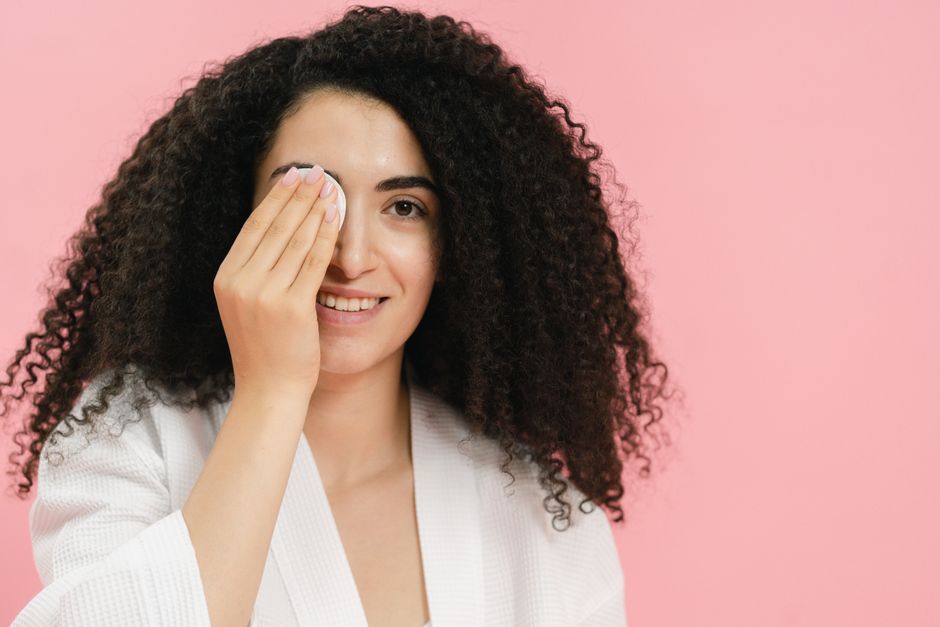
A stye is a small, red, painful bump on your eyelid caused by a bacterial infection in an oil gland. Most styes go away on their own within a few days to a week. The most effective and safest way to speed up healing is to apply a warm compress for 10-15 minutes, three to four times a day. This helps the clogged gland drain naturally. You should never try to pop or squeeze a stye, as this can spread the infection and make things worse.
What Exactly Is a Stye and What Causes It?
A stye, medically known as a hordeolum, is an infection of the oil glands at the base of your eyelashes. The culprit is almost always the bacterium Staphylococcus aureus. This bacteria lives harmlessly on many people’s skin, but when it gets trapped inside a gland, it causes an infection.
The gland becomes blocked, inflamed, and fills with pus. This creates the characteristic red, swollen, and tender bump. You might notice it on your upper or lower eyelid. It often looks like a pimple. The American Academy of Ophthalmology states that styes are very common and rarely serious.
Several factors can increase your risk. Touching your eyes with unwashed hands is a major one. Wearing old or contaminated eye makeup is another. Sleeping with eye makeup on, using expired products, and not cleaning contact lenses properly all create opportunities for bacteria to reach your eyelid glands. Stress and lack of sleep can also make you more susceptible.
There is a difference between an external stye and an internal stye. An external stye forms on the outside of the eyelid at the base of a lash. An internal stye forms on the inside of the eyelid against the eyeball. Internal styes can be more painful and take longer to heal.
How To Remove Stye: What Actually Works
The single most effective home treatment is the warm compress. Research published in clinical ophthalmology journals supports this as the first-line treatment. The heat helps liquefy the hardened oil blocking the gland. It also encourages the stye to come to a head and drain on its own.
To do it correctly, soak a clean washcloth in warm water. Wring it out so it is damp, not dripping. Hold it against your closed eyelid for 10 to 15 minutes. Do this three to four times a day. Re-wet the cloth with warm water as it cools. Do not use hot water. You want it warm enough to be comfortable, not scalding.
Gentle eyelid massage can help after the compress. Using a clean finger, gently massage the area around the stye in a circular motion. This can help push the clogged material toward the surface. Only do this if it is not too painful. If it hurts, stop.
Keeping the area clean is also essential. Use a clean, damp cloth to gently wipe away any crust or discharge. Wash your hands thoroughly before and after touching your eye. Some people find a warm tea bag works as a compress. Black tea contains tannins which have mild anti-inflammatory properties. The evidence for this is weak, but if you find it soothing, it is unlikely to cause harm.
| Treatment | How It Works | Evidence Level |
|---|---|---|
| Warm compress | Melts blocked oil, promotes drainage | Strong |
| Gentle eyelid massage | Helps move clogged material | Moderate |
| Tea bag compress | Provides warmth, possible mild anti-inflammatory effect | Weak |
| Antibiotic ointment | Fights bacterial infection | Moderate (prescription only) |
| Warm washcloth with baby shampoo | Cleans eyelid margins, removes debris | Moderate (for prevention) |
What Should You Absolutely Not Do?
Never squeeze or pop a stye. This is the most important rule. Squeezing can force the infection deeper into your eyelid or into your bloodstream. This can lead to a more serious condition called cellulitis or an orbital infection. The Mayo Clinic warns against this specifically.
Do not wear contact lenses until the stye is completely gone. Bacteria can transfer from the stye to your lens and back to your eye. This can cause a corneal infection or make the stye last longer. Switch to glasses until the bump has fully healed.
Avoid wearing eye makeup until the stye resolves. Mascara, eyeliner, and eyeshadow can introduce more bacteria to the area. They can also re-contaminate the gland. Throw away any eye makeup you used right before the stye appeared. This prevents reinfection later.
Do not rub your eye. Rubbing irritates the eyelid and can spread bacteria. It can also make the swelling worse. If your eye itches, use a clean, cool, damp cloth to gently pat the area.


When Should You See a Doctor?
Most styes resolve on their own within a week. You should see a doctor if the stye does not improve after a few days of warm compresses. The Cleveland Clinic recommends seeking medical attention if the stye gets larger, more painful, or starts to affect your vision.
Other signs that warrant a doctor visit include swelling that spreads to other parts of your face, redness that extends beyond the stye itself, or a fever. These could indicate the infection is spreading. A doctor can prescribe an antibiotic ointment or, in some cases, an oral antibiotic.
Sometimes a stye does not drain on its own and turns into a chalazion. A chalazion is a blocked oil gland that becomes a hard, painless lump. It is not an active infection, but it can be unsightly and uncomfortable. A doctor can drain a chalazion in the office with a simple procedure if it does not go away on its own.
If you get styes frequently, a doctor might recommend a more thorough eyelid hygiene routine. This can include using over-the-counter eyelid wipes or a prescribed eyelid scrub. Persistent or recurrent styes can sometimes be a sign of an underlying skin condition like blepharitis or rosacea.
How Can You Prevent Styes From Coming Back?
Good hand hygiene is your best defense. Wash your hands frequently, especially before touching your face or eyes. This simple habit reduces the transfer of bacteria to your eyelids significantly.
Practice good eye makeup hygiene. Replace mascara every three months. Replace eyeliner and eyeshadow every six months. Never share eye makeup with anyone. Always remove all eye makeup before sleeping. Sleeping in makeup is a direct path to clogged glands.
Clean your eyelid margins regularly if you are prone to styes. Use a warm, damp cloth or a dedicated eyelid scrub. Some people use a drop of baby shampoo diluted in warm water. Gently wipe along the base of your lashes each day. This keeps the oil glands clear.
- Wash hands before touching your eyes
- Replace eye makeup regularly
- Remove all eye makeup before bed
- Clean contact lenses properly
- Replace contact lens case every three months
- Manage dandruff if you have it, as it can contribute to eyelid inflammation
Managing underlying conditions also helps. If you have blepharitis, seborrheic dermatitis, or rosacea, treating those conditions can reduce your stye frequency. Talk to your dermatologist or eye doctor about a management plan.
Does Diet or Lifestyle Affect Styes?
Some people report that certain foods trigger styes, though strong clinical evidence is limited. Anecdotally, high-sugar diets and processed foods may increase inflammation in the body. This could theoretically make glands more prone to blockage. The connection is not proven in large studies.
Omega-3 fatty acids are known to reduce inflammation. Some evidence suggests they can improve the quality of oil produced by your eyelid glands. Foods rich in omega-3s include salmon, sardines, flaxseeds, and walnuts. A supplement is an option, but talk to your doctor first.
Hydration matters for overall gland function. When you are dehydrated, your body produces thicker secretions. This includes the oil in your eyelid glands. Drinking enough water throughout the day may help keep those glands flowing freely.
Stress is a known factor. High stress levels can weaken your immune system. A weaker immune system is less effective at fighting off bacterial infections. Managing stress through sleep, exercise, or relaxation techniques can indirectly help reduce stye frequency.
Frequently Asked Questions
How long does it take for a stye to go away?
Most styes resolve within 3 to 7 days with warm compress treatment. Some can take up to two weeks.
Can a stye make your whole eye swell?
Yes, a stye can cause significant swelling of the entire eyelid. This is common and usually not dangerous as long as the redness does not spread.
Is it safe to use over-the-counter stye ointments?
Some over-the-counter ointments are safe for symptom relief, but they are not as effective as prescription antibiotics. Consult a pharmacist or doctor before using them.
Can you get a stye from stress?
Stress does not directly cause styes, but it weakens your immune system. A weaker immune system makes you more vulnerable to bacterial infections like styes.
