
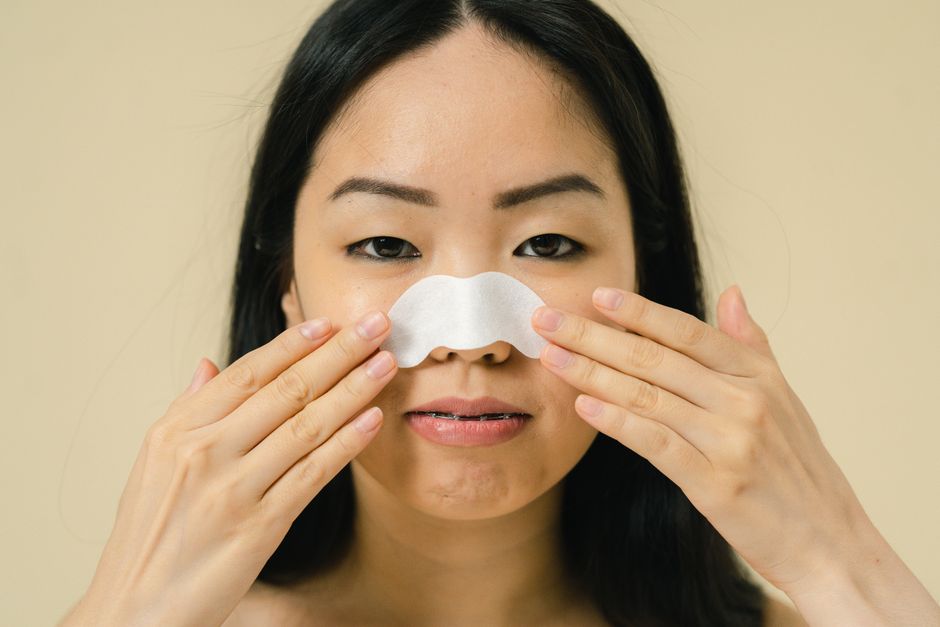
You cannot safely remove nasal polyps yourself. Nasal polyps are growths of the lining inside your nose and sinuses, and no home method — pulling, cutting, clipping, or applying any substance — removes them safely. Attempting it can cause serious bleeding, infection, and damage to structures near your sinuses and eyes. What you can do at home is manage symptoms and work with a doctor on treatment that actually shrinks or removes the polyps.
What Are Nasal Polyps, Exactly?
Nasal polyps are soft, painless, teardrop-shaped growths that form from the mucous membrane lining your nose and sinuses. They are not cancer. They are not a tumor in the usual sense. They are areas of swollen, inflamed tissue that have grown outward into a grape-like or teardrop shape.
Because they are soft and have no feeling, many people do not realize they have them until the polyps grow large enough to block airflow or drainage. They most often form where the sinuses drain into the nasal cavity, especially around the middle meatus — the space beneath the middle turbinate.
Polyps usually develop in both nostrils, not just one. A growth in only one nostril is more likely to be something else, and that difference matters. A one-sided nasal mass should always be checked by a doctor, because the list of possible causes is longer and includes conditions that need prompt attention.
Why You Cannot Remove Nasal Polyps Yourself
The tissue inside your nose is packed with blood vessels and sits close to your eyes, brain cavity, and major sinuses. There is no safe way to remove a polyp at home.
Consider what would actually be involved. To remove a polyp you would need to see it clearly, reach it, cut or pull it free, and control bleeding in a space you cannot fully see. None of that is possible with a mirror and household tools. Even clinicians use specialized instruments and often an endoscope to see what they are doing.
Here is what commonly goes wrong when people try:
- Severe nosebleeds that are hard to stop, because the nasal lining is rich in blood vessels.
- Infection, since open wounds in the nose are exposed to bacteria with every breath.
- Scarring that can make future treatment harder, not easier.
- Damage to nearby structures, including the septum that divides your nostrils.
- Removing the wrong tissue, since not every nasal lump is a polyp.
There is also a misunderstanding worth clearing up. Polyps are not like a skin tag you can tie off. They grow from inflamed tissue that extends into deeper layers of the lining. Pulling one off at the surface leaves the base behind, and it tends to grow back.
What Actually Shrinks Nasal Polyps?
Medical treatment can shrink polyps, and in many cases it works well. The mainstay is a class of prescription medication called intranasal corticosteroids — steroid sprays or drops delivered directly into the nose.
These medications reduce the inflammation that feeds polyp growth. Used consistently over weeks to months, they can shrink polyps and improve breathing and smell. This is well established. The key word is prescription and consistent — over-the-counter allergy sprays are not the same thing, and using them as a substitute is a common mistake.
For larger polyps or polyps that do not respond to sprays, doctors sometimes prescribe a short course of oral corticosteroids. These can shrink polyps quickly, but they are not for long-term use because of side effects affecting blood sugar, blood pressure, bone density, and more. This is a decision for a doctor, not a self-treatment.
When medication is not enough, surgery is an option. Endoscopic sinus surgery is done through the nostrils with a camera and small instruments. No external cuts are needed. Even after surgery, most people need to keep using nasal steroid treatment, because polyps can return.


What Can You Do At Home To Manage Symptoms?
You cannot remove polyps at home, but you can reduce the inflammation and irritation that make them worse. These steps support medical treatment — they do not replace it.
Saline nasal rinses. Rinsing your nose with saline solution clears mucus, allergens, and irritants. It can ease congestion and help prescription sprays reach the tissue. Use distilled, sterile, or previously boiled and cooled water only. Tap water is not safe for nasal rinsing — it can carry organisms that cause serious infections. This is a real risk, not a theoretical one.
Manage allergies and irritants. Allergic rhinitis, dust, smoke, and strong chemical odors all keep the nasal lining inflamed. Treating allergies with the guidance of a doctor and avoiding irritants can reduce that load.
Use a humidifier. Dry air irritates the nasal lining. Keeping indoor air moist may reduce discomfort, though it will not shrink polyps.
Follow your treatment plan. If a doctor prescribed a nasal steroid, consistency matters more than anything else. Sprays used occasionally rarely help. Sprays used daily as directed often do.
None of these steps remove a polyp. Be skeptical of anyone who says otherwise.
What Causes Nasal Polyps?
Polyps are not fully understood, but the pattern is clear: they form when the nasal lining stays inflamed for a long time. The inflammation causes fluid to build up in the tissue, and that tissue gradually grows outward.
Conditions linked to polyps include:
- Chronic rhinosinusitis, especially with nasal polyps as a subtype.
- Allergic rhinitis and other allergy-related conditions.
- Asthma, particularly in people who also have aspirin sensitivity.
- Cystic fibrosis, a genetic condition that affects mucus.
- Certain immune and inflammatory conditions.
Some people develop polyps with no clear trigger. Others have a strong family pattern, which suggests genetics play a role. Age matters too — polyps are more common in adults than children, and in children they raise the question of an underlying condition like cystic fibrosis.
When Should You See A Doctor?
See a doctor if you have ongoing nasal blockage, a reduced sense of smell, facial pressure, or a runny nose that does not improve over several weeks. These are the most common symptoms of polyps, but they overlap with many other conditions, so a proper exam matters.
See a doctor promptly if you notice:
- A growth in only one nostril.
- Nosebleeds that keep happening.
- Vision changes, eye swelling, or pain around the eye.
- Facial numbness or swelling.
- Difficulty breathing that is getting worse.
These signs do not automatically mean something serious, but they need to be checked. A doctor can look inside your nose, sometimes with a small camera, and tell you what is actually there. That is the only reliable way to know.
How To Remove Nasal Polyps Yourself: The Honest Answer
There is no safe do-it-yourself removal method. This is not a case where home remedies are simply less effective than medical care — they are genuinely unsafe.
What you can do yourself is this: keep the nasal lining calm with saline rinses using safe water, avoid irritants, treat allergies with a doctor’s help, and use any prescribed nasal steroid consistently. Then let a doctor assess whether you need medication changes or surgery.
If you are searching for a way to remove polyps yourself, the most useful thing you can do is book an appointment. Polyps are treatable. They are just not treatable at your bathroom sink.
Frequently Asked Questions
Can I remove a nasal polyp with tweezers?
No. Polyps are soft, bleed easily, and grow from deeper tissue, so removing one with tweezers can cause heavy bleeding, infection, and scarring. It also leaves the base behind, so it tends to grow back.
Do nasal polyps go away on their own?
Small polyps sometimes shrink with treatment, but they rarely disappear without it. Prescription nasal steroid sprays are the main treatment, and larger polyps may need surgery.
What happens if nasal polyps are left untreated?
They can keep growing and worsen nasal blockage, loss of smell, and sinus infections. Untreated polyps do not usually become cancer, but they can affect your quality of life and lead to complications like chronic sinusitis.
Can saline rinses shrink nasal polyps?
No. Saline rinses clear mucus and irritants and can ease symptoms, but they do not shrink polyps. They work best alongside prescription treatment, not instead of it.
