
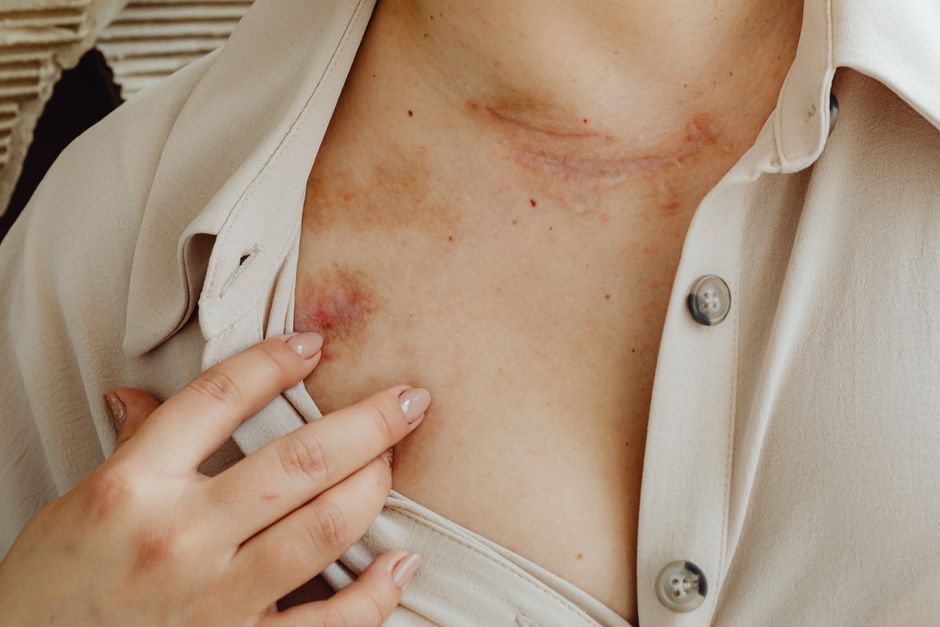
You can’t erase a scar completely with home remedies. No oil, cream, or kitchen ingredient removes scar tissue. What natural approaches can do is support how a wound heals, reduce redness and lumpiness over time, and keep a scar from becoming more noticeable.
The most honest thing to say up front: scar tissue is permanent by design. When skin is injured deeply enough, the body lays down collagen to close the gap fast. That replacement tissue looks and behaves differently from the skin it replaced. “Natural” methods can improve the appearance of a scar and sometimes soften it. They do not restore normal skin. Anyone promising otherwise is selling something.
What follows separates approaches with real evidence from folk remedies that persist mainly because they sound reasonable.
How To Remove Scars Naturally What Really Works
Nothing removes a scar. The goal is fading, flattening, and softening — and a few approaches have genuine evidence behind them.
Understanding why helps. A scar forms when injury reaches the deeper layer of skin called the dermis. The body repairs the damage with collagen, but the new fibers are laid down in a different pattern than normal skin. That difference is what you see and feel. Some scars stay flat and pale. Others become raised, red, and firm. A few keep growing beyond the original wound.
Because the collagen is structurally different, no topical product can convert scar tissue back into normal skin. What products and techniques can do is influence the healing process — especially early — and gradually change how a mature scar looks and feels.
The approaches with the most support:
- Silicone — in sheets or gels. This is the most studied non-invasive scar treatment. It appears to work by keeping the scar hydrated and regulating collagen. It’s used widely in clinical settings.
- Sunscreen — daily, on the scar, for months. This is one of the most underrated steps. UV exposure darkens scars and makes them more visible.
- Massage — gentle, regular pressure on a healed scar. Some studies suggest it helps soften and flatten scars, though results vary.
- Pressure — for raised scars and burns, consistent pressure from garments is a standard clinical approach.
Everything else — vitamin E, onion extract, coconut oil, lemon juice, aloe — falls into a weaker category. Some have modest evidence. Others have none, or can irritate the skin.
Does Vitamin E Oil Fade Scars?
Vitamin E is one of the most popular scar remedies and one of the least supported. When tested against a placebo in controlled studies, vitamin E applied to scars did not improve appearance. Some participants actually developed contact dermatitis — an itchy, red skin reaction — from it.
That doesn’t mean vitamin E is harmful in general. It means the evidence does not support it as a scar treatment, and a meaningful number of people react badly to it on their skin.
The appeal makes sense. Vitamin E is an antioxidant, and antioxidants can support skin. But supporting skin health and remodeling scar collagen are not the same thing. The reasoning is plausible; the results aren’t there.
Can Onion Extract or Mederma-Type Gels Help?
Onion extract gels are sold widely for scars, and the evidence is mixed at best. Some small studies suggest a modest improvement in redness and texture. Others show no clear benefit over doing nothing or over silicone.
When onion extract has been compared directly to silicone, silicone generally comes out ahead or equal. Onion extract is not harmful for most people, but it’s not the strongest option, and results are inconsistent.
If you want to try it, a reasonable approach is to use it on a healed scar and give it several months. If you see no change, it’s not working for you.





What About Coconut Oil, Aloe Vera, and Lemon Juice?
Coconut oil and aloe vera are moisturizers. Keeping a scar moisturized may help it look and feel better, and moisture supports the skin barrier. But there is no strong evidence that either one fades or flattens a scar on its own.
Lemon juice is a different matter. It’s acidic and can irritate skin, and applying it to a scar — especially on the face — risks chemical irritation and, ironically, darkening from inflammation. Some people use it hoping to lighten a scar. The risk of making things worse is real. Skip it.
The pattern here: moisturizing is fine and low-risk. Expecting a kitchen ingredient to erase a scar is not realistic.
When Should You Start Treating a Scar?
Timing matters more than most people realize. The best window for influencing a scar is while it’s still healing and maturing — usually the first several months.
The general sequence:
- Keep the wound clean and covered while it heals. Let it close properly.
- Once the skin has closed and there’s no open wound, begin gentle care — moisturizing, sun protection, and eventually massage or silicone if you choose.
- Protect the scar from the sun for at least a year. New scars are especially prone to darkening.
Fresh scars are often red or pink and may be raised. Over months, many fade and flatten on their own. This natural maturation is why some people credit a product for a change that time was going to bring anyway. That’s an important thing to understand before spending money.
Which Scars Respond and Which Don’t
Not all scars behave the same way, and that shapes what any treatment can realistically do.
- Flat, pale scars from minor cuts or surgery often fade well over time with basic care.
- Raised scars (hypertrophic) stay within the original wound and may respond to silicone or pressure.
- Keloids grow beyond the wound and are harder to treat. They often need medical care — injections, freezing, laser, or other procedures — not home remedies.
- Acne scars come in several types, including indented and raised. Topical home remedies generally do not change indented scars, which involve a loss of tissue.
If a scar is growing, painful, itchy, or changing, that’s a reason to see a doctor or dermatologist. Medical treatments exist and are often more effective than anything you can buy over the counter.
What Actually Makes the Biggest Difference
If you want to focus your effort where it counts, three things stand out: sun protection, silicone, and time.
Sunscreen on a healing scar is simple, cheap, and genuinely protective. Silicone — sheets or gel — has the strongest evidence of the topical options. And patience is not a cop-out; scars really do change over many months, and some of what looks like a treatment working is just the body finishing its job.
Be skeptical of dramatic before-and-after photos. Lighting, angles, and time between photos can create changes that have nothing to do with the product shown. And be wary of any claim of complete removal. Scar tissue is permanent. Improvement is the realistic goal, and it’s often achievable.
Frequently Asked Questions
Can scars really be removed naturally?
No. Scar tissue is permanent, and no natural remedy removes it. Natural approaches can fade, soften, and flatten a scar over time, but they do not restore normal skin.
What is the most effective natural scar treatment?
Silicone, in sheet or gel form, has the strongest evidence of the topical options. Daily sun protection is also important because UV exposure darkens scars and makes them more visible.
Does vitamin E oil fade scars?
Controlled studies have not shown that vitamin E improves scar appearance, and some people develop skin irritation from it. The evidence does not support it as a scar treatment.
How long does it take for a scar to fade?
Many scars gradually fade and flatten over several months to a year or more as part of natural healing. This timeline varies widely between people and depends on the type and location of the scar.
