

Liquid skin, also called liquid bandage, is a medical adhesive used to seal minor cuts and scrapes. It works by forming a protective film over the wound as the liquid dries. Removing it is usually simple, but you need patience and the right technique to avoid damaging the healing skin underneath.
What Is Liquid Skin and How Does It Work?
Liquid skin is a topical adhesive applied directly to a clean cut or scrape. It contains a polymer that dries quickly into a flexible, waterproof film. This film holds the edges of a wound together, similar to a stitch or a staple, but without the need for needles.
The main benefit is convenience. It stays on for several days, keeps bacteria out, and allows you to shower without worrying about a bandage falling off. Most products are designed to peel off naturally within 5 to 10 days as the skin underneath heals and sheds.
Understanding how it works matters because the removal method depends on how well the adhesive has bonded. A fresh application is easier to remove than one that has been on for a week. The goal is always to remove the film without pulling off new skin cells.
How To Remove Liquid Skin Safely at Home
The safest method starts with patience. Do not rip the film off like a bandage. That can tear the fragile new skin and reopen the wound.
Follow these steps for safe removal:
- Wash your hands thoroughly with soap and water.
- Soak the area in warm, soapy water for 10 to 15 minutes. This softens the adhesive.
- Gently rub the edges of the film with your fingertip or a soft washcloth. Use a circular motion.
- If the edges lift, peel the film back slowly and evenly, keeping it parallel to the skin.
- If it resists, soak again for another few minutes. Never force it.
Warm water is the most reliable softening agent. The adhesive breaks down gradually when exposed to moisture and mild friction. For most people, one or two soaking sessions are enough to remove the entire film.
Do not use sharp objects like tweezers, scissors, or knives to scrape it off. You cannot see the boundary between the film and the new skin, and a slip can cause a cut or infection.
Can You Use Oil or Alcohol To Remove Liquid Skin?
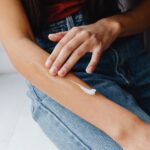
Some people recommend baby oil, mineral oil, or petroleum jelly to loosen the adhesive. These oils can help soften the film, but they work slower than warm water. Applying a small amount and letting it sit for 10 minutes may help the edges lift more easily.
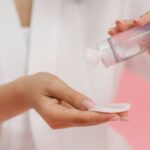
Rubbing alcohol is a different story. It can dissolve the adhesive quickly, but it also stings on open wounds and can dry out the healing skin. If the wound is fully closed and you have no broken skin, a small amount of rubbing alcohol on a cotton ball may speed up removal. Use it sparingly and rinse the area with water afterward.
Acetone, the main ingredient in nail polish remover, is not recommended. It is too harsh for damaged skin and can cause chemical burns. Stick to warm water, gentle oils, or mild soap.


What To Do If Liquid Skin Won’t Come Off
Sometimes the film stays firmly attached even after soaking. This is usually not a problem. The adhesive is designed to last until the skin underneath has healed, which can take up to two weeks for deeper cuts.
If it will not budge, leave it alone for another day or two. Reapply warm compresses a few times daily. The film will loosen as the outer layer of skin naturally sheds. Forcing it off early is the most common cause of re-injury.
If the liquid skin has been on for more than two weeks and shows no sign of peeling, consult a healthcare provider. They can assess whether the wound has healed properly and remove the film safely with medical tools if needed.
Watch for signs of infection during this time. Redness spreading beyond the wound, warmth, pus, or increasing pain are reasons to see a doctor. Do not wait for the film to come off if these symptoms appear.
Is It Better To Let Liquid Skin Fall Off Naturally?
For most wounds, yes. Letting the film fall off on its own is the least risky option. The adhesive loses its grip as the skin cells underneath renew and push outward. When the film is ready, it lifts at the edges and peels away without effort.
Active removal is only necessary if the film is catching on clothing, causing discomfort, or if a healthcare provider asks you to check the wound. In those cases, use the warm water soak method described earlier.
One common mistake is peeling the film off in the shower because it feels soft. Even softened adhesive can pull at the wound if you peel it too quickly. Slow and gentle is always better than fast and forceful.
What Happens After You Remove Liquid Skin
Once the film is off, you will see the healed area underneath. It may look pink, shiny, or slightly raised. This is normal. The skin is still fragile even though the cut appears closed.
Keep the area clean and moisturized. A plain, unscented moisturizer or petroleum jelly can protect the new skin and reduce itching. Avoid picking at any remaining flakes or dry edges.
Sun protection matters. New skin is more sensitive to UV damage, and sun exposure can cause the healing area to darken permanently. Apply sunscreen to the area once it is fully closed, or keep it covered for a few weeks.
If the wound was deep enough to need liquid skin, it may leave a scar. Gentle massage with moisturizer after the skin has fully healed can help flatten the scar over time, but results vary. No topical product has been proven to eliminate scars completely.
When To See a Doctor Instead of Removing It Yourself
Most liquid skin removals are straightforward. But some situations require professional help.
See a doctor if you notice any of the following:
- The wound looks infected — increasing redness, swelling, warmth, or discharge.
- The liquid skin was applied to a wound that has not closed after two weeks.
- You have diabetes or a condition that slows wound healing.
- The liquid skin is on a joint or area that moves constantly, causing it to crack or peel unevenly.
- You cannot remove the film and it is causing significant discomfort.
Healthcare providers have access to adhesive removers that are gentler than household products. These medical-grade solvents break down the adhesive without damaging the skin. Do not attempt to replicate this at home with industrial solvents or paint thinners.
Frequently Asked Questions
How long does liquid skin take to come off on its own?
Most liquid skin products peel off naturally within 5 to 10 days. Deeper cuts or thicker applications may take up to two weeks.
Is it safe to peel liquid skin off?
It is safe only if the film lifts easily after soaking in warm water. Forcing it off can tear new skin and reopen the wound.
Can I use nail polish remover to take off liquid skin?
No. Acetone in nail polish remover is too harsh for healing skin and can cause chemical burns. Use warm soapy water instead.
What if liquid skin gets infected underneath?
Seek medical care promptly if you see spreading redness, pus, warmth, or increasing pain. Do not try to remove the film yourself if infection is suspected.
