
Dimethicone is a silicone-based ingredient found in many moisturizers, primers, and sunscreens. It sits on the skin’s surface to lock in moisture and create a smooth barrier. Because it is not water-soluble, a basic face wash often leaves it behind. The most reliable way to remove it is the double cleansing method: first with an oil-based cleanser, followed by a water-based cleanser. This two-step process breaks down the silicone and then washes away the residue, leaving skin clean without stripping it.
What Is Dimethicone and Why Is It Hard to Wash Off?
Dimethicone is a type of silicone polymer. It forms a thin, breathable film on the skin. This film is what gives many cosmetics their silky, smooth feel. It also helps prevent moisture loss, which is why it is so common in night creams and long-wear makeup.
The issue is that silicones repel water. A standard foaming cleanser, which is mostly water, cannot break through that film. If you wash with only a gel or foam cleanser, dimethicone residue can remain. Over time, this buildup can mix with dead skin cells and sebum, potentially leading to clogged pores or a dull complexion.
Oil, however, dissolves silicone effectively. The principle is similar to removing grease with oil. An oil-based cleanser binds to the dimethicone on your skin and lifts it away. This is the first and most critical step in the double cleanse process.
How Does the Double Cleanse Method Work?
Double cleansing involves two separate washes. The first step uses an oil-based cleanser, balm, or cleansing oil. The second step uses a water-based cleanser, such as a gel, foam, or cream wash.
During the first cleanse, the oil attaches to the dimethicone and other oil-soluble impurities on your skin. This includes sunscreen, sebum, and makeup. You massage the oil into dry skin, then add water to emulsify it. The mixture turns milky and rinses away, carrying the dissolved silicones with it.
The second cleanse addresses what the oil cannot. Water-soluble impurities like sweat and environmental dirt are removed here. This step also cleanses the skin surface after the oil has done its job. Skipping the second cleanse can leave a thin oily film, which some people find heavy or sticky.
This method is not new. It originated in Korean and Japanese skincare routines. Dermatologists often recommend it for people who wear heavy makeup, waterproof sunscreen, or silicone-based products daily.
Step-by-Step Guide to Removing Dimethicone
Follow this process in the evening, when your skin has accumulated the most residue from the day.
- Start with dry hands and dry skin. Apply the oil cleanser directly to your face. Do not wet your face first. Water can prevent the oil from bonding with the dimethicone.
- Massage gently for 30 to 60 seconds. Use circular motions. Focus on areas where you applied primer, foundation, or heavy moisturizer. You should feel the product moving across your skin.
- Add lukewarm water to emulsify. The oil will turn into a milky texture. This means it is ready to rinse. Massage for another 10 to 15 seconds.
- Rinse thoroughly with lukewarm water. Make sure no oily residue remains around the hairline, jaw, or nose.
- Apply your water-based cleanser. Use a pea-sized amount. Gently massage over the entire face for 30 seconds.
- Rinse with lukewarm water and pat dry. Do not rub your skin with a towel. Patting prevents irritation.
If you wear very heavy or water-resistant sunscreen, you may need to double cleanse twice. This means repeating the oil cleanse step before moving to the water cleanser. Most people do not need this, but it is an option if you notice residue on a cotton pad after cleansing.




Choosing the Right Oil Cleanser
Not all oil cleansers are equal. Some are better at breaking down silicones than others. Look for products that list a high concentration of emollient oils, such as jojoba, sunflower, or squalane. These oils have a molecular structure that easily dissolves silicone polymers.
Avoid oil cleansers that contain additional dimethicone or other silicones in their ingredient list. This seems counterproductive. Some cleansing oils include silicones to create a silky texture. Check the label carefully. If you see ingredients ending in “-cone” or “-siloxane,” such as cyclopentasiloxane, that product may not fully remove silicone buildup.
Cleansing balms are a solid alternative to liquid oils. They melt into an oil upon contact with the skin. Many balms contain ester oils, which are particularly effective at breaking down long-wear formulas and silicone-heavy products.
For sensitive skin, choose a fragrance-free oil cleanser. Fragrance can irritate the skin barrier, especially if you are massaging the product for a full minute. Look for simple formulations with minimal ingredients.
What Happens If You Skip the Double Cleanse?
If you use dimethicone-based products and only wash with a water-based cleanser, some residue will likely remain. This is not dangerous. Dimethicone is considered safe for topical use and does not penetrate the skin deeply. The FDA includes it in its list of approved skin protectants.
The concern is accumulation. When dimethicone builds up over days or weeks, it can mix with sweat, sebum, and dead skin cells. This mixture can form a film that feels heavy or greasy. Some people report that their skincare products stop absorbing as well. Serums and moisturizers may sit on top of this film rather than penetrating the skin.
For people prone to acne, this buildup can be problematic. The film can trap bacteria and oil inside pores. Some dermatologists believe this contributes to breakouts, though the evidence is not conclusive. If you have acne-prone skin and use silicone products, double cleansing is a reasonable preventive step.
One study published in the Journal of Cosmetic Dermatology examined how well different cleansers removed silicone-based makeup. The researchers found that oil-based cleansers were significantly more effective than water-based ones at removing silicone residue. This supports the principle behind the double cleanse method.
Can You Remove Dimethicone Without an Oil Cleanser?
Some people prefer not to use oil cleansers because they feel heavy or break them out. There are alternatives, but they are generally less effective.
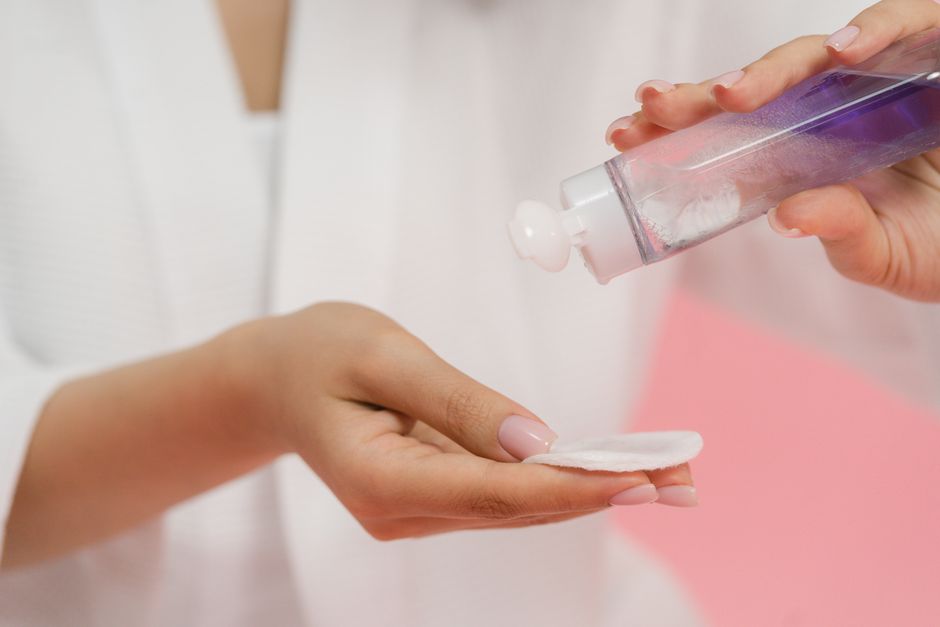
Micellar water is one option. It contains tiny surfactant molecules called micelles that attract oil and dirt. Soak a cotton pad and hold it on your skin for a few seconds before wiping. This can remove some dimethicone, but it is often not thorough enough for heavy silicone layers. You may need multiple pads to see clean results.
Cleansing wipes are another common alternative. Most wipes contain surfactants and solvents that can break down oils. However, they often leave residue behind and can be abrasive. Dermatologists generally recommend wipes only for emergencies, not as a daily cleansing method.
If you cannot use oil cleansers, look for a water-based cleanser that contains a high percentage of glycerin or other humectants. These can help lift some oil-soluble debris. But be aware that this will not fully remove dimethicone. The most reliable method remains an oil-based first cleanse.
How Often Should You Double Cleanse?
Once a day is usually enough. The evening is the best time because that is when your skin has the most buildup from the day. In the morning, a single water-based cleanse or just a splash of water is sufficient for most people.
Double cleansing twice a day can strip the skin of its natural oils. This can lead to dryness, tightness, and irritation. The skin barrier needs its natural lipids to stay healthy. Over-cleansing disrupts this balance.
If you work out mid-day and apply sunscreen again afterward, you may need an additional evening double cleanse. But for most routines, once daily is the right frequency.
People with very dry or sensitive skin should be especially careful. The oil cleanse itself is generally gentle, but the massage and the second cleanse can be irritating if done too often. If your skin feels tight or looks red after cleansing, reduce the frequency or shorten the massage time.
Frequently Asked Questions
Can I use baby oil to remove dimethicone?
Yes, baby oil is a mineral oil that can dissolve silicone-based products. However, it does not emulsify well, so you must wash thoroughly afterward to remove the oil itself.
Is dimethicone bad for your skin?
No, dimethicone is considered safe for most skin types and is approved as a skin protectant. It can cause issues for some people if it builds up, but it does not penetrate the skin or cause harm on its own.
How long should I massage the oil cleanser?
Massage for 30 to 60 seconds. This is enough time for the oil to bind with dimethicone and lift it from the skin without causing irritation from excessive rubbing.
