
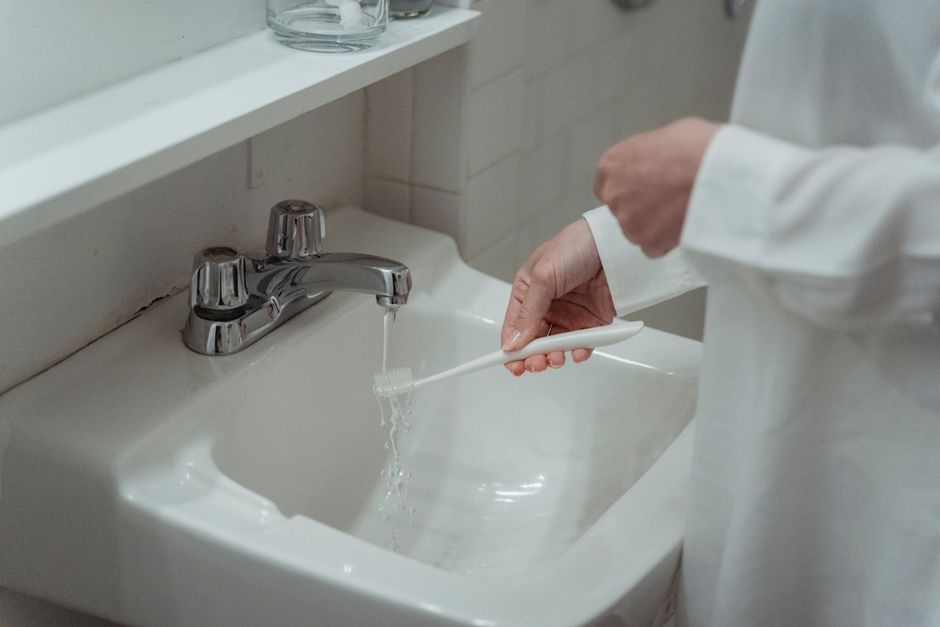
Fluoride is added to many public water supplies to prevent tooth decay, but some people want to reduce their exposure at home. The most reliable way to remove fluoride from tap water is with a reverse osmosis filtration system or a distillation unit. These are the only two home methods that consistently remove most of the fluoride from drinking water.
Why Is Fluoride in Drinking Water?
Community water fluoridation has been practiced in the United States since the 1940s. The Centers for Disease Control and Prevention lists it as one of the ten great public health achievements of the 20th century. The purpose is simple: to reduce cavities across the population, especially in children.
Fluoride occurs naturally in groundwater too. Some wells have naturally high levels. The amount in your water depends entirely on where you live and whether your local utility adds fluoride.
Most public water systems in the US adjust fluoride to about 0.7 milligrams per liter. This is the level recommended by the US Public Health Service. It is worth checking your local water quality report to know exactly what is in your tap water before deciding if you need to remove anything.
Does Boiling Water Remove Fluoride?
No. Boiling water does not remove fluoride. In fact, boiling concentrates fluoride because some water evaporates as steam, leaving the fluoride behind in a smaller volume of water.
This is a common misconception. People assume boiling purifies everything, but boiling only kills microorganisms. It does nothing to dissolved minerals, salts, or fluoride ions. If you boil water to make it safe from bacteria, the fluoride level in the remaining water actually goes up slightly.
What Is the Best Home Filter for Fluoride?
Reverse osmosis is the most effective home filtration method for fluoride removal. These systems push water through a semi-permeable membrane that traps fluoride ions and many other contaminants. Most reverse osmosis units remove between 85 and 95 percent of fluoride from tap water.
Distillation is the other highly effective option. A distiller boils water, captures the steam, and condenses it back into liquid. Since fluoride does not evaporate with the steam, it stays behind in the boiling chamber. Distillation can remove over 99 percent of fluoride when done correctly.
Both systems are installed under the kitchen sink or sit on the countertop. They produce water slowly, so most people use them for drinking and cooking water rather than for the whole house.





Do Brita or Pitcher Filters Remove Fluoride?
Standard pitcher filters like Brita and Pur do not remove fluoride. These filters use activated carbon, which is excellent at removing chlorine, taste, and odor but does not capture fluoride ions.
Some pitcher filters now advertise fluoride removal specifically. These use a blend of activated carbon and other media such as bone char or activated alumina. If a pitcher claims fluoride removal, check the packaging or the manufacturer’s website for independent test results.
When in doubt, read the label carefully. A filter that removes chlorine, lead, and sediment may still leave fluoride completely untouched. The filter packaging must explicitly state fluoride reduction to assume any removal is happening.
Can Activated Alumina or Bone Char Filters Work?
Activated alumina is a specialized filter media that adsorbs fluoride from water. It is used in some under-sink systems and countertop filters specifically designed for fluoride removal. These filters work but require regular replacement because the media becomes saturated with fluoride over time.
Bone char carbon is another media that can remove fluoride. It works through ion exchange and adsorption. Some water filters sold for fluoride removal use bone char as the active ingredient.
The challenge with both options is that performance varies by brand. Some products remove 90 percent of fluoride. Others remove far less. Always look for filters that have been tested by a third-party laboratory and state a specific fluoride reduction percentage on the label.
Does a Water Softener Remove Fluoride?
No. Water softeners remove hardness minerals like calcium and magnesium through ion exchange. They do not remove fluoride. If you have a water softener, your fluoride level remains unchanged after softening.
Some people assume that because a softener removes minerals, it removes everything dissolved in the water. That is not how ion exchange works. The resin beads in a softener specifically target calcium and magnesium ions, not fluoride.
What About Countertop Distillers?
Countertop distillers are a practical option for fluoride removal at home. These appliances plug into a standard outlet, boil water, and collect the condensed steam in a clean container.
A typical countertop distiller produces about one gallon of distilled water in three to four hours. This is plenty for drinking and cooking but not enough to fill a bathtub. The water produced has virtually no fluoride, no minerals, and no dissolved solids.
One note about distilled water: it tastes flat to some people because it lacks minerals. You can add a pinch of mineral salt or use a remineralization cartridge if the taste bothers you.
Is Bottled Water a Good Alternative?
Bottled water labeled as purified or distilled generally contains very little fluoride. Many brands use reverse osmosis or distillation as part of their treatment process.
Spring water is different. Natural spring water contains whatever minerals are present in the source, including fluoride in some cases. If you are choosing bottled water specifically to avoid fluoride, look for the words “purified” or “distilled” on the label.
Bottled water is a reasonable short-term solution, but it is expensive and creates plastic waste. A home reverse osmosis system or distiller pays for itself over time if you drink a lot of water.
What Are the Health Considerations?
Fluoride at the levels used in community water systems is safe for most people. The primary benefit is cavity prevention, particularly for children whose teeth are still developing.
Some people are concerned about dental fluorosis, a cosmetic condition that causes white streaks on teeth. This occurs when children consume too much fluoride while their teeth are forming. It is generally mild and does not affect tooth function.
Skeletal fluorosis, a more serious bone condition, occurs only with very high fluoride exposure over many years. This is not a realistic risk from drinking fluoridated tap water in the United States.
The decision to remove fluoride is a personal one. If you have a baby and use formula, you may want to use fluoride-free water to mix the formula. Some parents prefer this to reduce the risk of dental fluorosis. Your pediatrician or dentist can give you specific guidance for your child.
How Much Does Fluoride Removal Cost?
Reverse osmosis systems range from about $150 to $600 for the unit, plus installation and filter replacements. Replacement filters typically cost $50 to $150 per year depending on the brand and water quality.
Countertop distillers cost between $100 and $300. They have minimal ongoing costs beyond electricity and occasional cleaning of the boiling chamber with citric acid or vinegar.
Specialized fluoride pitcher filters cost $30 to $60 for the pitcher, and replacement cartridges run $20 to $40 each. These are the least expensive option but may remove less fluoride than reverse osmosis or distillation.
Consider your budget and your water usage. A family drinking two gallons of water per day will need a system with enough capacity. A single person might be perfectly served by a countertop distiller or a fluoride-specific pitcher.
How Do You Know If Your Water Has Fluoride?
Your local water utility publishes an annual water quality report called a Consumer Confidence Report. This report lists the fluoride level in your tap water. You can usually find it on the utility’s website or request a copy by phone.
If you have a private well, you need to test the water yourself. Contact your county health department or a state-certified laboratory to order a fluoride test kit. Well water fluoride levels vary widely by region, and some wells have naturally high levels.
You can also buy a home fluoride test strip, but these are less accurate than laboratory testing. For a general idea of your fluoride level, the test strips are fine. For a precise measurement, use a lab.
Frequently Asked Questions
Does boiling water remove fluoride?
No, boiling water does not remove fluoride. It actually concentrates fluoride because some water evaporates as steam, leaving more fluoride behind in the remaining water.
Do Brita filters remove fluoride?
Standard Brita and Pur pitcher filters do not remove fluoride. Only filters that specifically state fluoride reduction on the packaging, such as those containing activated alumina or bone char, can remove it.
What is the cheapest way to remove fluoride from water?
Fluoride-specific pitcher filters are the least expensive option, with pitchers costing $30 to $60 and replacement cartridges running $20 to $40 each. Countertop distillers and reverse osmosis systems cost more upfront but have lower long-term costs per gallon.
Is it safe to drink water without fluoride?
Yes, drinking water without fluoride is safe. Fluoride provides cavity prevention benefits, but you can get fluoride from toothpaste and other dental products if you choose to remove it from your drinking water.
