
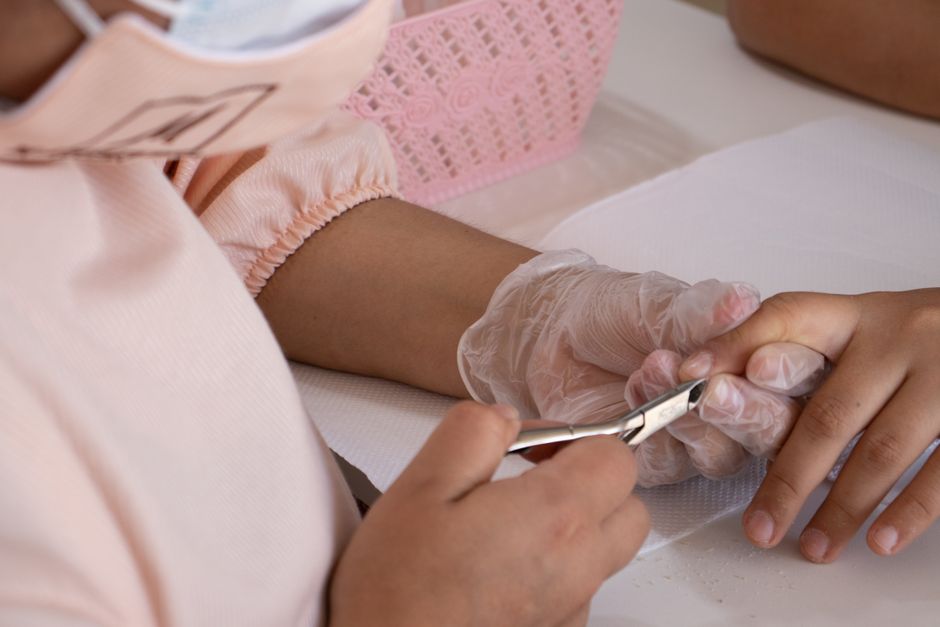
Removing dip nails at home is simple when you use the right method. The safest and most effective way is to soak your nails in pure acetone, then gently scrape off the softened product. Never pry or rip the powder off your nails — that damages the natural nail underneath.
What Is the Best Way to Remove Dip Nails?
The best method uses pure acetone, cotton balls, aluminum foil, and a cuticle pusher or orangewood stick. Start by filing the shiny top layer of each dip nail. This breaks the seal and lets the acetone reach the powder underneath. Then saturate a cotton ball with acetone, place it on the nail, and wrap your fingertip tightly with a small piece of aluminum foil. Leave the wraps on for 10 to 15 minutes. Check one nail — if the dip powder looks soft and flaky, it is ready to remove. Gently push the softened product off with the cuticle pusher. Do not scrape hard. If some residue remains, rewrap that finger for another few minutes. Repeat until all nails are clean.
Some people use a bowl of warm acetone and soak all fingertips at once. This works too, but it takes longer and the acetone evaporates faster. Foil wraps keep the acetone against the nail and speed up the process.
Can You Remove Dip Nails Without Acetone?
Acetone is the only reliable solvent for dip powder. Products marketed as “non‑acetone removers” are very weak against dip nails. They may soften the top coat slightly but will not dissolve the layers of powder and resin underneath. Without acetone, the only safe alternative is to file the dip powder off entirely. That means using a coarse nail file or an electric drill file to remove every layer of powder. This takes much longer, creates a lot of dust, and risks filing down the natural nail if you are not careful. For most people, acetone removal is faster and safer. If you are sensitive to acetone, try a conditioning acetone formula that contains moisturizers, but do not expect a non‑acetone remover to work.
What Supplies Do You Need for Dip Nail Removal?
You only need a few items. Most are available at drugstores or online.
- Pure acetone — not a diluted nail polish remover. Check the label for 100% acetone.
- Cotton balls or pads — large enough to cover the nail.
- Aluminum foil — cut into small squares, about 3 inches each.
- A nail file — medium grit (180 grit) to remove the top layer.
- A cuticle pusher or orangewood stick — metal or wood, with a flat or angled tip.
- Cuticle oil or hand cream — to rehydrate nails and skin after removal.
Optional items include a nail buffer to smooth the natural nail afterward and a small bowl of warm water for rinsing. No special tools are required.


How Long Does It Take to Remove Dip Nails?
Total removal time is about 20 to 30 minutes. The active soaking time inside the foil wraps is 10 to 15 minutes. After you unwrap each nail, pushing off the softened powder takes just a few seconds per nail. If a nail is not fully softened, rewrapping for another 3 to 5 minutes is faster than scraping. The entire process from filing to finishing with cuticle oil is about half an hour. If you try to skip the initial filing, the acetone may not penetrate the top layer and soak time doubles. Always file off the shiny seal coat first.
Is It Safe to Remove Dip Nails Yourself?
Yes, when you follow the soak‑off method and do not pry or rip. Dip powder is not bonded permanently to the nail; it softens and releases with acetone. The real risk is damage from forcing the product off while it is still hard. That can peel off layers of your natural nail plate, causing thinning, brittleness, or breaks. Acetone itself is drying to the skin and nails, but that is temporary. Applying cuticle oil afterward restores moisture. If you have a history of weak or damaged nails, or an allergy to nail products, consider having a professional remove your dip nails or talk to a dermatologist first.
What Should You Avoid When Removing Dip Nails?
Avoid prying, picking, or pulling the dip powder off. This is the most common mistake. When you peel off the powder, you often take the top layer of natural nail with it. That weakens the nail and can cause splitting or peeling for weeks afterward.
Avoid using tools that are sharp or metal to scrape the nail bed. A metal cuticle pusher is fine for gently lifting softened powder, but using it like a chisel can scratch the nail surface. Orangewood sticks are softer and safer.
Avoid over‑soaking. Leaving your nails in acetone for longer than 20 minutes is unnecessary and dries out the nail plate more than needed. If the first soak does not remove everything, rewrap for a few more minutes instead of soaking continuously.
Avoid filing down to the natural nail aggressively. Once you see the dip powder starting to disappear, switch to a finer grit or stop. Your goal is to remove the dip, not to thin your own nail.
Frequently Asked Questions
How often should I remove dip nails?
Most people remove and redo dip nails every two to three weeks as the nail grows out. Waiting longer increases the risk of the nail lifting and trapping moisture underneath, which can lead to fungal or bacterial infections.
Can I reuse dip powder after removal?
No. The powder that softens and comes off during removal is contaminated with acetone and dust. It cannot be reapplied. Always use fresh powder for your next set.
Does dip nail removal damage natural nails?
Proper removal using acetone and gentle scraping does not permanently damage the nail. The nail may feel thin or dry immediately after removal, but this is temporary. Repeated cycles without rest or moisturizing can lead to brittle nails over time.
How do I repair nails after dip removal?
Apply cuticle oil or a moisturizing hand cream several times a day for at least a week. Avoid reapplying dip or gel immediately. Let your nails breathe and rehydrate for a few days before your next set.
