
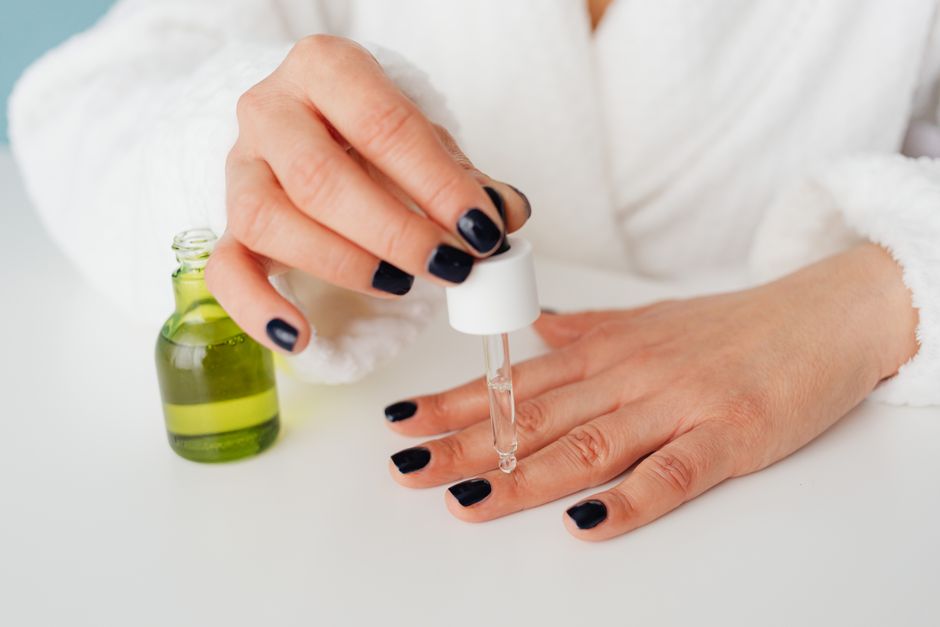
Nail picking is often a body-focused repetitive behavior (BFRB) triggered by stress, anxiety, boredom, or perfectionism. You can stop it by becoming more aware of the habit and using simple replacement actions like fidget toys or keeping your hands busy. The key is to catch yourself early and redirect the urge without judgment.
Why Do I Pick At My Nails?
Nail picking is rarely about the nail itself. For most people, it is a way to manage uncomfortable feelings or to satisfy a sensory need. Common triggers include stress, anxiety, boredom, frustration, or even deep concentration. Some people pick when they are watching TV, reading, or driving — times when their hands are not otherwise occupied.
There is also a perfectionist angle. Some pick because they notice a rough edge or an uneven nail and feel compelled to “fix” it. This can create a cycle: you pick to smooth it, but end up making it worse, then pick more. The urge feels automatic and can be hard to resist without a plan.
Research in behavioral psychology groups nail picking with other body-focused repetitive behaviors like skin picking and hair pulling. These behaviors share a common pattern: a buildup of tension or an urge, followed by the action, and then a sense of relief or satisfaction. That relief reinforces the habit, making it harder to break over time.
Is Nail Picking a Mental Health Condition?
Occasional nail picking is very common and not a disorder. It becomes a concern when it causes noticeable damage, distress, or interferes with daily life. In those cases, it may be diagnosed as a body-focused repetitive behavior disorder, sometimes called onychotillomania. The DSM-5 (the diagnostic manual used by mental health professionals) includes skin picking disorder and hair pulling disorder, but does not have a separate diagnosis specifically for nail picking. Still, clinicians recognize it as a variant of these conditions.
If you cannot stop despite repeated attempts, or if your fingers bleed, hurt, or become infected, it is reasonable to speak with a mental health professional. You do not need to have a diagnosis to get help. Many people benefit from behavioral strategies even when their picking is relatively mild.
What Happens When You Pick Your Nails?
Repeated picking damages the nail bed and the cuticle. The nail may become thin, ridged, or discolored. The cuticle acts as a protective seal; when it is damaged, bacteria and fungi can enter, leading to infection. Paronychia — an infection around the nail — is a common complication. Signs include redness, swelling, warmth, and pus.
In severe cases, picking can permanently alter nail growth. The nail matrix, where new nail cells are produced, can be injured. This may cause the nail to grow back deformed or not grow at all. Most damage is reversible once the habit stops, but recovery can take months because fingernails grow slowly — about 1/8 inch per month.
There is also an emotional cost. Many people feel shame or embarrassment about their picking, which can make them avoid social situations where hands are visible. This can reinforce the habit, as stress and shame are common triggers.



How Can I Stop Picking My Nails?
Stopping requires a multi-step approach. The most evidence-based strategy is habit reversal training, which involves three core steps:
- Awareness. Notice when and where you pick. Keep a simple log for a few days. Do you pick more when stressed? Bored? Tired? This information helps you predict and intercept the habit.
- Replacement behavior. Choose a harmless action to do instead of picking. Examples: squeeze a stress ball, rub your fingertips together, tap your fingers on a table, or hold a small fidget object. The replacement must be easy to do one-handed and not interfere with your activity.
- Reward and practice. Give yourself credit when you catch the urge early and use the replacement. Over time, the new behavior becomes automatic.
Other practical tips include keeping nails very short so there is less to pick, using bitter-tasting nail polish (though this works for some, it is more of a reminder than a cure), and wearing gloves or bandages during high-risk times. Mindfulness and relaxation techniques can help if anxiety is a major trigger.
Are There Treatments That Work?
Yes, but the evidence is strongest for behavioral therapies, not medications. Cognitive-behavioral therapy (CBT) that includes habit reversal training is the most studied and effective approach. Studies in people with skin picking and hair pulling show that over half of participants report significant improvement after several sessions. The same principles apply to nail picking.
Acceptance and commitment therapy (ACT) is also used. It teaches you to notice the urge without acting on it, accepting discomfort rather than trying to eliminate it. Some clinicians recommend it for people whose picking is driven by anxiety or perfectionism.
Medications are not specifically approved for nail picking. Some practitioners prescribe SSRIs (antidepressants) or N-acetylcysteine (an amino acid supplement) based on limited evidence from skin picking studies. However, results are mixed, and no large, well-controlled trials have confirmed their effectiveness for nail picking alone. Do not expect a quick fix from a pill. Talk to a doctor if you want to explore medical options, but be aware that the evidence is not strong.
Self-help books and online programs that teach habit reversal are available. Look for resources from the TLC Foundation for Body-Focused Repetitive Behaviors, which offers evidence-based information.
Frequently Asked Questions
Is nail picking a sign of anxiety?
It can be for some people, but it is not always. Many people pick when they are anxious, but others pick when they are bored, concentrating, or frustrated. The trigger varies from person to person.
Can nail picking damage nails permanently?
In most cases, damage is reversible once the habit stops. However, severe or repeated trauma to the nail matrix can cause permanent deformity or prevent regrowth. Signs of permanent damage include split nails, thickening, or loss of the nail.
How long does it take to stop picking nails?
It depends on how long the habit has been present and how consistent you are with replacement behaviors. Some people see improvement in a few weeks with daily practice. Others need several months of therapy to break the cycle. Relapses are normal and do not mean failure.
Are there any supplements that help with nail picking?
No supplement has been proven effective for nail picking. N-acetylcysteine has shown mixed results in studies for skin picking and hair pulling, but it is not a standard treatment and should only be taken under a doctor’s supervision. The evidence is too weak to recommend it.
