
Correction fluid, often called white-out, can be one of the most frustrating stains to get out of clothing. The good news is that most correction fluids are removable if you act quickly and use the right solvent. The key is to identify whether you are dealing with a water-based or solvent-based formula, because each requires a different removal approach.
What Type of Correction Fluid Is on Your Clothes?
Before you treat the stain, check the bottle if you still have it. This matters more than any other step. Water-based correction fluids, often labeled as “washable,” respond to simple soap and water. Solvent-based fluids are the traditional formulas that dry fast and require a chemical solvent to break down.
If you cannot check the label, test a small amount of the fluid on a piece of scrap paper. Water-based fluid will smear with a wet finger. Solvent-based fluid will not. This quick test takes seconds and prevents you from using the wrong method on a set-in stain.
How To Remove Correction Fluid From Clothes: Step-by-Step
Start by scraping off any excess dried fluid with a dull knife or the edge of a credit card. Do not rub the stain. Rubbing pushes the pigment deeper into the fabric fibers and spreads the stain outward.
Place the stained area face down on a clean white towel. Apply your chosen solvent to the back of the stain. This pushes the correction fluid out of the fabric rather than through it. Blot with a clean cloth, working from the outside edge of the stain toward the center. Keep moving to a clean section of the towel as it absorbs the dissolved fluid.
For water-based formulas, use liquid laundry detergent or dish soap directly on the stain. Gently work it in with your fingers or a soft-bristled brush. Let it sit for five minutes, then rinse with warm water. Repeat until the stain lifts.
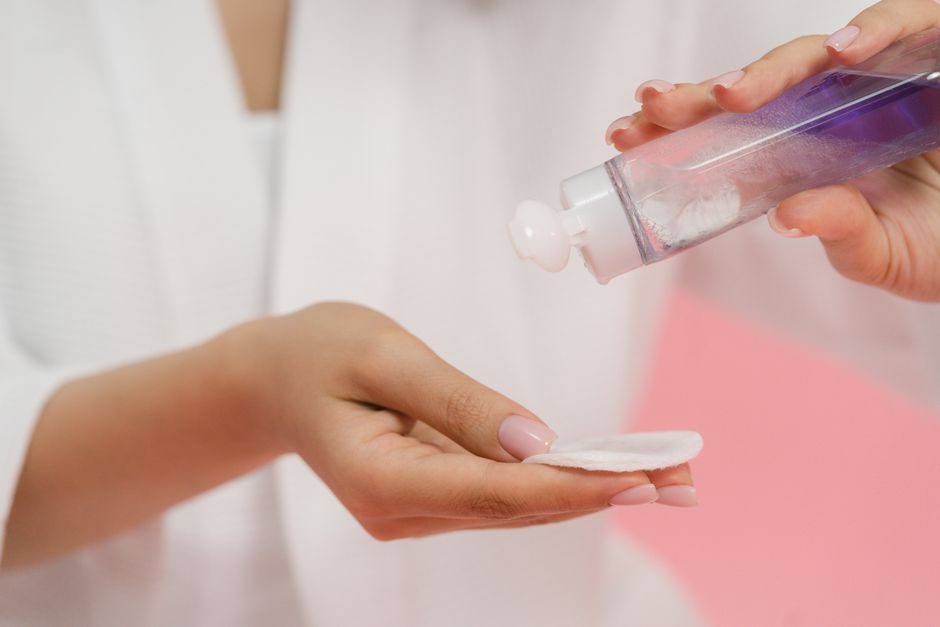
For solvent-based formulas, you need a stronger approach. Isopropyl alcohol, often called rubbing alcohol, works on most synthetic fabrics. Apply it with a cotton ball or clean cloth, then blot. Acetone, found in nail polish remover, is more aggressive and works faster, but it can damage acetate and triacetate fabrics. Test any solvent on an inside seam first to check for color damage.
Which Solvents Work and Which Ones Damage Fabric
Isopropyl alcohol is the safest first choice for solvent-based correction fluid. It dissolves the resin that binds the pigment to the fabric. Most home laundry rooms have it, and it is safe on cotton, polyester, and most blends.
Hairspray is a common home remedy, but its effectiveness varies widely by brand and formula. Modern hairsprays contain less alcohol than older formulas, so results are inconsistent. If you use it, check the ingredients for alcohol as the first or second ingredient. Otherwise, skip it and use rubbing alcohol directly.
Avoid heat. Do not use a hair dryer to speed up drying, and do not put the garment in a clothes dryer until the stain is completely gone. Heat sets correction fluid stains permanently. Air dry the garment after treatment, then check the stain in natural light before drying it normally.
Bleach is not a good option for correction fluid. It does not dissolve the resin. It only lightens the dye in the fabric while leaving the stain behind. You risk damaging the garment without removing the mark.





What to Do With Dried Correction Fluid Stains
Dried correction fluid is harder to remove but not impossible. The solvent needs more time to penetrate the hardened resin. Apply your chosen solvent generously and let it sit for 10 to 15 minutes before blotting.
For stubborn dried stains, soak the garment in warm water with a laundry booster or enzyme detergent for 30 minutes after solvent treatment. Then launder as usual. Some fabrics may require two or three treatment cycles before the stain fully disappears.
Do not use hot water for the initial soak. Heat can set the stain before the solvent has fully broken it down. Warm water is sufficient and safer.
How To Remove Correction Fluid From Delicate Fabrics
Silk, wool, and other delicate fabrics need gentler handling. Harsh solvents can dissolve the fibers themselves. For these fabrics, use a mild detergent solution first and blot gently. If that fails, try a small amount of isopropyl alcohol diluted with two parts water.
Test any treatment on a hidden area of the garment, such as an inside hem or seam. Wait for it to dry and check for color change or fabric damage before treating the visible stain. Delicate fabrics may require professional dry cleaning if home treatment does not work.
Take the garment to a professional cleaner and tell them the stain is correction fluid. They have access to industrial solvents that are not available to consumers. Professional cleaning is often the safest option for expensive or irreplaceable clothing.
Does Fabric Type Change the Removal Method?
Yes. Synthetic fabrics like polyester and nylon are generally safe with alcohol-based solvents. Natural fibers like cotton and linen tolerate alcohol well too. The main risk is with acetate, triacetate, and some rayon fabrics, which dissolve when exposed to acetone.
Check the care label on your garment. If it lists acetate or triacetate, avoid acetone entirely. Use isopropyl alcohol instead, and test it on a hidden area first. For blended fabrics, treat the garment as if it is made of the most delicate fiber listed.
How To Prevent Correction Fluid Stains in the First Place
Prevention is simpler than removal. Let correction fluid dry completely before closing the bottle or moving the paper. Most smudges happen when the cap is replaced too soon or the paper is moved while the fluid is still wet.
Keep correction fluid away from clothing when using it. The most common accident is uncapping the bottle over a desk while wearing a shirt or sweater. Work over a protected surface and keep the bottle upright.
If you frequently use correction fluid, consider switching to correction tape. Tape does not spill and leaves no liquid residue. It is not always suitable for every writing task, but it eliminates the stain risk entirely.
When Home Treatment Is Not Working
If you have tried the appropriate solvent twice and the stain remains, stop treating it. Repeated chemical exposure can damage the fabric. Take the garment to a professional cleaner.
There is no guarantee that any stain will come out completely. Some correction fluid stains, especially those that were dried with heat or left for weeks, may be permanent. The sooner you treat the stain, the better your chances of full removal.
Frequently Asked Questions
Can I use nail polish remover to get correction fluid out of clothes?
Yes, but only if it contains acetone and your fabric is not acetate or triacetate. Test it on a hidden seam first, and rinse thoroughly after the stain lifts.
Does hairspray remove correction fluid from fabric?
Sometimes, because older hairspray formulas contain alcohol that dissolves the fluid. Modern formulas vary, so rubbing alcohol is a more reliable choice.
Will correction fluid stains come out after the clothes have been washed and dried?
Possibly, but heat from the dryer makes the stain much harder to remove. Treat the stain with solvent first, then rewash and air dry to check the result.
Is correction fluid toxic if it gets on my skin?
Most correction fluids are not highly toxic, but they can irritate the skin. Wash the area with soap and water, and avoid inhaling the fumes from solvent-based formulas.
