
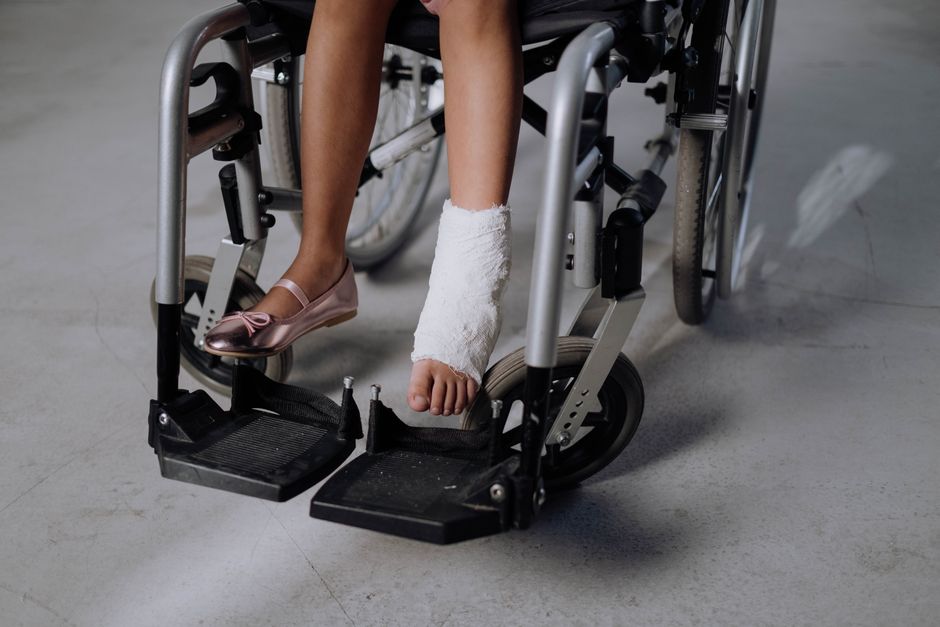
Getting your cast off is usually a quick, painless process, but many people feel nervous about it. The saw looks intimidating, but it will not cut your skin. A medical professional removes the cast with a special vibrating tool, then checks your limb and gives you aftercare instructions. Here is exactly what happens, step by step, so you know what to expect.
How Does The Doctor Remove A Cast?
The removal process takes only a few minutes. A technician or doctor uses a small, circular saw with a dull blade that vibrates rather than spins. The vibration breaks apart the cast material while the blade stays safely away from your skin.
Most people feel vibration and some warmth during the process. You should not feel pain. If you do, tell the person removing the cast immediately. They will adjust their technique.
The saw cuts through the outer shell of the cast. Once it splits, the technician pries the two halves apart with a special tool. Then they cut off the soft cotton lining underneath with scissors. Those scissors are blunt-tipped and designed to slide between the lining and your skin without cutting you.
What Does It Feel Like When The Cast Comes Off?
The vibration from the saw can feel strange, especially if you have had the cast on for weeks. Some people describe it as a strong buzzing sensation. The warmth comes from friction, not from the blade itself.
Once the cast opens, you will feel sudden relief from the pressure. Your limb has been confined for weeks, and the moment it is free feels noticeable. The cotton liner may be warm and damp from trapped sweat and dead skin cells.
Your skin underneath will look different than you remember. It will likely be pale, dry, and flaky. You may see some hair loss on the limb. This is normal. The skin has not seen light or air in weeks, and it needs time to recover.
Why Does My Limb Look And Feel Weird After Cast Removal?
Your arm or leg will look thinner than the other one. This is muscle atrophy — the muscle has shrunk from lack of use. The degree of shrinkage depends on how long you wore the cast and how much you used the limb inside it.
The joint near the cast will feel stiff. If you had a wrist cast, your wrist and fingers will be hard to move at first. If you had a leg cast, your ankle and knee will feel tight. This stiffness is expected and temporary.
Swelling is also common after cast removal. Your limb is suddenly exposed to gravity and movement again, and fluid can pool in the tissues. Elevating the limb and moving it gently helps reduce this swelling.


How To Remove A Cast What To Expect Step By Step?
Here is the full sequence of what happens during cast removal:
- Positioning: You sit or lie down with the casted limb resting on a flat surface. The technician positions the saw and explains what they are doing.
- Cutting: The technician runs the vibrating saw down the length of the cast, usually on two opposite sides. The saw cuts through the plaster or fiberglass but stops at the padding.
- Splitting: The technician uses a spreader tool to open the cast along the cut lines. The two halves separate, and the cast comes off your limb.
- Cutting the liner: The cotton padding underneath is cut with blunt scissors and pulled away from your skin.
- Cleaning: The technician wipes away loose debris and dead skin. Some offices provide a wet wipe or cloth for you to clean the area.
- Examination: The doctor checks your skin for irritation, sores, or signs of infection. They may order an X-ray to confirm the bone has healed.
- Aftercare instructions: You receive guidance on washing the limb, managing stiffness, and when to resume normal activity.
The entire process takes about 10 to 15 minutes from start to finish. The actual cutting takes only a few minutes.
What Happens After The Cast Is Removed?
Your doctor will tell you how much to use the limb. Some fractures need gradual return to activity. Others allow immediate full use. Follow your doctor’s specific instructions rather than assuming you are fully healed.
Washing the limb is usually the first thing people want to do. Your skin has been sealed in a cast for weeks. Use mild soap and warm water. Gently rub the skin to remove the dead cells. Do not scrub hard — the skin is sensitive and may break easily.
Moisturizer helps with the dryness. Apply a fragrance-free lotion or cream after washing. Avoid heavy oils that can clog pores. The flaky skin will shed over the next week or two as new skin replaces it.
How Long Does It Take To Regain Strength And Movement?
Stiffness improves quickly with movement, but strength takes longer. Expect noticeable improvement in range of motion within the first week. Full strength recovery can take several weeks or months depending on the fracture and how long you were immobilized.
Your doctor may recommend physical therapy. This is common for fractures that involved a joint or required long immobilization. A therapist guides you through exercises that rebuild strength and flexibility safely.
If you do not receive a therapy referral, ask your doctor what exercises are appropriate. Gentle range-of-motion movements are usually safe, but do not push through sharp pain. Some discomfort during movement is normal. Sharp or worsening pain is not.
Can I Remove A Cast At Home?
No. Do not attempt to remove a cast at home. The tools used in a medical office are specifically designed for this task. Household items like knives, scissors, or saws can cause serious injury to your skin and underlying tissues.
Attempting cast removal at home also risks damaging your healing bone. The cast is there to hold the fracture in a specific position. Removing it too early or incorrectly can disrupt healing and require the cast to be reapplied.
If your cast is causing problems — such as severe pain, numbness, or a foul odor — contact your doctor’s office. Do not cut it off yourself. A medical professional needs to assess the situation and remove the cast safely if necessary.
When Should I Call The Doctor After Cast Removal?
Some symptoms after cast removal require medical attention. Call your doctor if you experience any of the following:
- Severe pain that does not improve with movement and elevation
- Numbness or tingling that persists beyond the first day
- Skin that is red, hot, or oozing fluid
- Inability to move the joint at all
- A popping or grinding sensation in the limb
These symptoms can indicate a problem with healing, a nerve issue, or an infection. They are not normal parts of the recovery process.
Frequently Asked Questions
Does removing a cast hurt?
No, cast removal does not hurt. You will feel vibration and warmth from the saw, but the blade does not touch your skin.
Can I shower right after my cast is removed?
Yes, you can shower after the cast is off. Use mild soap and warm water, and gently wash away the dead skin without scrubbing hard.
How long will my arm or leg feel stiff after cast removal?
Stiffness usually improves significantly within the first week. Full strength recovery can take several weeks or months depending on the fracture.
Why does my skin look yellow and flaky after cast removal?
That is dead skin that accumulated while the cast was on. It is normal and will shed naturally over one to two weeks with regular washing and moisturizing.
Cast removal is a straightforward procedure. The saw is safe, the process is quick, and the strange appearance of your limb is temporary. Follow your doctor’s aftercare instructions, move the joint gently, and give your skin time to recover. Most people are surprised at how fast normal function returns.
