
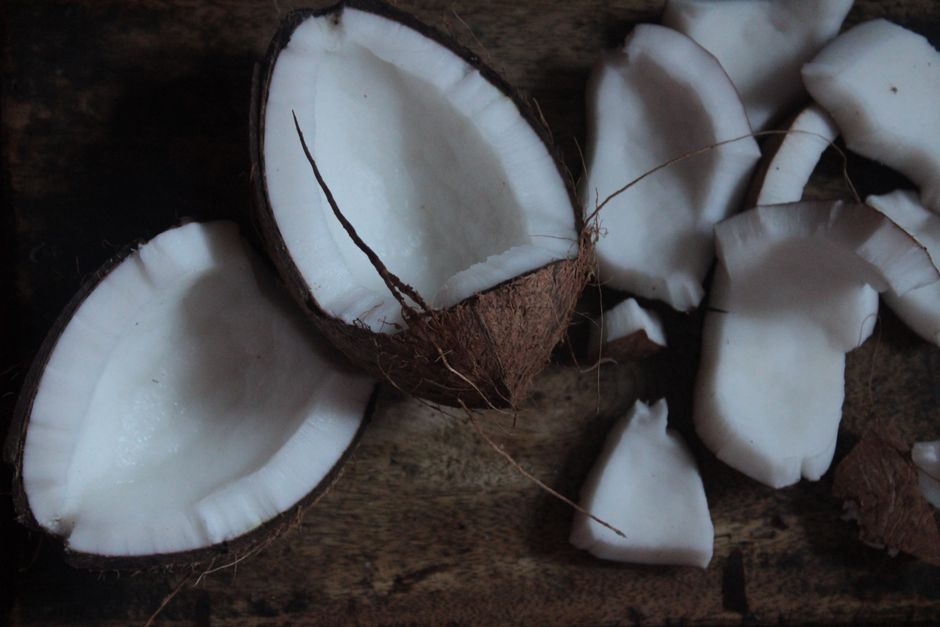
Coconut oil is a single ingredient with three very different uses: cooking, hair care, and skin care. The key is that not all coconut oil is the same, and the way you use it depends entirely on your goal. For cooking, use virgin coconut oil at moderate heat. For hair, apply it as a pre-wash treatment. For skin, use a small amount on damp skin as a moisturizer. The evidence behind each use varies, and this guide separates what is proven from what is merely popular.
What Type of Coconut Oil Should You Buy?
The two main types are virgin (or unrefined) and refined coconut oil. Virgin coconut oil comes from fresh coconut meat and keeps a mild coconut taste and aroma. Refined coconut oil goes through extra processing, which removes the smell and raises the smoke point.
For cooking, both work, but the choice matters at high heat. Refined coconut oil has a higher smoke point, which means it can handle hotter pans without breaking down. For hair and skin, virgin coconut oil is the more common choice because it is less processed.
Look for cold-pressed virgin coconut oil if you want the least processed option. The difference in quality between brands is mostly about processing methods, not marketing claims on the jar.
How To Use Coconut Oil for Cooking
Coconut oil is a cooking fat that works well for sautéing and baking. It is solid at room temperature, so you need to warm it before measuring or pouring. A quick way is to run the jar under warm water or scoop out what you need and let it melt in the pan.
Use coconut oil for medium-heat cooking. Sautéing vegetables, frying eggs, or roasting potatoes all work well. The mild coconut flavor in virgin oil can complement certain dishes, especially curries and baked goods. If you do not want the flavor, refined coconut oil is the better choice.
Avoid deep frying with coconut oil. While it can be done, the temperatures required for deep frying are close to or above the smoke point of most coconut oils. When an oil reaches its smoke point, it starts to break down and can produce compounds that are not good for you.
Coconut oil is about 90 percent saturated fat. This is higher than butter, which is about 64 percent saturated fat. The American Heart Association and other major health organizations recommend limiting saturated fat intake. Coconut oil can be part of a balanced diet, but it should not be your only cooking fat. Replacing it with liquid plant oils like olive or canola oil is a reasonable choice for daily cooking.
How To Use Coconut Oil for Hair
Coconut oil is one of the few oils that research has actually studied for hair care. Some studies indicate that coconut oil can reduce protein loss in hair. This matters because hair is mostly protein, and damage and breakage often come from protein loss.
The most evidence-backed use is as a pre-wash treatment. Apply coconut oil to your hair and leave it in for a period before shampooing. Some research suggests that coconut oil penetrates the hair shaft better than mineral oil or sunflower oil. This is likely because of its molecular structure, which is small enough to get inside the hair.
Here is a simple routine that some dermatologists recommend:
- Warm a small amount of coconut oil in your hands.
- Apply it to the middle and ends of your hair, not the scalp.
- Leave it on for 20 to 30 minutes.
- Shampoo thoroughly and condition as usual.
People with dry or damaged hair may benefit most from this treatment. People with fine or thin hair may find coconut oil too heavy. It can weigh hair down and make it look greasy. If that happens, use less oil or wash it out more thoroughly.
There is no strong evidence that coconut oil makes hair grow faster. It can improve the condition of the hair you have, which may reduce breakage and make hair appear thicker over time. But it does not change the rate of growth from the follicle.





How To Use Coconut Oil for Skin
Coconut oil works as a moisturizer for many people. It is an occlusive agent, which means it forms a barrier on the skin that slows water loss. This is why it feels effective on dry skin.
Apply it to damp skin after a shower. This traps moisture in the skin rather than just coating the surface. A small amount goes a long way. Start with a pea-sized amount and add more only if needed.
Some research suggests that virgin coconut oil can improve skin hydration and may be helpful for mild dryness. It is also used in some traditional skin care practices as a gentle cleanser or makeup remover. For removing makeup, apply a small amount, massage gently, and wipe off with a soft cloth.
There are important warnings here. Coconut oil is highly comedogenic, which means it can clog pores. For people prone to acne, applying coconut oil to the face is a common trigger. Some dermatologists advise against using it on the face for this reason. It is safer on the body, where the skin is less prone to breakouts.
Do not use coconut oil on broken or damaged skin. The barrier that makes it a good moisturizer can also trap bacteria and slow healing. If you have a wound, rash, or active infection, use a product designed for that purpose instead.
Does Coconut Oil Treat Skin Conditions Like Eczema?
This is where marketing gets ahead of the evidence. Some studies suggest that virgin coconut oil may help with mild eczema by improving skin moisture and reducing bacteria on the skin. The evidence is promising but not conclusive.
One study published in a dermatology journal found that virgin coconut oil reduced dryness in children with eczema. Another study found similar results in adults. But these are small studies, and they do not mean coconut oil is a treatment for eczema or any other skin condition.
If you have eczema, coconut oil is not a substitute for medical care. It can be a moisturizer option if your skin tolerates it. But eczema is an inflammatory condition, and moisturizing alone does not treat the underlying inflammation.
Test any new product on a small patch of skin first. Apply a tiny amount to your forearm and wait 24 hours to check for a reaction. This is especially important if you have sensitive skin or a history of allergies.
Can You Use the Same Coconut Oil for Cooking and Skin?
Yes, you can use the same jar for all three purposes. There is no safety reason to buy separate coconut oil for cooking versus skin care. The oil in your kitchen cabinet is the same product sold in beauty stores, often at a higher price.
One practical note: if you dip your fingers into the jar for skin use and then use the same jar for cooking, you can introduce bacteria. Use a clean spoon each time or keep a separate jar for skin use to avoid this issue.
Check the label for purity. Some products labeled as coconut oil for beauty contain added fragrances or other ingredients. For cooking, you want pure coconut oil with nothing added. For skin, pure coconut oil is also the safer choice since added fragrances can irritate the skin.
What Are the Risks and Side Effects?
Coconut oil is safe for most people when used on the skin or eaten in normal amounts. But there are real risks to know about.
Skin reactions are possible. Coconut oil causes contact dermatitis in some people. This looks like redness, itching, or a rash. If you notice this, stop using it and try a different moisturizer.
Acne flare-ups are common. Because coconut oil clogs pores, it can cause breakouts on the face, chest, and back. If you are acne-prone, use it on your body but avoid the face.
For cooking, the main concern is saturated fat. A single tablespoon of coconut oil has about 12 grams of saturated fat. The American Heart Association recommends limiting saturated fat to about 13 grams per day for a 2,000-calorie diet. That means one tablespoon of coconut oil nearly reaches the daily limit. This does not mean coconut oil is toxic. It means moderation matters.
Allergic reactions are rare but possible. Coconut allergy is not the same as tree nut allergy, and most people with nut allergies can eat coconut safely. But if you have a known allergy to coconut, avoid it entirely.
How To Choose Between Coconut Oil and Other Oils
Coconut oil is not the only option for cooking, hair, or skin. Here is how it compares to common alternatives.
For cooking, olive oil has a stronger evidence base for heart health. Canola oil and avocado oil are also good choices. Coconut oil is fine for flavor and medium-heat cooking, but it is not nutritionally superior to these options.
For hair, argan oil and jojoba oil are lighter alternatives that do not weigh hair down. Coconut oil has more evidence for penetrating the hair shaft, but it is heavier. Some people prefer the lighter feel of other oils.
For skin, shea butter and ceramide-based moisturizers have more evidence for repairing the skin barrier. Coconut oil is cheaper and natural, but it does not provide the same range of skin-repairing ingredients.
The right choice depends on your skin type, hair type, and cooking needs. There is no single best oil for everyone.
Frequently Asked Questions
Can I use coconut oil every day on my skin?
Yes, but only if your skin tolerates it without breakouts or irritation. Start with a small amount on one area and watch for clogged pores or redness.
Is coconut oil good for frying food?
Coconut oil is acceptable for light frying at medium heat, but it is not ideal for deep frying. The smoke point is too low for high-temperature cooking, and the oil can break down.
How long should I leave coconut oil in my hair?
Twenty to thirty minutes is enough for a pre-wash treatment. Leaving it on longer does not add benefit and can make hair harder to wash out.
Does coconut oil help with hair growth?
No direct evidence shows coconut oil speeds up hair growth. It can reduce breakage and improve hair condition, which may help hair appear thicker over time.
