
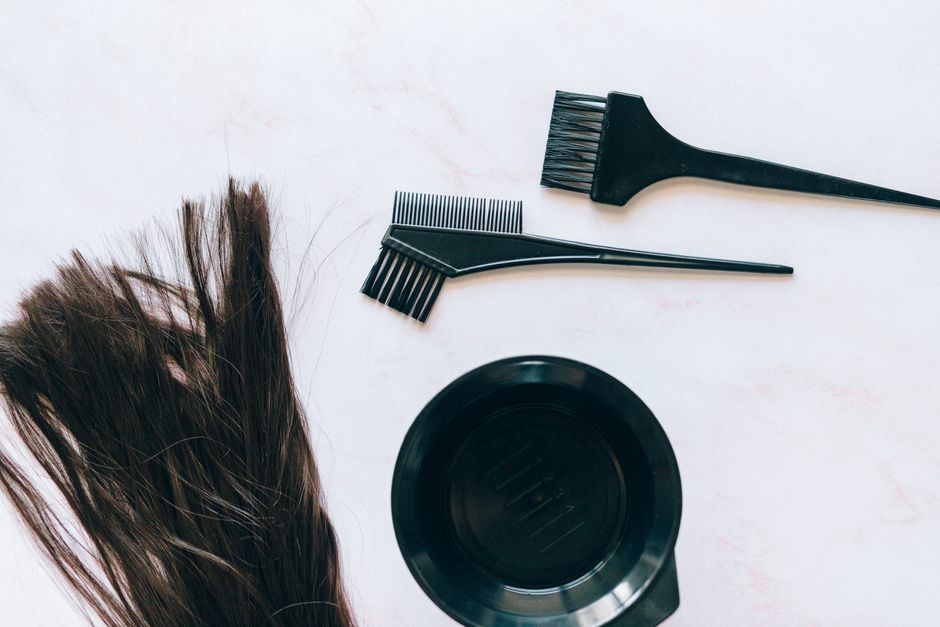
Hair bleach is a strong chemical mixture that can cause skin irritation, burns, and allergic reactions on contact. The bleach quickly penetrates the outer skin layer and can trigger a chemical burn within minutes. Immediate rinsing with cool water is the most important first step to limit damage.
What Happens If You Get Hair Bleach On Your Skin?
Hair bleach contains two main chemicals: hydrogen peroxide and ammonia. These work together to lift the natural pigment from your hair. When the mixture touches skin, it begins breaking down proteins and fats in the outer layer. This process can cause a range of reactions from mild redness to a deep chemical burn.
Within the first few minutes you may feel stinging, burning, or itching. The skin often turns red or white. In some cases small blisters form hours later. The severity depends on the bleach concentration, contact time, and your skin sensitivity.
How Long Does It Take For Hair Bleach To Burn Skin?
A noticeable burn can develop in as little as 5 to 10 minutes of contact. Higher concentrations used in salons may cause a reaction even faster. Home bleaching kits with lower peroxide levels may take longer, but damage can still occur within 15 to 20 minutes if left on the skin.
The burn is not always immediate. Some people feel nothing at first only to develop redness and pain an hour later. This delayed reaction is why it is critical to wash off any bleach immediately even if you do not feel discomfort.
What Should You Do Immediately If Bleach Gets On Your Skin?
Rinse the area with cool running water for at least 10 to 15 minutes. Do not use hot water, which can worsen the injury. Use a mild soap after the initial rinse to remove any remaining chemicals, but avoid scrubbing hard. Gently pat the skin dry with a clean towel.
Do not apply any creams, butter, or home remedies before rinsing. This can trap the chemical against the skin and prolong contact. After thorough rinsing you can apply a cold compress to soothe the area.





Can Hair Bleach Cause Permanent Skin Damage?
Permanent scarring or changes in skin color are rare but possible with deep chemical burns. Most mild to moderate burns heal within one to three weeks without lasting marks. The outer skin layer regenerates quickly. However, if the burn reaches deeper skin layers it may leave a scar or cause long-term lightening of the skin in that spot.
People with darker skin tones are at higher risk for post-inflammatory hypopigmentation — a light patch that can last months. This is not a burn scar but a temporary loss of pigment from the inflammation. It typically fades over time.
How To Treat A Hair Bleach Burn At Home
For mild redness and stinging, continue to rinse with cool water and apply a cold compress. Once the area is clean, you can use a gentle moisturizer like plain petroleum jelly or aloe vera gel to keep the skin hydrated. Avoid products with fragrances, alcohol, or active ingredients like retinol.
Do not pop any blisters. Blisters protect the healing skin underneath. If they break on their own, clean the area gently with mild soap and water and cover with a sterile bandage. Over-the-counter hydrocortisone cream (1%) can help reduce itching but should only be used on unbroken skin.
When Should You See A Doctor For A Bleach Burn?
Seek medical attention if the burn covers a large area, if blisters are widespread, or if the skin appears white or leathery — signs of a deeper burn. Also see a doctor if the pain gets worse after the first day, if signs of infection appear such as redness spreading, pus, or fever, or if the burn is on the face, eyes, or genitals.
If bleach gets in the eye, flush with clean water for at least 15 minutes and go to the emergency room immediately. Eye exposure can damage the cornea and requires prompt medical evaluation.
How To Prevent Bleach Burns When Coloring Hair At Home
Apply a thick layer of petroleum jelly or a barrier cream along the hairline, ears, and neck before you start. This creates a physical shield between the bleach and your skin. You can also wear disposable gloves and a protective cape or towel.
Work in a well-ventilated space to reduce fume irritation. Keep a damp washcloth nearby to quickly wipe off any drips. If you have sensitive skin, do a patch test on a small area of skin 48 hours before using a new bleach product.
Frequently Asked Questions
How do you know if you have a bleach burn or just irritation?
A burn typically causes persistent stinging, pain, and blistering. Irritation usually causes only temporary redness and mild tingling that fades soon after rinsing.
Can you use hair bleach on skin to lighten hair?
No. Hair bleach is not formulated for skin and can cause chemical burns. Products made for skin lightening contain different ingredients at lower concentrations.
Does hair bleach burn stop hurting after rinsing?
Rinsing removes the active chemical, so the burning sensation usually lessens within minutes. Some discomfort may persist as the skin reacts to the damage, but it should steadily improve.
What happens if you leave hair bleach on skin overnight?
Leaving bleach on skin overnight can cause a severe chemical burn with deep tissue damage, scarring, and possible infection. This requires immediate medical care.
