
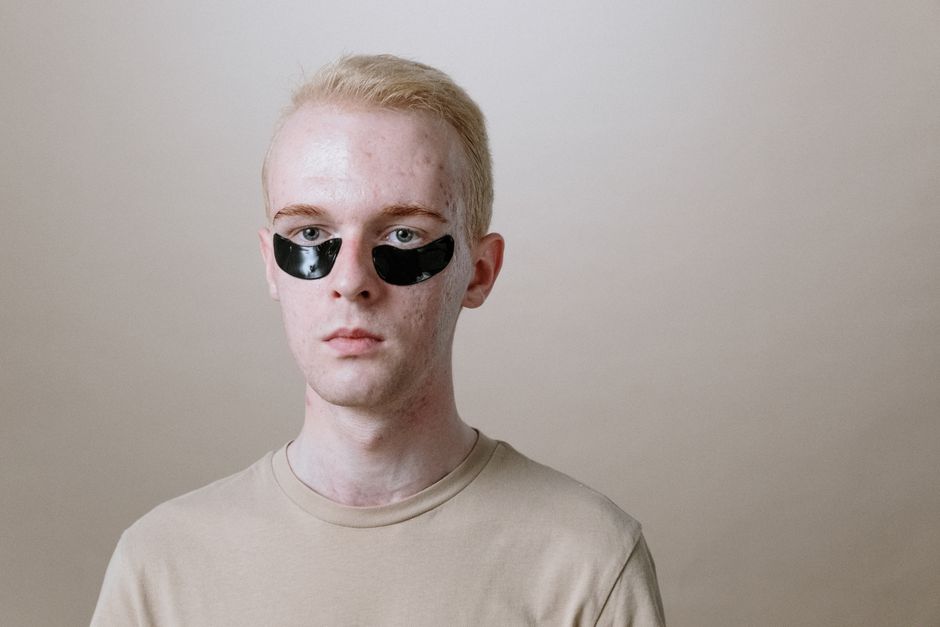
A blind pimple is a blocked pore where oil, dead skin cells, and bacteria are trapped beneath the skin’s surface. Because there is no opening, you cannot pop it the way you would a whitehead. The safest approach is to leave it alone, apply a warm compress, and use an over-the-counter acne treatment containing benzoyl peroxide or salicylic acid. If it is deep, painful, or not improving after a week or two, a dermatologist can treat it in the office.
What Exactly Is a Blind Pimple?
A blind pimple is an inflammatory acne lesion that forms deep in the pore. It has no visible white head, which is why people call it “blind.” The medical term for this type of lesion is a nodule or, if it contains pus deeper down, a cyst.
Here is what happens under the skin. Sebaceous glands produce oil. Dead skin cells shed. When oil and dead cells plug the pore, the environment becomes favorable for Cutibacterium acnes, a bacterium that normally lives on the skin. The immune system responds with inflammation. Because the blockage sits deeper than a typical blackhead or whitehead, the swelling has nowhere to go. It presses outward and sideways, which is why blind pimples often feel like a hard lump under the skin and can be tender to the touch.
This depth matters for treatment. A surface product can dry out a whitehead. It cannot easily reach a lesion that is several millimeters deep. That is why blind pimples are stubborn and why squeezing them usually makes things worse.
Why You Should Never Pop a Blind Pimple
Squeezing a blind pimple pushes bacteria and inflammation deeper into the skin. The pore has no opening, so the pressure has to go somewhere. It goes inward.
That can lead to several problems:
- Worsening infection. Bacteria get forced into surrounding tissue.
- More inflammation. The immune response intensifies, making the bump larger and more painful.
- Scarring. Deep trauma to the dermis can leave a permanent indented scar, known as an atrophic scar.
- Post-inflammatory hyperpigmentation. Dark marks that can last months, especially in people with darker skin tones.
- Spread. Picking at one lesion can introduce bacteria to nearby pores.
There is a rare but serious risk called cavernous sinus thrombosis. It occurs when an infection from the face spreads through veins to a blood vessel behind the eye. This is why doctors sometimes call the area around the nose and mouth the “danger triangle.” It is uncommon, but it is a real reason to keep hands off facial lesions, particularly deep ones.
How To Remove Blind Pimple: Tips That Actually Help
You cannot remove a blind pimple instantly. There is no safe way to extract a lesion that has not surfaced. What you can do is reduce inflammation, encourage the pore to open naturally, and prevent the situation from getting worse.
Warm compresses
A warm compress is the most commonly recommended first step. Soak a clean washcloth in warm water, wring it out, and hold it against the area for 10 to 15 minutes. Repeat a few times a day. The heat increases blood flow to the area, which can help bring the inflammation to a head and make the lesion easier for your body to resolve.
This is widely recommended by dermatologists, though formal clinical trials specifically measuring warm compress effectiveness for blind pimples are limited. The mechanism is sound, and it is low risk. Just keep the water warm, not hot, and use a clean cloth each time.
Over-the-counter treatments
Two ingredients are well established for inflammatory acne:
- Benzoyl peroxide. It kills C. acnes bacteria and helps reduce inflammation. It is available in concentrations from 2.5% to 10%. Lower concentrations are generally as effective and less irritating. Benzoyl peroxide can bleach fabrics, so use white pillowcases and towels.
- Salicylic acid. It helps break down the material blocking the pore. It is less effective for deep, inflammatory lesions than for surface blackheads and whiteheads, but it can help prevent new blockages.
Apply a thin layer to the spot, not the whole face, unless you are using a product formulated for full-face use. Follow the package directions. If your skin becomes red, dry, or peels, reduce how often you apply it.
What not to do
Skip the following:
- Do not squeeze, poke, or use a needle. This is the single most common way people make a blind pimple worse.
- Do not apply toothpaste. It contains ingredients that irritate skin and has no evidence supporting it for acne.
- Do not use heavy oils or thick moisturizers over the area, which can further clog pores.
- Do not scrub the area. Friction increases inflammation.
Give it time
A blind pimple often takes one to two weeks to resolve on its own. Some resolve faster. Some linger longer. If it is not improving after two weeks, or if it is getting larger or more painful, that is a sign to see a doctor.


When to See a Dermatologist
Some blind pimples need medical treatment. See a dermatologist if:
- The lesion is large, deep, and very painful.
- It is not improving after two weeks of home care.
- You have fever, chills, or the area is hot and spreading.
- You have repeated blind pimples in the same area.
- You are developing scars.
- The lesion is on or near your eye, nose, or mouth and seems to be worsening.
A dermatologist can inject a corticosteroid directly into the lesion. This is called an intralesional steroid injection. It reduces inflammation quickly, often within 24 to 48 hours, and is a standard in-office treatment for deep, inflamed acne lesions. It does not work for every lesion, and repeated injections in the same spot carry a small risk of skin thinning.
For people with frequent or severe nodulocystic acne, a dermatologist may prescribe oral medications. These include oral antibiotics, hormonal treatments for some women, or isotretinoin for severe cases. These are prescription decisions that require medical evaluation. They are not something to self-treat.
How to Prevent Blind Pimples From Forming
Prevention focuses on keeping pores clear and reducing inflammation triggers.
- Wash your face twice daily with a gentle, non-comedogenic cleanser. Over-washing can strip the skin and trigger more oil production.
- Use non-comedogenic products. Look for moisturizers, sunscreens, and makeup labeled as not pore-clogging.
- Remove makeup before bed. Leaving it on overnight can block pores.
- Keep hair products off your face. Oils and fragrances in hair products can contribute to acne along the hairline and forehead.
- Manage stress where you can. Stress does not directly cause acne, but it can worsen inflammation and influence hormone levels that affect oil production.
- Be consistent with treatment. If you use an acne product, give it several weeks. Most acne treatments take time to show results.
Diet is often discussed in relation to acne. The evidence is mixed. Some studies suggest that high-glycemic diets and possibly dairy may worsen acne in some people. The effect is not universal, and no single food causes acne in everyone. If you notice a pattern, it is reasonable to discuss it with a doctor or dietitian.
What About Home Remedies and Viral Hacks?
Many home remedies circulate online. Most have little or no clinical evidence behind them.
Tea tree oil has some evidence for mild acne. It is generally used diluted, not applied full-strength, because it can irritate skin. It is not a reliable treatment for deep inflammatory lesions.
Ice can reduce swelling temporarily. Wrap it in a cloth; do not put ice directly on the skin. It does not treat the underlying lesion.
Apple cider vinegar, lemon juice, garlic, and toothpaste are commonly suggested but not supported by clinical evidence for acne. Some can cause chemical burns or irritation.
Pimple patches are a popular product. They work best on whiteheads that have already surfaced. For a blind pimple with no opening, a patch is unlikely to do much beyond keeping you from picking at it, which is not nothing.
The Bottom Line
A blind pimple is a deep, inflamed lesion with no opening. You cannot safely pop it. Warm compresses, benzoyl peroxide, and patience are the mainstays of home care. If it is severe, persistent, or in a high-risk area, see a dermatologist. The most important thing you can do is keep your hands off it. Time and the right treatment will resolve most blind pimples. Picking at them is what turns a temporary bump into a lasting scar.
Frequently Asked Questions
How long does a blind pimple take to go away?
Most blind pimples resolve within one to two weeks with home care. If it is not improving after two weeks or is getting worse, see a dermatologist.
Can I pop a blind pimple with a needle?
No. Poking or piercing a blind pimple pushes bacteria and inflammation deeper and raises the risk of scarring and infection. There is no safe way to extract a lesion that has not surfaced.
What is the fastest way to get rid of a blind pimple?
A dermatologist can inject a corticosteroid into the lesion, which often reduces inflammation within 24 to 48 hours. At home, warm compresses and benzoyl peroxide are the standard first steps, but they work more slowly.
Does toothpaste help a blind pimple?
No. Toothpaste has no evidence supporting its use for acne and can irritate or burn the skin. Use a benzoyl peroxide product instead.
