
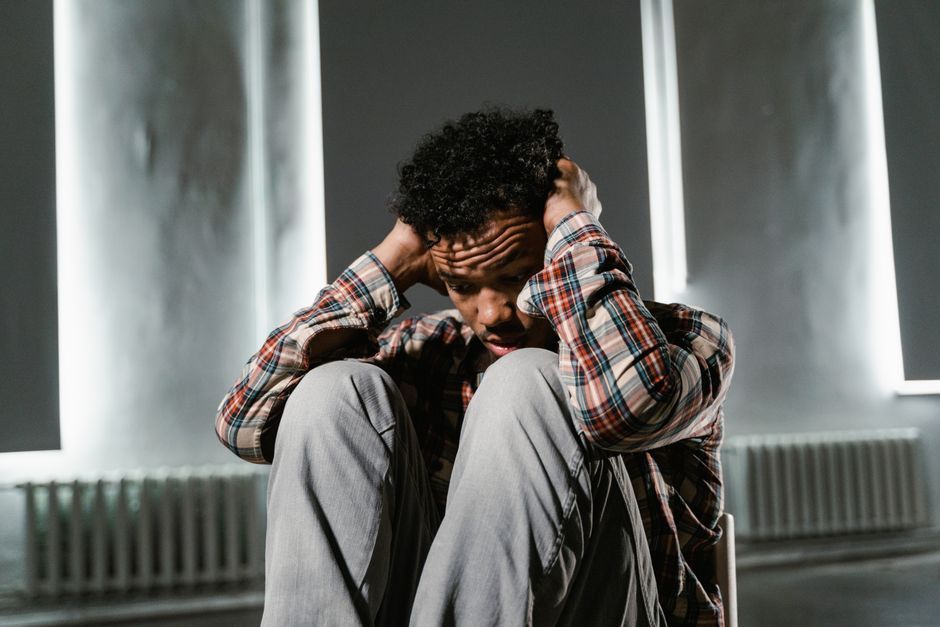
Phobias are learned fear responses, and what the brain has learned, it can unlearn. Removing a phobia for good does not mean erasing the memory of the fear; it means changing how your brain processes the trigger so it no longer produces a panic response. The most effective method for achieving this is exposure therapy, a structured psychological treatment that gradually teaches your brain the feared object or situation is not actually dangerous.
What Exactly Is a Phobia in the Brain?
A phobia is more than just fear. It is an intense, irrational fear of a specific object, situation, or activity that poses little to no actual danger. Common examples include heights, flying, spiders, needles, or enclosed spaces.
In the brain, a phobia involves the amygdala, the region responsible for processing fear. When you encounter your trigger, the amygdala sends a distress signal before your rational thinking brain, the prefrontal cortex, can evaluate the situation. This is why phobic reactions feel automatic and uncontrollable.
This fear response is actually a learned association. Your brain has linked the trigger with danger, often after a single traumatic event or through repeated exposure to fearful information. Because it is a learned pathway, it can be modified with the right techniques.
How To Remove A Phobia From Your Mind For Good: The Core Method
The gold-standard treatment for phobias is exposure therapy, a form of cognitive behavioral therapy (CBT). Research consistently shows it is highly effective, often after just a few sessions.
Exposure therapy works by breaking the association between the trigger and the fear response. You face the feared object or situation in a controlled, gradual way. Over time, your brain learns that nothing bad happens, and the fear response naturally weakens. This process is called habituation.
The key is to stay in the situation long enough for your anxiety to peak and then come down. Leaving too early reinforces the fear because your brain learns that escaping was what kept you safe. Staying until the anxiety drops teaches your brain the situation is safe.
Why Avoidance Makes Phobias Worse
Avoidance is the fuel that keeps a phobia alive. Every time you avoid your trigger, you feel relief. That relief reinforces the belief that the situation was dangerous and you needed to escape it.
This creates a vicious cycle. The more you avoid, the more your brain confirms the threat is real. The phobia grows stronger even though you never actually face any danger.
Breaking this cycle requires confronting the trigger, but it does not have to be a full confrontation immediately. Exposure is always done in a step-by-step manner, starting with situations that cause only mild anxiety and working up to the most feared scenarios.





Building a Fear Hierarchy: Your Step-by-Step Plan
A fear hierarchy is a list of situations related to your phobia, ranked from least to most anxiety-provoking. This is the roadmap used in exposure therapy.
For someone afraid of flying, the hierarchy might look like this:
- Looking at pictures of airplanes
- Watching videos of airplanes taking off
- Visiting an airport and watching planes land
- Sitting in a stationary airplane
- Taking a short flight with a supportive person
- Taking a flight alone
You start at the bottom of the list and work your way up. You only move to the next step once your anxiety has significantly decreased at the current step. This gradual approach is what makes exposure tolerable and effective.
Working with a licensed therapist is the safest way to build and follow this hierarchy. A therapist can help you design the steps, support you through the process, and ensure you do not push yourself too fast.
What About Cognitive Techniques and Relaxation?
Exposure therapy is sometimes combined with cognitive restructuring, which involves identifying and challenging the irrational thoughts that fuel the phobia. For example, someone afraid of dogs might believe every dog will bite them. Cognitive restructuring helps examine the evidence for and against that belief.
Relaxation techniques like deep breathing or progressive muscle relaxation can help manage the physical symptoms of anxiety during exposure. However, they are tools to help you stay in the situation, not escape it. The goal is not to feel relaxed; the goal is to learn that you can tolerate the anxiety and that it will pass.
Some therapists caution against using relaxation as a safety behavior. If you rely on it to get through an exposure, your brain may learn that you need the relaxation technique to be safe. The goal is to eventually face the trigger without any coping aids.
Can Virtual Reality Help With Phobias?
Virtual reality exposure therapy (VRET) is an emerging and effective alternative to real-world exposure. It uses a headset to create realistic, controlled simulations of the feared situation.
Research indicates that VRET can be as effective as in-person exposure for certain phobias, particularly fear of flying, heights, and spiders. It offers the advantage of being fully controlled by the therapist, who can adjust the intensity of the simulation in real time.
VRET is not available everywhere, but it is becoming more common in clinics and research settings. It is a valid option if in-person exposure is impractical or too overwhelming to start with.
How Long Does It Take to Overcome a Phobia?
The timeline varies depending on the severity of the phobia and the consistency of treatment. Some people see significant improvement in a single, prolonged exposure session. Others need several weeks or months of weekly sessions.
One-session treatment, a specific intensive format of exposure therapy, has shown strong results for many specific phobias. It involves a single, prolonged session lasting up to three hours.
What matters most is consistency and follow-through. The skills you learn in therapy need to be practiced in real life. Continuing to face your trigger after treatment ends is what prevents the phobia from returning.
When To Seek Professional Help
If a phobia is interfering with your daily life, relationships, or ability to work, professional help is warranted. You do not need to hit rock bottom to seek support.
A licensed mental health professional, such as a psychologist or psychiatrist, can diagnose a specific phobia and recommend the appropriate treatment. Look for a therapist who specializes in CBT or exposure therapy.
Medication is sometimes used in conjunction with therapy, particularly for severe anxiety. Anti-anxiety medications or beta-blockers can reduce physical symptoms, but they do not cure the phobia. They are a temporary aid, not a long-term solution.
There is no clinical evidence that supplements, herbal remedies, or self-help apps alone can cure a phobia. Some may help with general anxiety, but they do not address the learned fear response at the root of the phobia.
Frequently Asked Questions
Can I cure my phobia without seeing a therapist?
Some people successfully reduce their phobia using self-guided exposure, but working with a therapist is more effective and safer. A therapist ensures you progress at the right pace and helps you avoid reinforcing the fear.
Is exposure therapy the same as just facing my fear?
Exposure therapy is a structured, gradual version of facing your fear, not a sudden plunge into the most terrifying scenario. It follows a planned hierarchy and teaches your brain a new response over time.
Why do I still feel fear even when I know it is irrational?
Your amygdala reacts faster than your rational brain, so the fear response happens before you can reason with yourself. This is why knowledge alone rarely cures a phobia and why exposure is needed to retrain the brain.
Will my phobia come back after treatment?
Phobias can return if you stop practicing what you learned and start avoiding the trigger again. Continuing to face the situation periodically is the best way to keep the fear from returning.
