

An exposed nerve in a tooth causes some of the most intense pain a person can experience. The pain often strikes without warning, sharp and sudden, when cold air hits the tooth or when you take a sip of hot coffee. The good news is you can take steps right now to relieve the pain while you arrange professional dental care. The most effective immediate steps are avoiding triggers, using over-the-counter pain relievers, and applying a cold compress. These measures reduce symptoms temporarily, but they do not treat the underlying problem — only a dentist can do that.
What Does an Exposed Tooth Nerve Actually Feel Like?
Tooth pain from an exposed nerve is usually sharp and sudden rather than dull and constant. Many people describe it as a jolt or a shooting sensation that radiates through the jaw. The pain is often triggered by specific things — cold drinks, hot food, sweet foods, or even breathing in cold air.
The pain can also be throbbing and persistent. This often means the nerve is inflamed, a condition dentists call pulpitis. When the inflammation is mild and reversible, the pain may stop once the trigger is removed. When it is severe and irreversible, the pain lingers for minutes or hours after the trigger is gone.
You may also notice sensitivity when you bite down or press on the tooth. This can mean the inflammation has spread beyond the nerve to the tissues around the root. This type of pain often signals a more advanced problem that needs prompt attention.
What Causes a Tooth Nerve to Become Exposed?
The nerve of a tooth sits in the pulp chamber, deep inside the tooth. It is normally protected by layers of enamel and dentin. When those layers wear away or are damaged, the nerve becomes exposed to the environment of your mouth.
The most common causes include:
- Tooth decay — cavities that penetrate through enamel and dentin to reach the pulp.
- Receding gums — gum tissue pulls away from the tooth, exposing the root surface, which is thinner and less protective than enamel.
- Cracked or chipped teeth — fractures can create a direct pathway to the nerve.
- Worn tooth enamel — from aggressive brushing, teeth grinding, or acidic foods and drinks.
- Failed dental work — an old filling or crown that has broken down can leave the inner tooth vulnerable.
Understanding the cause matters because it determines the treatment. A small cavity may only need a filling. A deep crack or severe decay may require a root canal. Gum recession may be managed with a desensitizing agent or gum graft. The right treatment depends on what a dentist finds during an examination.
Simple Steps to Relieve Tooth Pain from an Exposed Nerve Right Now
Several home measures can reduce pain while you wait for dental care. None of these cure the problem, but they can make the hours before your appointment more bearable.
Cold compress. Apply an ice pack wrapped in a thin cloth to the outside of your cheek over the painful area. Use it for 15 minutes on and 15 minutes off. The cold constricts blood vessels, which reduces swelling and numbs the area. Do not apply ice directly to the tooth itself — this can worsen sensitivity.
Over-the-counter pain relievers. Ibuprofen and acetaminophen are the most commonly recommended options for dental pain. Ibuprofen reduces inflammation, which is often the source of the pain. Acetaminophen relieves pain but does not reduce inflammation. Follow the dosing instructions on the package and do not exceed the recommended dose. If you have medical conditions or take other medications, ask a pharmacist or doctor before taking anything.
Saltwater rinse. Dissolve half a teaspoon of salt in a glass of warm water and swish it gently around your mouth. This helps clean the area and can reduce mild inflammation. Do not swallow the rinse. This is a temporary measure and does not treat an exposed nerve.
Avoid triggers. Stay away from hot, cold, sweet, or acidic foods and drinks until you see a dentist. Chew on the opposite side of your mouth. Choose soft foods that require little chewing. Room-temperature water is the safest beverage.
Keep the area clean. Gently brush and floss around the painful tooth. Food debris can irritate the area further and increase pain. Be careful not to brush aggressively, which can worsen gum irritation.
Elevate your head. When lying down, prop your head up with extra pillows. Keeping your head elevated reduces blood flow to the area, which can lessen throbbing pain.
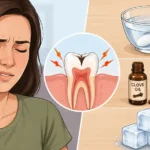




What Not to Do for an Exposed Tooth Nerve
Some popular home remedies are not effective and can make things worse.
Do not put aspirin directly on the tooth or gum. This is an old folk remedy that does not work. Aspirin is acidic and can burn the soft tissues of your mouth. It does not relieve pain when applied topically to a tooth.
Do not use alcohol-based mouthwashes. These can irritate an already sensitive area and increase pain. Stick to a saltwater rinse or plain warm water.
Do not use essential oils directly on the tooth. Clove oil is sometimes mentioned as a natural remedy for tooth pain. Some research suggests clove oil has numbing properties, but the evidence is limited and the oil can irritate gum tissue if used incorrectly. If you choose to try it, use a very small amount diluted in a carrier oil and apply it only to the tooth with a cotton swab. Stop if it causes burning or irritation. No large clinical trials have confirmed clove oil is a reliable treatment for exposed nerve pain.
Do not ignore the pain. An exposed nerve will not heal on its own. The nerve cannot repair itself once it is damaged. Delaying treatment allows the problem to progress, and the pain typically gets worse over time.
When to See a Dentist for Exposed Nerve Pain
You should see a dentist as soon as possible if you have tooth pain that lasts more than a day or two. The sooner you are evaluated, the more treatment options you will have.
Seek emergency dental care if you experience any of the following:
- Swelling in your face, cheek, or jaw
- Fever
- Difficulty swallowing or breathing
- Pain that is severe enough to interfere with sleep or daily activities
- A tooth that is loose or visibly cracked
These symptoms can indicate a serious infection that has spread beyond the tooth. A dental abscess is a pocket of pus caused by bacterial infection. If it is not treated, the infection can spread to other parts of the face and body. This is a medical emergency.
For less urgent cases, schedule an appointment within a few days. A dentist will examine the tooth, take X-rays if needed, and determine the cause of the pain. Treatment may include a filling, a crown, a root canal, or extraction depending on how much damage is present.
How a Dentist Treats an Exposed Tooth Nerve
Dental treatment for an exposed nerve depends on the cause and the extent of the damage.
If the nerve is only mildly irritated, a dentist may place a filling or crown to protect it. This is only possible when the inflammation is reversible and the nerve is still healthy enough to recover.
If the nerve is severely damaged or infected, a root canal is usually the recommended treatment. During a root canal, the dentist removes the damaged nerve and pulp from inside the tooth, cleans the space, and seals it. The tooth remains in place but is no longer sensitive to temperature because the nerve has been removed. Contrary to popular belief, root canals are not especially painful. The procedure is performed with local anesthesia, and most people report that the procedure itself is no more uncomfortable than getting a filling.
In cases where the tooth is too damaged to save, extraction may be the only option. Removing the tooth eliminates the pain but leaves a gap that may require a dental implant or bridge to prevent other teeth from shifting.
Antibiotics may be prescribed if there is an active infection. Antibiotics treat the infection but do not fix the underlying tooth problem. The tooth still needs dental treatment.
Can You Prevent an Exposed Tooth Nerve?
Many causes of exposed nerves are preventable with consistent oral care.
Brush twice a day with fluoride toothpaste. Floss daily to remove plaque between teeth where a toothbrush cannot reach. See a dentist for checkups and cleanings at least once a year, or more often if recommended. These habits prevent cavities and gum disease, which are the two leading causes of exposed tooth nerves.
If you grind your teeth at night, talk to your dentist about a mouthguard. Grinding wears down enamel over time and can eventually expose the nerve. A custom-fitted guard protects your teeth while you sleep.
Limit sugary and acidic foods and drinks. Sugar feeds the bacteria that cause cavities. Acid erodes enamel directly. Water is the best choice for hydration, especially between meals.
If you notice tooth sensitivity that lasts more than a few days, do not wait. Early treatment is simpler and less expensive than treatment for advanced problems. A small cavity caught early may only need a filling. The same cavity left untreated can require a root canal or extraction.
Frequently Asked Questions
How long can I wait before seeing a dentist for exposed nerve pain?
You should see a dentist within a few days, and immediately if you have swelling, fever, or severe pain. An exposed nerve will not heal on its own and delaying treatment makes the problem worse.
Will a root canal stop the pain from an exposed nerve?
Yes, a root canal removes the damaged nerve and eliminates the pain from that tooth. The procedure is done with local anesthesia and is not more painful than getting a filling.
Can clove oil relieve exposed nerve pain?
Some research suggests clove oil has numbing properties, but the evidence is limited and it can irritate gum tissue. It is not a substitute for professional dental care.
Is an exposed tooth nerve a dental emergency?
Not always, but it requires prompt attention. See a dentist within a few days, or go to an emergency room if you have facial swelling, fever, or difficulty swallowing.
