
Sciatica pain in the buttocks can stop you in your tracks. The good news is that most cases improve within a few weeks with the right approach. Relief starts with gentle movement, targeted stretching, and heat or cold therapy, while more persistent pain may require professional treatment. The key is to stay active within your pain limits and avoid prolonged sitting, which puts direct pressure on the sciatic nerve.
What Causes Sciatica Pain in the Buttocks?
Sciatica is not a condition itself. It is a symptom. The pain comes from irritation or compression of the sciatic nerve, which is the longest nerve in your body. It runs from your lower spine, through your buttocks, and down the back of each leg.
The most common cause is a herniated disc in the lumbar spine. When the soft center of a spinal disc pushes out and presses on a nerve root, pain can radiate along the nerve’s path. Other causes include bone spurs, spinal stenosis, or tight muscles in the buttocks that compress the nerve.
People often describe the pain as sharp, burning, or electric. It may feel like a deep ache in one side of the buttock. Some people also feel numbness, tingling, or weakness in the leg or foot. If the pain is in both buttocks or both legs, that is less typical of sciatica and warrants a medical evaluation.
How To Relieve Sciatica Pain In The Buttocks: What Works First
For sudden onset pain, start with heat or cold therapy. Cold packs can reduce inflammation in the first 48 hours. Apply an ice pack wrapped in a thin towel for 15 to 20 minutes several times a day. After the first two days, switch to a heating pad to relax tight muscles and improve blood flow.
Gentle movement is more effective than bed rest. Prolonged bed rest weakens muscles and can make pain worse. Short walks every hour or two help keep the nerve mobile and prevent stiffness. Stop if walking increases the pain significantly.
Over-the-counter pain relievers like ibuprofen or naproxen can reduce inflammation. Acetaminophen helps with pain but does not reduce inflammation. Always follow the dosing instructions on the label and check with a pharmacist if you take other medications or have health conditions.
Sleep position matters. Sleeping on your side with a pillow between your knees keeps your spine aligned and reduces pressure on the nerve. If you sleep on your back, place a pillow under your knees to maintain the natural curve of your lower back.
Stretches That Target Sciatic Nerve Pain
Stretching helps by reducing muscle tension around the nerve and improving mobility. The goal is gentle lengthening, not forcing through pain. A mild pulling sensation is normal. Sharp or shooting pain means you have gone too far.
The glute stretch is one of the most effective moves. Lie on your back with both knees bent. Cross one ankle over the opposite knee. Gently pull the uncrossed leg toward your chest until you feel a stretch in the buttock. Hold for 30 seconds and repeat on the other side.
The knee-to-chest stretch targets the lower back. Lie on your back with both knees bent. Pull one knee toward your chest, keeping the other foot flat on the floor. Hold for 30 seconds, then switch legs. This gently mobilizes the lumbar spine where nerve compression often starts.
The seated spinal twist helps relieve pressure on the lower back. Sit on the floor with both legs extended. Bend one knee and place the foot on the outside of the opposite leg. Twist your torso toward the bent knee, using your opposite elbow for leverage. Hold for 30 seconds and switch sides.
Perform these stretches twice daily. Consistency matters more than intensity. Over weeks, gentle daily stretching is more effective than occasional aggressive stretching.





When to See a Doctor for Sciatica
Most sciatica cases improve within four to six weeks. But some symptoms require prompt medical attention. Seek care immediately if you experience loss of bladder or bowel control, numbness in the groin area, or weakness in both legs. These can signal cauda equina syndrome, a rare but serious condition requiring emergency surgery.
See a doctor within a few days if the pain follows a fall or injury, if you have fever, or if the pain is severe and getting worse. Also seek care if you have numbness or weakness that affects your ability to walk or stand normally.
If pain lasts longer than six weeks despite home treatment, a medical evaluation is appropriate. Your doctor may recommend physical therapy, prescription medication, or imaging studies to identify the exact cause of nerve compression.
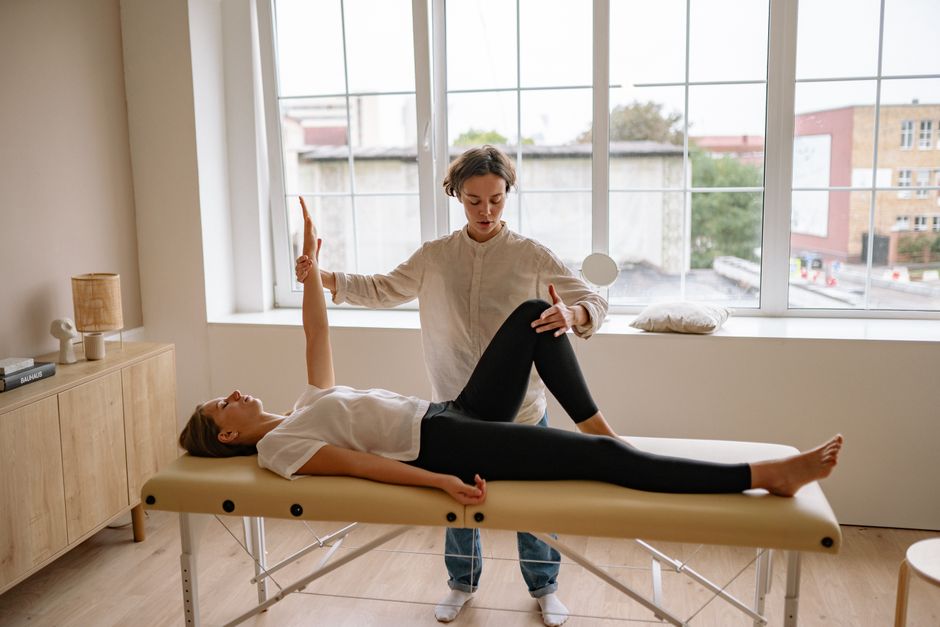
Physical therapy is one of the most effective treatments for sciatica. A therapist can identify muscle imbalances and teach you specific exercises for your condition. Therapy typically focuses on strengthening the core, improving posture, and increasing flexibility in the spine and hips.
Are There Effective Medical Treatments?
When home care is not enough, several medical treatments have good evidence behind them. Physical therapy is usually the first professional recommendation. Studies consistently show that structured exercise programs reduce pain and improve function in people with sciatica.
Prescription muscle relaxants or stronger anti-inflammatory medications may help short-term. These do not treat the underlying cause but can make recovery more comfortable. Your doctor will decide if these are appropriate for your situation.
Epidural steroid injections are an option for severe pain that limits daily activities. A doctor injects corticosteroid medication near the affected nerve root to reduce inflammation. These injections can provide relief for weeks to months, but they are not a permanent solution. The underlying cause of nerve compression remains.
Surgery is reserved for specific situations. These include progressive weakness, loss of bladder or bowel control, or severe pain that does not improve after six to eight weeks of conservative treatment. The most common procedure is a microdiscectomy, where the surgeon removes the portion of disc pressing on the nerve. Most people who have surgery experience significant pain relief.
What About Massage and Alternative Therapies?
Massage can help relieve muscle tension in the buttocks and lower back. Tight gluteal muscles can contribute to nerve compression, particularly when the piriformis muscle is involved. The piriformis is a small muscle deep in the buttock that the sciatic nerve passes near or through. When this muscle is tight, it can irritate the nerve.
Deep tissue massage or trigger point therapy may provide temporary relief. Some people find regular massage helpful as part of a broader treatment plan. The evidence for massage specifically treating sciatica is limited, but many people report symptom improvement.
Chiropractic manipulation is another option some people try. Spinal adjustment may improve spinal alignment and reduce nerve irritation. Some studies suggest it helps with low back pain, but evidence specifically for sciatica is mixed. If you try chiropractic care, choose a practitioner who performs a thorough assessment before treatment.
Acupuncture has some evidence for pain relief in general. A trained practitioner inserts thin needles at specific points to stimulate nerves and muscles. Some people with sciatica report reduced pain after acupuncture sessions. Results vary from person to person, and more research is needed.
How to Prevent Sciatica From Returning
Once the acute pain subsides, focus on prevention. Core strength is the foundation. Strong abdominal and back muscles support the spine and reduce pressure on the discs. Planks, bridges, and bird-dog exercises are safe starting points for most people.
Pay attention to how you lift. Use your legs, not your back. Hold objects close to your body and avoid twisting while lifting. If you work at a desk, use a chair with good lumbar support and stand up every 30 to 60 minutes.
Maintain a healthy weight. Excess weight, especially around the midsection, increases stress on the lower spine. Even modest weight loss can reduce pressure on the nerve roots.
Stay active with low-impact exercise. Walking, swimming, and cycling are gentler on the spine than running or high-impact activities. Regular movement keeps the spinal discs hydrated and the surrounding muscles conditioned.
What Does Not Help Sciatica
Several popular treatments lack evidence. Traction devices that stretch the spine are not supported by research for treating sciatica. Some people find temporary relief, but no consistent evidence shows long-term benefit.
Prolonged bed rest is not recommended. It weakens muscles and can delay recovery. Light activity within pain tolerance is better than complete rest.
Be cautious with online claims about “nerve flossing” or aggressive stretching programs. Nerve gliding exercises can help some people, but they can also aggravate symptoms if done incorrectly. Work with a physical therapist to learn proper technique.
Frequently Asked Questions
How long does sciatica pain in the buttocks last?
Most cases improve within four to six weeks with conservative care. If pain lasts longer than six weeks, a medical evaluation is recommended.
Is walking good for sciatica pain?
Short, gentle walks can help by keeping the nerve mobile and preventing stiffness. Stop if walking significantly increases your pain.
Can sitting make sciatica worse?
Yes, prolonged sitting puts direct pressure on the sciatic nerve and can worsen symptoms. Stand up and move every 30 to 60 minutes.
What is the fastest way to relieve sciatica pain?
Alternating heat and cold therapy combined with gentle stretching provides the fastest relief for most people. Over-the-counter anti-inflammatory medication can also help in the short term.
