
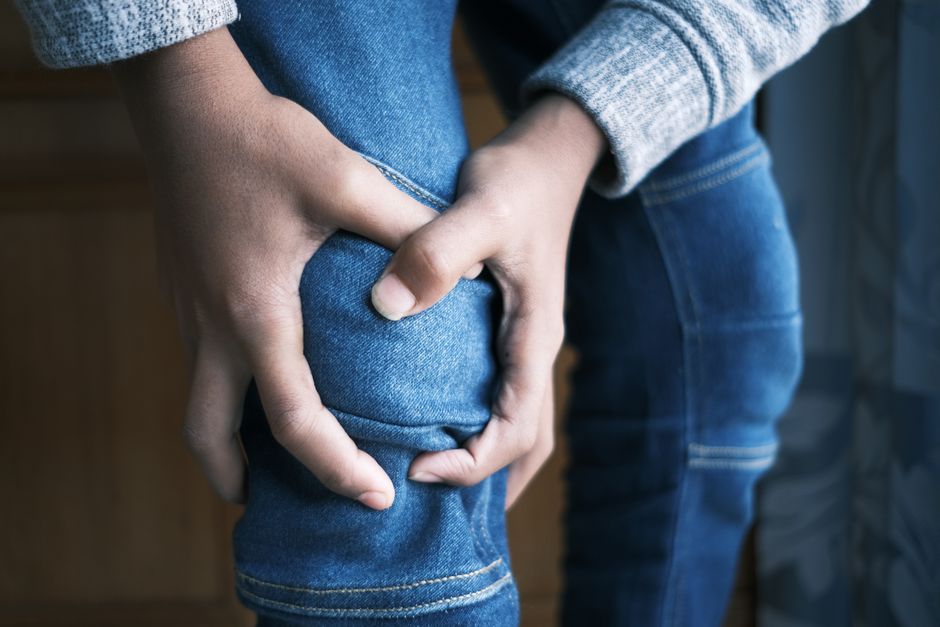
Knee pain can stop you from doing the things you love. Walking up stairs, playing with your kids, or just getting out of a chair can feel like a battle. The good news is that most knee pain can be managed with simple, proven steps. The most effective approach combines strengthening your leg muscles, managing your weight, and using the right treatments at the right time. What works best is not a single miracle fix, but a consistent plan built on exercise and smart daily habits.
Why Do My Knee Joints Hurt?
Knee pain usually comes from wear and tear, injury, or inflammation. The most common cause for adults over 40 is osteoarthritis. This happens when the cartilage that cushions the bones wears down over time. Without that cushion, bones rub against each other, causing pain and stiffness.
Other causes include tendinitis, bursitis, or injuries to the ligaments or meniscus. Sometimes pain comes from poor movement patterns. Weak thigh muscles, for example, put extra stress on the knee joint with every step you take.
Understanding the cause matters because treatment differs. Osteoarthritis responds well to exercise and weight loss. A torn ligament may need different care. If your knee is swollen, red, or painful to touch, see a doctor. Sudden pain after an injury also needs professional evaluation.
What Is the Best Exercise for Knee Pain?
Exercise is the single most effective way to relieve pain in knee joints. It sounds counterintuitive. Moving a painful joint seems like it would make things worse. But the research consistently shows that targeted exercise reduces pain and improves function better than doing nothing.
The key is strengthening the muscles that support the knee. Your quadriceps, hamstrings, and glutes act as shock absorbers. Stronger muscles take pressure off the joint itself. When your thigh muscles are weak, your knee takes the full force of your body weight. When they are strong, they share that load.
Low-impact activities are best. Walking, swimming, cycling, and using an elliptical machine all get your heart rate up without slamming your joints. Avoid high-impact activities like running on hard pavement or jumping, especially when your knee is already painful.
Start slowly. If you have not exercised in a while, begin with short sessions. Ten minutes of walking is a fine starting point. Add a few minutes each week. The goal is consistency, not intensity.
What Strengthening Exercises Help the Most?
Specific strengthening exercises target the muscles that protect your knee. These are simple enough to do at home with no equipment.
Straight leg raises work your quadriceps without bending the knee. Lie on your back with one leg bent and the other straight. Lift the straight leg about 12 inches off the floor. Hold for three seconds and lower slowly. Do ten repetitions on each side.
Wall sits build strength in your thighs and glutes. Stand with your back against a wall and slide down until your knees are bent at a 90-degree angle. Hold for 20 to 30 seconds. If that is too hard, hold a higher position. Never let your knees go past your toes.
Hamstring curls strengthen the back of your thigh. Stand holding onto a chair for balance. Bend one knee, bringing your heel toward your buttocks. Lower slowly and repeat ten times on each leg.
These exercises work best when done regularly. Aim for two to three sessions per week. Muscle soreness is normal at first, but sharp pain means you are pushing too hard. Back off and reduce the range of motion.





Can Weight Loss Actually Reduce Knee Pain?
Yes, and the effect is significant. Every pound of body weight puts roughly four pounds of pressure on your knee joints. Losing just ten pounds removes about forty pounds of force from your knees with every step.
Weight loss is one of the most powerful tools for relieving pain in knee joints, especially for osteoarthritis. Studies have shown that people who lose weight and exercise experience less pain and better function than those who only exercise or only diet.
This does not mean you need to reach an ideal body weight to feel better. Even modest weight loss of five to ten percent of your body weight can reduce pain. For a 200-pound person, that is ten to twenty pounds.
Focus on small, sustainable changes. Reduce portion sizes. Cut back on sugary drinks. Add more vegetables to your meals. Slow and steady weight loss is more likely to stick than crash dieting.
When Should I Use Ice or Heat?
Ice and heat are simple tools that work in different situations. Using the right one at the right time makes a real difference.
Ice reduces inflammation and numbs pain. Use it after exercise or when your knee is swollen and hot. Apply an ice pack wrapped in a thin towel for 15 to 20 minutes. Do not put ice directly on your skin, as it can cause frostbite. Ice is most helpful in the first few days after an injury or after a workout that caused a flare-up.
Heat relaxes muscles and increases blood flow. Use it when your knee feels stiff, especially in the morning. A warm towel, heating pad, or warm bath can loosen things up. Apply heat for 15 to 20 minutes before activity or stretching.
Some people find alternating ice and heat helpful. Start with heat to loosen the joint, then finish with ice to reduce any inflammation. Listen to your body. If one feels better, use that one.
Do Pain Relievers and Supplements Really Work?
Over-the-counter pain relievers can help manage flare-ups. Acetaminophen (Tylenol) reduces pain but does not reduce inflammation. Nonsteroidal anti-inflammatory drugs (NSAIDs) like ibuprofen (Advil, Motrin) and naproxen (Aleve) reduce both pain and inflammation.
Use these medications as directed on the label. Long-term daily use of NSAIDs can irritate your stomach and affect your kidneys. If you need pain relievers most days, talk to your doctor about safer options.
Topical creams and gels containing NSAIDs or capsaicin can provide localized relief with fewer side effects than oral medications. These are worth trying, especially if you prefer to avoid pills.
Supplements are a different story. Glucosamine and chondroitin are widely marketed for knee pain. The evidence is mixed. Some studies show modest benefit for certain people, while others show no benefit over placebo. The supplements are generally safe, but they are not a substitute for exercise and weight loss.
Be cautious about any supplement promising quick relief. No supplement has been proven to reverse cartilage damage or cure arthritis. If you try one, give it at least two to three months before judging whether it helps. And always tell your doctor what supplements you are taking.
What Does Not Work for Knee Pain?
Some popular treatments have little evidence behind them. Knowing what does not work can save you time and money.
Rest alone is not the answer. Complete rest weakens your muscles and makes your knee more painful over time. Short periods of rest during a flare-up are fine, but prolonged inactivity is counterproductive.
Knee braces have mixed evidence. Simple compression sleeves may provide comfort and support, but they do not correct structural problems. Unloader braces, which shift weight away from a damaged part of the knee, help some people with osteoarthritis but not everyone.
Shockwave therapy and laser therapy are often marketed for knee pain. The evidence for these treatments is limited. Some people report benefit, but large studies have not confirmed consistent results.
Injections like corticosteroids and hyaluronic acid can provide temporary relief. Steroid injections reduce inflammation quickly but do not last long. Hyaluronic acid injections, sometimes called gel injections, aim to lubricate the joint. Evidence on their effectiveness is mixed, and results vary widely from person to person.
When Should I See a Doctor?
See a doctor if your knee pain is severe, lasts more than a few weeks, or interferes with your daily life. Seek immediate medical attention if your knee looks deformed, you cannot bear weight on it, or you heard a popping sound at the time of injury.
Red flags include significant swelling, redness, warmth, or fever. These can indicate infection or a serious injury that needs urgent care.
Your doctor can diagnose the cause of your pain and recommend appropriate treatment. They may suggest physical therapy, which can provide a structured exercise program tailored to your specific needs. Physical therapy is one of the most effective treatments for knee pain, and the skills you learn can help you manage your knee for years.
In some cases, surgery is necessary. But surgery is typically a last resort after conservative treatments have failed. Most people with knee pain can find meaningful relief without going under the knife.
Frequently Asked Questions
How long does it take for knee pain to improve with exercise?
Most people notice some improvement within four to six weeks of consistent exercise. Significant improvement usually takes two to three months.
Is walking good for knee pain?
Yes, walking is one of the best activities for knee pain when done in moderation. Start with short walks and gradually increase your time as your knee tolerates it.
Can knee pain go away permanently?
Knee pain can be managed effectively, but underlying conditions like osteoarthritis are not curable. With consistent exercise and weight management, many people experience long periods without significant pain.
What is the fastest way to relieve knee pain?
Ice, rest, and an over-the-counter anti-inflammatory medication can provide quick relief during a flare-up. For lasting relief, strengthening exercises and weight loss are the most effective long-term strategies.
