
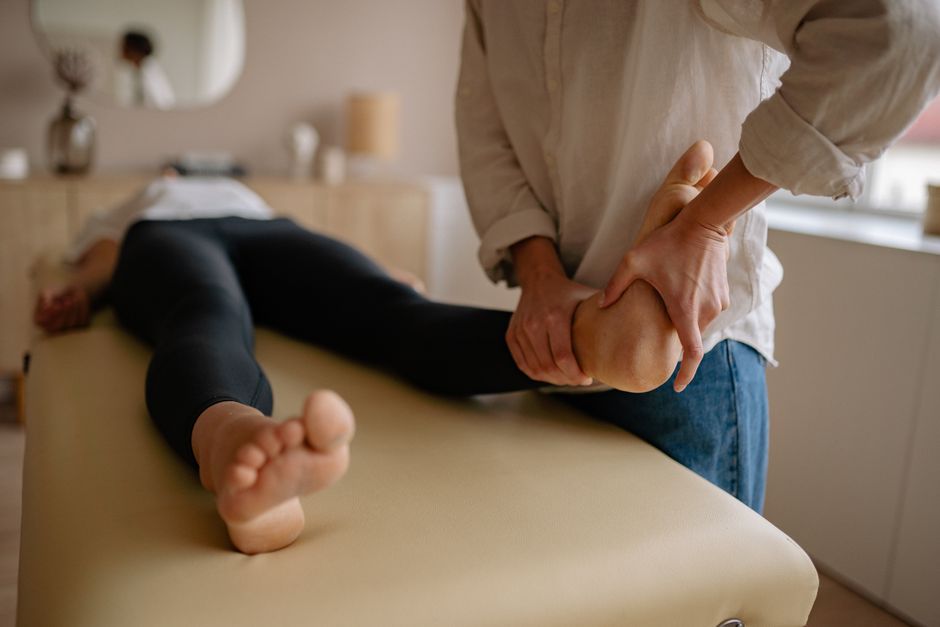
Foot pain after a long walk is usually a load problem, not a sign that something is permanently wrong. The most effective relief combines three things: rest the foot, reduce swelling with ice and elevation, and take pressure off the sore area with better shoes and a temporary cutback in distance. Most walking-related foot pain settles within a few days to a couple of weeks if you stop repeating whatever caused it.
Why Do My Feet Hurt After Walking Too Much?
Walking is repetitive. A mile of walking means roughly 2,000 steps, and each step loads your feet with a force greater than your body weight. Do that for several miles and the small structures in your feet — tendons, fascia, joint linings, and the fat pads under your heel — absorb thousands of those loads in a row.
Pain after a long walk usually comes from one of a few places. It can be simple tissue overload, where muscles and tendons are asked to do more than they are conditioned for. It can be inflammation in the plantar fascia, the thick band of tissue running along the bottom of the foot. It can be irritation of a nerve, a stress reaction in a bone, or pressure from shoes that do not fit the shape of your foot.
Duration and load matter more than distance alone. Two hours on flat pavement is very different from two hours on hills, sand, or uneven trails. Carrying extra weight, walking in worn-out shoes, or suddenly increasing your mileage all raise the strain on the same tissues.
One thing worth knowing: foot pain that starts during a walk and eases with rest behaves differently from pain that is worse the next morning. Morning pain with the first steps out of bed points more toward the plantar fascia, while pain that builds steadily during activity can suggest a bone stress injury. These patterns matter when you decide what to do next.
What Should You Do Right After a Painful Walk?
Stop walking and get off your feet. Continuing to push through pain usually makes the tissue damage worse and extends recovery time.
Then work through these steps:
- Rest. Avoid the activity that caused the pain for a few days. You do not need total bed rest — normal daily movement is fine.
- Ice. Apply a cold pack wrapped in a thin cloth for about 15 to 20 minutes at a time, a few times a day. Never put ice directly on bare skin.
- Elevate. Raise the foot above the level of your heart when you can. This helps reduce swelling.
- Compression. A snug (not tight) elastic wrap or compression sock can limit swelling. Remove it if toes go numb, tingle, or change color.
- Over-the-counter pain relief. Medications like ibuprofen or acetaminophen are commonly used for short-term relief. Ibuprofen is an anti-inflammatory, but it is not right for everyone — check with a pharmacist or doctor if you have stomach, kidney, or heart conditions, or take other medications.
These measures reduce symptoms. They do not fix the underlying cause, which is why the next steps matter just as much.
How Do You Take Pressure Off a Sore Foot?
Change what your foot is doing, not just how much you rest. Load management is the single biggest lever you have.
Cut your walking distance by roughly half for a week or two, then build back up slowly. A common approach is to increase weekly distance by no more than about 10 percent at a time. This is general training guidance rather than a proven threshold, but it reflects how tendons and bones adapt to load.
Look at your shoes. Worn-out soles, collapsed cushioning, and shoes that are too narrow all concentrate pressure in the wrong places. A shoe that fits well, has a firm heel counter, and provides cushioning under the ball of the foot can reduce strain. Some people benefit from an over-the-counter arch support or a heel cup; custom orthotics are sometimes recommended but the evidence for them over good off-the-shelf inserts is mixed.
Switch surfaces when you can. Grass, dirt paths, and tracks are more forgiving than concrete. If you walk for exercise, consider splitting a long walk into two shorter ones.
If you have flat feet, high arches, or a known structural issue, a podiatrist or physical therapist can assess how you walk and where the load is landing. That assessment often reveals a fixable pattern.





When Is Foot Pain a Sign of Something More Serious?
Most post-walk foot pain is not dangerous. Some patterns need medical attention.
See a doctor if you have:
- Pain that does not improve after two to three weeks of rest and load reduction
- Sharp, shooting, or burning pain, or numbness and tingling
- Swelling that keeps getting worse, or redness and warmth in the foot
- Pain that wakes you at night
- Inability to bear weight, or a foot that looks deformed
- Any foot problem if you have diabetes, poor circulation, or nerve damage — these raise the risk of a wound or infection going unnoticed
- Fever along with foot pain or swelling
Diabetes deserves special mention. Reduced sensation in the feet means you may not feel a blister, cut, or pressure sore that would otherwise be obvious. Foot problems in people with diabetes can progress quickly, so a low threshold for getting checked is wise.
A stress fracture is another possibility with overuse. It causes pain that worsens with activity and improves with rest, and it may be felt in a specific spot on the foot. Stress fractures are confirmed with imaging, not by feel alone, so persistent localized pain is worth an evaluation.
What Helps Foot Pain Heal Faster?
Consistency matters more than any single remedy. The combination of relative rest, ice, elevation, and load reduction does most of the work.
Stretching and strengthening can help once the acute pain settles. For plantar fascia pain, calf stretching and plantar fascia–specific stretches are commonly recommended and have some supporting evidence. Toe curls, towel grabs, and heel raises build the small muscles that support the arch. Start gently and stop if pain increases.
Foot massage and rolling the arch over a cold bottle or a massage ball can ease tightness, though the evidence for lasting benefit is limited. They are reasonable comfort measures rather than treatments.
Sleep and overall recovery matter too. Tissue repair happens largely at rest, and poor sleep slows healing.
Be skeptical of anything marketed as a fast cure. No product has been shown to reliably erase foot pain, and the strongest evidence still points to load management and time.
How Can You Prevent Foot Pain From Walking?
Build tolerance before you build distance. Sudden jumps in mileage are the most common trigger for overuse foot pain.
Wear shoes that match the activity and fit your foot. Replace walking shoes when the cushioning breaks down — often somewhere around 300 to 500 miles of walking, though this varies with body weight, surface, and gait.
Warm up with a few minutes of easy walking before picking up the pace. Stretch your calves and feet after, not before, when muscles are warm.
Vary your routes and surfaces. Mix in flatter, softer ground on longer days.
Pay attention to early warning signs. A mild ache that appears near the end of a walk is a signal to ease off, not to push harder. Ignoring it is how a small irritation becomes a longer recovery.
Does Foot Pain After Walking Mean You Should Stop Walking?
No — stopping entirely is rarely necessary and can make your feet less resilient over time. The goal is to adjust, not to quit.
Reduce distance and intensity until pain settles, then rebuild gradually. If a shorter walk is pain-free, that is your current baseline. Add a little at a time and let your feet adapt.
Walking itself is good for foot health in the long run. The problem is almost always the dose, not the activity.
Frequently Asked Questions
How long does foot pain from walking too much last?
Most cases ease within a few days to two weeks with rest and reduced activity. Pain that lasts longer than two to three weeks despite rest should be checked by a doctor.
Should I ice or heat a sore foot after walking?
Ice is the better choice right after activity because it helps reduce swelling and numbs pain. Heat is sometimes used later for muscle tightness, but it can worsen swelling if used too early.
Can I keep walking with foot pain?
You can usually keep walking at a reduced distance and intensity if the pain is mild and not getting worse. Sharp pain, limping, or pain that increases each time you walk means you should stop and get it evaluated.
When should I see a doctor for foot pain?
See a doctor if pain lasts more than two to three weeks, you cannot bear weight, you have numbness or tingling, or you have diabetes or poor circulation. These signs point to problems that need proper assessment.
