
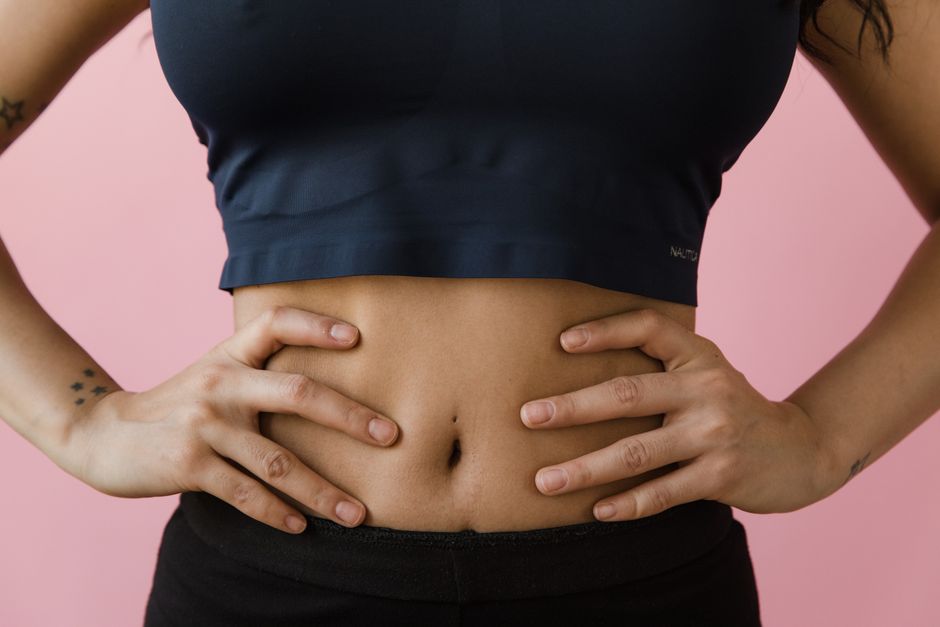
Belly bloating is that uncomfortable feeling of tightness, pressure, or fullness in your abdomen. It can make your stomach look visibly larger and leave you reaching for loose clothing. The most reliable ways to relieve it are to slow down when you eat, cut back on carbonated drinks and excess salt, walk after meals, and identify whether a specific food or a treatable condition is causing it.
What Actually Causes Belly Bloat?
Bloating happens when gas builds up in your digestive tract, when your bowel movements slow down, or when your body holds onto extra fluid. In many people, it is a mix of more than one of these. That is why the same remedy does not work for everyone.
The most common driver is gas. Every time you swallow, you take in air. You swallow more air when you eat fast, chew gum, drink through a straw, or sip carbonated beverages. That air has to go somewhere. Some of it comes back up as a burp. The rest travels down and leaves as flatulence.
Your gut bacteria also make gas. When undigested carbohydrates reach your large intestine, bacteria ferment them. That process produces hydrogen, methane, and other gases. For most people this is normal and harmless. For others, the amount or the sensitivity to it causes real discomfort.
Constipation is another frequent cause. When stool sits in the colon longer than usual, gas and pressure build up behind it. Many people who report bloating actually have underlying constipation, even if they do not realize it.
Less often, bloating signals a condition that needs medical attention. These include irritable bowel syndrome (IBS), lactose intolerance, celiac disease, small intestinal bacterial overgrowth (SIBO), and in rare cases, fluid buildup from liver, heart, or kidney problems. The pattern of your symptoms usually helps tell these apart.
Which Foods and Drinks Make Bloating Worse?
Certain foods are well known to increase gas because they contain carbohydrates that humans cannot fully digest. These are sometimes called FODMAPs — fermentable oligosaccharides, disaccharides, monosaccharides, and polyols. When they reach the colon, bacteria break them down and produce gas.
Common culprits include:
- Beans, lentils, and other legumes
- Broccoli, cabbage, cauliflower, and Brussels sprouts
- Onions and garlic
- Wheat and some other grains
- Apples, pears, and stone fruits
- Milk and dairy in people who are lactose intolerant
- Sugar alcohols like sorbitol, mannitol, and xylitol, often found in sugar-free gum and candy
Carbonated drinks add gas directly. Sodas, sparkling water, and beer all introduce bubbles that can collect in your stomach and intestines. Chewing gum and hard candy can also increase swallowed air, especially if they contain sugar alcohols.
Salt matters too. A high-sodium meal can cause your body to retain water, which shows up as puffiness and a heavy feeling in the abdomen. This is temporary and usually settles within a day or two once sodium intake returns to normal.
Not everyone reacts to the same foods. Keeping a simple food and symptom diary for a week or two can help you spot patterns. A diary is not a diagnosis, but it gives you useful information to bring to a doctor if symptoms persist.
How Can You Relieve Belly Bloat Quickly?
When bloating is already there, a few simple steps can help ease it within hours. None of these are dramatic, but they are supported by how the digestive system works.
Move your body. A gentle walk after a meal helps move gas through your system. Physical activity stimulates the muscles of the digestive tract, which can ease trapped gas and encourage bowel movements.
Try peppermint. Peppermint oil has been used for decades to relax the smooth muscle of the gut. Some studies suggest it can reduce bloating and abdominal pain, particularly in people with IBS. Enteric-coated capsules are often used because they release the oil further down the digestive tract, where it is more useful. Peppermint can worsen acid reflux in some people, so it is not right for everyone.
Use heat. A warm compress or heating pad on your belly can relax tense muscles and ease discomfort. This does not remove gas, but it can make you feel better while your body works things out.
Gently massage your abdomen. Light circular strokes in a clockwise direction follow the path of your colon. Some people find this helps move trapped gas.
Stay hydrated. Drinking water does not directly flush out gas, but it helps keep stool soft and supports regular bowel movements. Dehydration can worsen constipation, which makes bloating worse.
What does not work reliably: over-the-counter gas remedies help some people and do nothing for others. Simethicone, for example, is widely sold for gas, but studies on its effectiveness have been mixed. If it helps you, fine. If it does not, you are not doing anything wrong.





What Changes Help Prevent Bloating Over Time?
Preventing bloating usually means changing a few habits rather than finding one magic fix. Small adjustments tend to add up.
Eat more slowly. Put your fork down between bites. Chew thoroughly. This reduces how much air you swallow and gives your digestive system less work to do at once.
Cut back on carbonation. If you drink several sodas or sparkling waters a day, try swapping some for still water. You may notice a difference within a week.
Watch your salt. Restaurant meals and processed foods are often very high in sodium. Cooking more at home gives you more control.
Get regular fiber — but increase it gradually. Fiber helps prevent constipation, which is a common cause of bloating. But adding a lot of fiber suddenly can make gas worse at first. Increase slowly over a few weeks and drink plenty of water alongside it.
Address constipation. If you are not having regular bowel movements, that alone can cause bloating. Talk to a doctor about the best approach for you. Some people respond to more fiber and water. Others need a different strategy.
Consider a low-FODMAP trial. This is a structured way of eating that temporarily removes fermentable carbohydrates, then reintroduces them one at a time to identify triggers. It is best done with guidance from a dietitian, because it is restrictive and not meant to be followed long-term. Research on the low-FODMAP diet has shown benefit for some people with IBS, though results vary and it does not work for everyone.
Exercise regularly. Physical activity supports healthy digestion and regular bowel movements. It also helps with stress, which can affect gut symptoms in some people.
When Should You See a Doctor About Bloating?
Most bloating is uncomfortable but not dangerous. It often comes and goes with food, stress, or hormonal cycles. However, some patterns need medical evaluation.
See a doctor if you have:
- Bloating that is persistent or getting worse over weeks
- Unintentional weight loss
- Blood in your stool or rectal bleeding
- Unexplained fever
- Severe abdominal pain, especially if it is new
- Vomiting, particularly if you cannot keep food or fluids down
- Diarrhea or constipation that lasts more than a few days
- A feeling of fullness that comes on quickly and is different from your usual bloating
These signs do not automatically mean something serious. But they are reasons to get checked rather than wait. In some cases, bloating is the first noticeable sign of a condition like celiac disease, inflammatory bowel disease, or ovarian issues. A doctor can decide whether testing is appropriate.
If you have already been diagnosed with IBS or another digestive condition, your doctor can help you adjust your treatment plan if bloating is not well controlled.
Does Hormonal Bloating Need a Different Approach?
Many people notice bloating in the days before their period. This is common and tied to shifts in estrogen and progesterone, which can affect fluid balance and gut motility. It usually resolves once the period starts.
Hormonal bloating does not respond to the same fixes as gas-related bloating. Reducing salt, staying hydrated, and gentle exercise can help. Some research suggests calcium and vitamin B6 may ease premenstrual symptoms, though evidence is mixed and not specific to bloating alone. If premenstrual bloating is severe or disruptive, talk to a doctor about options.
Bloating during perimenopause and menopause is also reported, though the reasons are less clear. Hormonal changes, shifts in digestion, and changes in bowel habits can all play a role.
What Does the Evidence Say About Probiotics for Bloating?
The evidence on probiotics for bloating is mixed. Some studies suggest certain strains may help with gas and bloating, particularly in people with IBS. Other studies show no clear benefit. Results vary by strain, dose, and the person taking them.
Probiotics are generally considered safe for healthy people, but they are not risk-free for everyone. People with weakened immune systems or serious illness should talk to a doctor before starting them. There is no single probiotic that has been proven to relieve bloating in all people.
If you want to try one, it is reasonable to give it a few weeks. If you notice no difference, there is no strong reason to continue. Do not expect a probiotic to fix bloating caused by constipation, food intolerances, or other underlying conditions.
Frequently Asked Questions
How do you get rid of belly bloat fast?
A short walk, a warm compress on your belly, and peppermint tea or enteric-coated peppermint oil capsules are common ways to ease bloating within hours. If constipation is the cause, a bowel movement often brings the most relief.
What foods should you avoid to prevent bloating?
Carbonated drinks, sugar alcohols, and high-FODMAP foods like beans, onions, and wheat are common triggers. Not everyone reacts to the same foods, so tracking your symptoms can help you identify your own patterns.
Can drinking water help with bloating?
Water does not directly remove gas, but it helps keep stool soft and supports regular bowel movements. Dehydration can worsen constipation, which makes bloating worse.
When is bloating a sign of something serious?
Bloating that is persistent, getting worse, or comes with weight loss, blood in the stool, fever, or severe pain should be evaluated by a doctor. These signs do not confirm a serious condition, but they are reasons to get checked promptly.
