
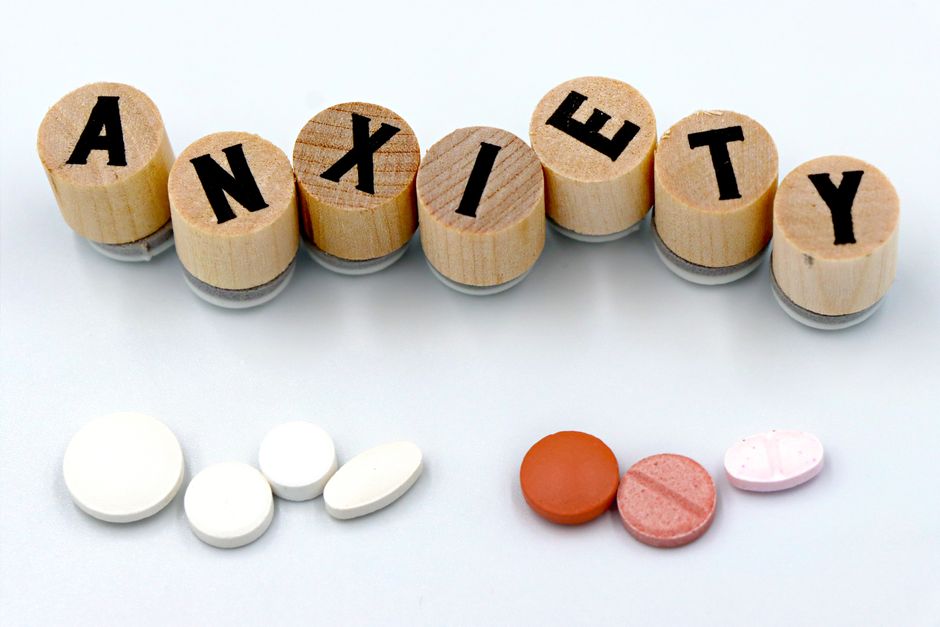
Anxiety is one of the most common mental health challenges adults face today. If you are looking for how to relieve anxiety, the most effective approach combines immediate calming techniques with longer-term lifestyle changes that address the root causes. Research shows that a combination of breathing exercises, physical movement, and cognitive strategies can significantly reduce anxiety symptoms for most people.
What Is Actually Happening in Your Body During Anxiety?
Anxiety is not just in your head. It is a full-body response controlled by your nervous system. When your brain detects a threat — real or imagined — it triggers the fight-or-flight response. Your heart rate increases. Your breathing becomes shallow. Your muscles tense up.
This response evolved to help humans survive danger. The problem is that modern life keeps this system switched on too often. Work deadlines, financial stress, and social pressures can all trigger the same physical response as a genuine physical threat.
The amygdala, a small almond-shaped part of your brain, acts as your internal alarm system. Research published in the journal Biological Psychiatry has found that people with chronic anxiety often have an overactive amygdala. It sounds the alarm even when there is no real danger.
Understanding this helps explain why simply telling yourself to “calm down” rarely works. Your brain’s alarm system is overriding your rational thinking. Effective anxiety relief must address both the physical symptoms and the thought patterns that keep the alarm ringing.
How To Relieve Anxiety With Breathing Techniques That Actually Work
Breathing is one of the most powerful tools for immediate anxiety relief because it directly affects your nervous system. When you breathe slowly and deeply, you activate the vagus nerve. This nerve runs from your brainstem to your abdomen and is responsible for calming your body down.
The most well-researched breathing technique for anxiety is called diaphragmatic breathing, or belly breathing. Place one hand on your chest and the other on your belly. Breathe in slowly through your nose for four seconds, feeling your belly rise. Hold for four seconds. Exhale slowly through your mouth for six seconds.
The longer exhale is the key part. It triggers your parasympathetic nervous system, which is the “rest and digest” mode that counteracts the fight-or-flight response. The American Institute of Stress recommends this technique as one of the most effective immediate interventions for anxiety.
Another technique with solid research behind it is the 4-7-8 breathing method. Breathe in for four seconds, hold for seven seconds, and exhale for eight seconds. Dr. Andrew Weil popularized this method, and many people report significant relief within a few minutes of practice.
These techniques work best when practiced regularly, not just during moments of high anxiety. Think of it like strength training for your nervous system. The more you practice, the easier it becomes to access this calming response when you really need it.
What Exercise Does for Anxiety That Medication Cannot
Physical activity is one of the most effective long-term strategies for anxiety, and the research backing this is remarkably strong. A 2019 review in the journal Depression and Anxiety analyzed 49 studies and found that exercise significantly reduces anxiety symptoms across all age groups.
Exercise works through several mechanisms. It burns off stress hormones like cortisol and adrenaline. It releases endorphins, which are natural mood elevators. It also increases levels of brain-derived neurotrophic factor, a protein that helps repair brain cells and improves the function of the hippocampus, which is often smaller in people with chronic anxiety.
You do not need to run marathons to get these benefits. Studies have found that even 10 minutes of brisk walking can reduce anxiety. The key is consistency rather than intensity. Thirty minutes of moderate activity most days of the week produces the strongest results.
What type of exercise is best? The research does not point to one clear winner. Aerobic exercise like walking, jogging, or cycling has the most evidence. But strength training, yoga, and even stretching have all been shown to help. The best exercise for anxiety is the one you will actually do regularly.
| Exercise Type | Anxiety Relief Effect | Time to Notice Benefits |
|---|---|---|
| Aerobic (walking, jogging, cycling) | Strong evidence | Immediately after session |
| Yoga (especially Hatha or restorative) | Strong evidence | Within 2-4 weeks of regular practice |
| Strength training | Moderate evidence | Within 4-6 weeks |
| Stretching or gentle movement | Moderate evidence | Immediately after session |



How Your Daily Habits Feed or Fight Anxiety
Many people do not realize that their everyday routines are either helping or hurting their anxiety levels. Three areas stand out in the research as having a major impact: sleep, caffeine, and alcohol.
Sleep deprivation directly increases anxiety. A study from the University of California, Berkeley found that sleep-deprived brains show 30 percent more anxiety-related activity when shown distressing images. The prefrontal cortex, which normally keeps the amygdala in check, becomes less active when you are tired. This means your anxiety alarm system runs without its brake.
Most adults need between seven and nine hours of sleep per night. If you are consistently getting less than that, improving your sleep may be the single most effective change you can make for your anxiety. Start with a consistent bedtime, even on weekends. Avoid screens for at least 30 minutes before bed. Keep your bedroom cool and dark.
Caffeine is another common anxiety trigger. It blocks adenosine, a chemical that promotes relaxation, and it increases adrenaline production. For people prone to anxiety, even moderate amounts of caffeine can trigger panic-like symptoms. Some studies suggest that people with anxiety disorders may be more sensitive to caffeine’s effects. Try cutting back gradually and notice how your anxiety changes.
Alcohol creates a different problem. It may temporarily reduce anxiety because it depresses the central nervous system. But as it wears off, your body experiences a rebound effect. Your nervous system becomes more activated than before. This is why many people wake up feeling more anxious after drinking. The National Institute on Alcohol Abuse and Alcoholism reports that alcohol use can worsen anxiety symptoms over time.
What Cognitive Techniques Actually Help Long-Term
While breathing and exercise address the physical symptoms of anxiety, cognitive techniques help change the thought patterns that keep anxiety going. Cognitive Behavioral Therapy, or CBT, is the most researched psychological treatment for anxiety. The National Institute for Health and Care Excellence recommends CBT as a first-line treatment for anxiety disorders.
One of the most useful CBT techniques is called cognitive restructuring. This means identifying anxious thoughts and testing whether they are actually true. When you feel anxious, ask yourself three questions:
- What evidence supports this thought?
- What evidence goes against this thought?
- What would I tell a friend who had this same thought?
Anxiety often involves what psychologists call cognitive distortions. These are thinking patterns that are not accurate but feel true in the moment. Catastrophizing is one common distortion — assuming the worst possible outcome will happen. Mind reading is another — assuming you know what others are thinking about you.
Labeling these distortions when they happen can reduce their power. Research published in the journal Behavior Research and Therapy found that simply naming a cognitive distortion reduces its emotional impact. You are essentially telling your brain “this is a distortion, not a fact.”
Another effective technique is called exposure therapy. This involves gradually facing the situations that trigger your anxiety in a controlled way. The goal is not to eliminate all anxiety but to teach your brain that these situations are not as dangerous as it thinks they are. This should be done with a trained therapist for best results.
When Professional Help Is the Right Step
Self-help strategies work well for mild to moderate anxiety. But there are times when professional support is necessary. If your anxiety interferes with your ability to work, maintain relationships, or complete daily tasks, it is time to seek help.
Therapy is effective for most people. CBT typically produces significant improvement within 12 to 20 sessions. Other evidence-based approaches include acceptance and commitment therapy and dialectical behavior therapy. Therapists can also help you identify whether you have a specific anxiety disorder, such as generalized anxiety disorder, social anxiety, or panic disorder.
Medication is another option that many people find helpful. Selective serotonin reuptake inhibitors, or SSRIs, are the most commonly prescribed medications for anxiety. They are not fast-acting — they typically take four to six weeks to reach full effect. But they can be very effective for people whose anxiety does not respond to therapy or lifestyle changes alone.
A common misconception is that taking medication means you have failed. This is not true. Anxiety is a medical condition with biological components, just like diabetes or high blood pressure. Medication is a tool, not a crutch. Many people use it temporarily while they build coping skills in therapy.
If you are having thoughts of harming yourself, please call or text 988 to reach the Suicide and Crisis Lifeline. You can also text HOME to 741741 to reach a crisis counselor. These services are free, confidential, and available 24 hours a day.
Frequently Asked Questions
What is the fastest way to relieve anxiety?
Deep breathing with a longer exhale is the fastest way to activate your body’s calming response. Try breathing in for four seconds and out for six seconds for two minutes.
Can anxiety go away without treatment?
Mild anxiety sometimes resolves on its own, especially when the stressor passes. But chronic anxiety usually requires active management through lifestyle changes, therapy, or both.
Does exercise really help with anxiety?
Yes, research consistently shows that regular exercise significantly reduces anxiety symptoms. Even ten minutes of walking can provide immediate relief.
When should I see a doctor for anxiety?
You should see a doctor when anxiety interferes with your daily life for two weeks or more. This includes trouble sleeping, avoiding social situations, or feeling constantly on edge.
