
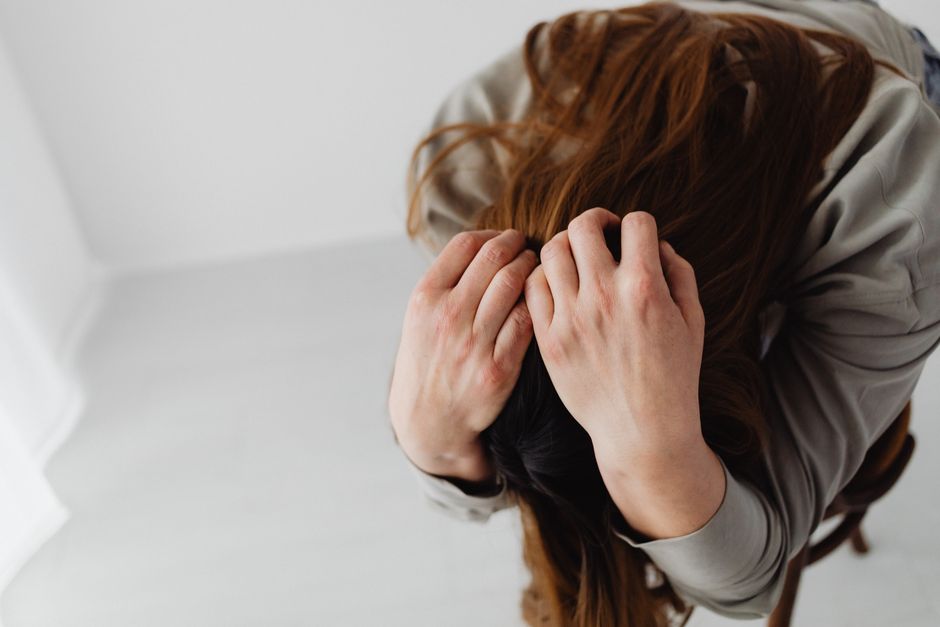
Flying anxiety is common, but it doesn’t have to control your trip. You can relieve flying anxiety with preparation, breathing exercises, distraction techniques, and sometimes professional support. Many people find that a combination of these strategies helps them feel calmer before and during a flight.
What causes flying anxiety?
Flying anxiety often comes from a fear of losing control. You are in a metal tube thousands of feet in the air, and you cannot get out. That feeling of being trapped triggers your body’s fight-or-flight response.
Your brain releases stress hormones like cortisol and adrenaline. Your heart beats faster, your breathing gets shallow, and your muscles tense. This is a normal physical reaction to what your brain perceives as a threat.
Common triggers include fear of heights, claustrophobia, fear of turbulence, or fear of a crash. Some people develop flying anxiety after a bad experience, such as severe turbulence or a delayed flight that caused stress. Others have no clear reason — the anxiety just happens.
How can breathing and relaxation techniques relieve flying anxiety?
Deep breathing is one of the most effective tools you have. It directly calms your nervous system. When you breathe slowly and deeply, you activate the parasympathetic nervous system — the part that tells your body it is safe.
A simple technique: breathe in for four seconds, hold for four seconds, breathe out for six to eight seconds. The longer exhale is key. It slows your heart rate and lowers blood pressure.
Progressive muscle relaxation also helps. Tense each muscle group for five seconds, then release. Start with your feet and work up to your face. This shifts your focus from anxious thoughts to physical sensations.
Grounding techniques keep you in the present moment. The 5-4-3-2-1 method is popular: name five things you see, four you can touch, three you hear, two you smell, and one you taste. This pulls your mind away from panic and back to what is real around you.
What role does preparation play in reducing flying anxiety?
Preparation removes the fear of the unknown. When you know what to expect, your brain has fewer reasons to trigger anxiety.
Before your flight, learn about how planes work. Turbulence is normal and rarely dangerous. Planes are designed to handle far more stress than weather typically throws at them. Statistically, flying is the safest way to travel.
Choose your seat wisely. An aisle seat gives you more freedom to stand up and move around. A window seat gives you a view, which helps some people feel less trapped. If you are prone to claustrophobia, avoid being in the very back or middle rows where you feel more enclosed.
Arrive at the airport early. Rushing increases anxiety. Give yourself plenty of time to check bags, go through security, and find your gate. Once you are at the gate, you have one less thing to worry about.
Bring comfort items. A neck pillow, noise-canceling headphones, a favorite sweater, or a familiar snack can make the environment feel safer.




Are there medications that can relieve flying anxiety?
Some people use medication for severe flying anxiety. Only take medication prescribed by your doctor for this specific purpose. Do not use someone else’s prescription or try over-the-counter sleep aids without medical advice.
Benzodiazepines — such as Xanax, Ativan, or Valium — are sometimes prescribed for short-term anxiety during flights. They work by calming the brain’s activity. They can be effective, but they also carry risks of drowsiness, dizziness, and dependence. Never mix them with alcohol.
Your doctor may also recommend a non-drowsy antihistamine like hydroxyzine. It can reduce anxiety without the same risk of dependence, but it may still cause drowsiness. Studies on antihistamines for flying anxiety are limited.
It is important to know that no medication is a cure. The anxiety may still be there — it is just suppressed. Some people find that relying on medication makes their fear worse over time because they never learn to cope without it.
How does cognitive behavioral therapy help with flying anxiety?
Cognitive behavioral therapy (CBT) is one of the most evidence-based treatments for anxiety disorders, including specific phobias like fear of flying. It works by changing the way you think about flying.
In CBT, you learn to identify irrational thoughts — for example, “The plane is going to crash because of turbulence” — and replace them with more realistic ones, like “Turbulence is uncomfortable but the plane is safe.”
Exposure therapy is often part of treatment. You start by thinking about flying, then looking at pictures, then visiting an airport, then taking a short flight. Gradual exposure reduces the fear response over time.
Many therapists specialize in fear of flying. Some airlines even offer fear-of-flying courses that combine education with a short flight. These programs have strong evidence for reducing anxiety.
What are the best in-flight distractions for anxiety?
Distraction works best when the activity fully engages your mind. Passive activities like watching a movie can help, but interactive tasks work even better.
Listen to a podcast or audiobook that requires your attention. Play a puzzle game on your phone. Read a book that is fast-paced and absorbing. Some people find that writing in a journal or making a to-do list for after the flight shifts their focus.
Music with a slow tempo — around 60 beats per minute — can sync with your heart rate and promote calm. There are playlists specifically designed for anxiety relief.
Talk to the flight attendant. Let them know you are a nervous flyer. They see this all the time and can check on you during the flight. Knowing someone is aware and supportive can reduce feelings of isolation.
When should you seek professional help for flying anxiety?
If flying anxiety stops you from traveling or causes significant distress, it is worth talking to a mental health professional. This is not something you have to manage alone.
A therapist can teach you specific coping skills and, if needed, prescribe medication as part of a broader treatment plan. Many people with flying anxiety respond very well to therapy.
If you have panic attacks during flights — sudden intense fear with physical symptoms like chest pain, shortness of breath, or dizziness — seek help. Panic attacks are treatable, and you can learn to manage them without avoiding flying.
Frequently Asked Questions
Can you take medication for flying anxiety?
Only take medication prescribed by your doctor for flying anxiety. Benzodiazepines are sometimes prescribed, but they carry risks and should not be taken with alcohol.
Does flying anxiety go away on its own?
Flying anxiety can improve with repeated exposure and practice, but it often does not go away completely without treatment. Therapy and learned coping skills are the most reliable ways to reduce it.
What is the best seat on a plane for anxiety?
An aisle seat near the front of the plane often feels less enclosed and gives you easier access to the bathroom and flight attendants. Some people prefer a window seat for the view.
Is it safe to fly if you have anxiety?
Yes, it is safe. Anxiety is uncomfortable but not dangerous. Your physical health is not at risk from fear itself. If you have a heart condition or other medical concern, check with your doctor before flying.
