
Waking up with a stiff, painful neck after a night’s sleep is common, and in most cases it settles within a few days without any medical treatment. The soreness usually comes from a muscle strain or an awkward sleeping position that held your neck out of its natural alignment for hours. Gentle movement, heat, and short-term over-the-counter pain relief are the main ways people manage it at home. If the pain is severe, lasts more than a week, or comes with numbness, weakness, or tingling in your arm or hand, that is a reason to see a doctor rather than wait it out.
What Actually Happens in Your Neck When You Sleep Wrong
Your neck is built to hold your head in a balanced position while supporting a lot of weight. The head weighs roughly 10 to 11 pounds in adults. When you sleep in a position that pushes the neck into an extreme bend or twist for hours, the muscles and ligaments on one side get stretched while the other side stays shortened.
That sustained strain is what most people mean by “sleeping wrong.” The muscles react with tightness and tenderness. In some cases a small muscle or ligament injury occurs, which is a strain. In others, the joints in the neck simply get irritated from being held at the end of their range. Both feel similar the next morning.
There is a common term for waking up unable to turn your head: acute torticollis, sometimes called wry neck. It is usually a muscle problem, not a sign of something serious. It can also happen without any obvious cause, which is why some people wake up with it even after sleeping in their usual position.
One thing worth separating out: a sore neck from sleep is different from the chronic, gradual neck pain that builds from posture or desk work. The sleep-related kind tends to come on suddenly, be worse in the first hours after waking, and improve as the day goes on. That pattern is a useful clue.
How To Relieve A Sore Neck From Sleeping Wrong
Most of the relief comes from calming the irritated tissue and letting it move gently rather than holding it still. Rest is not the goal here. Keeping the neck completely immobile for days can make stiffness worse.
What tends to help:
- Gentle movement. Slowly turn your head left and right, and tilt it toward each shoulder, within a comfortable range. Do not force past the point of pain. Small, easy motions help keep the muscles from tightening further.
- Heat. A warm shower, a heating pad, or a warm compress on the tight area can relax muscle tension. Use moderate heat and avoid falling asleep with a heating pad on, which can cause burns.
- Over-the-counter pain relievers. Medications like ibuprofen, naproxen, or acetaminophen are commonly used for short-term muscle and joint pain. Follow the label directions and check with a pharmacist or doctor if you take other medications or have health conditions. Ibuprofen and naproxen are anti-inflammatories and may address both pain and swelling; acetaminophen mainly helps with pain.
- Gentle stretching and light activity. Once the sharpest pain eases, normal daily movement is generally better than bed rest.
- Supportive sleep position. For the next few nights, try to keep your neck closer to neutral. Sleeping on your back or side with a pillow that fills the gap between your neck and the mattress tends to help.
What does not have strong evidence: neck collars or braces for routine cases. Some clinicians recommend a soft collar for a short period, but prolonged use can weaken the neck muscles and is generally discouraged. If you are considering one, ask a doctor first.
Should You Use Ice or Heat?
Heat is the more common choice for muscle tightness and stiffness, and it is what most people find soothing for a sleep-related sore neck. Warmth increases blood flow and helps muscles relax.
Ice is typically used for fresh injuries in the first day or two, mainly to reduce swelling and numb sharp pain. For a stiff neck that is mostly muscle tightness, there is no strong evidence that one clearly beats the other. A reasonable approach is to use whichever feels better to you. Some people alternate between the two.
Whichever you choose, protect your skin. Do not apply ice directly to bare skin for long periods, and do not use high heat for extended stretches. Both can injure the skin if overdone.





When a Sore Neck Is Not Just a Sore Neck
Most sleep-related neck pain is harmless and short-lived. But some symptoms point to something that needs medical attention, and those should not be managed at home.
See a doctor if you have:
- Pain that is severe or getting worse instead of better
- Pain that lasts more than about a week without improving
- Numbness, tingling, or weakness in your arm, hand, or fingers
- Pain that shoots down your arm
- Neck stiffness with fever, severe headache, or feeling very unwell
- Stiffness so severe you cannot touch your chin to your chest, especially with fever or headache
- Neck pain after a fall, accident, or injury
- Loss of bladder or bowel control, or trouble walking
That last group of symptoms is uncommon, but it can signal a serious problem and needs urgent care. Fever with a stiff neck, in particular, should be evaluated promptly rather than treated at home.
For the vast majority of people, none of this applies. A sore neck from sleeping wrong improves on its own.
How Long Does It Usually Take To Feel Better?
Most cases ease within a few days. Many people notice the worst of it on the first morning and feel noticeably better within 24 to 48 hours. Mild soreness can linger a bit longer, sometimes up to a week.
If it is not improving after about a week, or if it keeps coming back, that is worth a medical visit. Recurring neck pain can have causes beyond sleep position, including joint changes in the neck, and a doctor can help sort out what is going on.
There is no single timeline that fits everyone. The pattern matters more than the exact number of days. Pain that steadily improves is a good sign. Pain that plateaus or worsens is not.
How To Prevent Waking Up With a Sore Neck
Prevention mostly comes down to sleep position and your pillow. The goal is to keep your neck in a roughly neutral line with your spine, not bent up or twisted to one side.
Things that tend to help:
- Match your pillow to your sleep position. Back sleepers usually do well with a pillow that supports the natural curve of the neck without pushing the head too far forward. Side sleepers generally need a thicker pillow to fill the space between the neck and the mattress so the head does not drop. Stomach sleeping forces the neck into a strong twist and is the position most likely to cause problems.
- Keep the pillow height reasonable. A pillow that is too high or too flat can push the neck out of alignment. There is no single “correct” height that fits everyone, since it depends on your body and mattress.
- Support the neck, not just the head. A pillow that only props up the head can leave the neck unsupported.
- Be mindful of your daytime posture too. Long hours hunched over a phone or laptop can leave neck muscles tight before you even get to bed.
There is a lot of marketing around special pillows, and the evidence that any specific design is clearly better than another is limited. A pillow that keeps your neck neutral and feels comfortable is doing its job, regardless of price or claims.
What About Stretches and Massage?
Gentle stretching can help once the sharp pain has eased. Slow, controlled movements within a comfortable range are the aim. Forceful stretching or having someone crack your neck is not recommended, because forceful manipulation of the neck carries a small risk of serious injury.
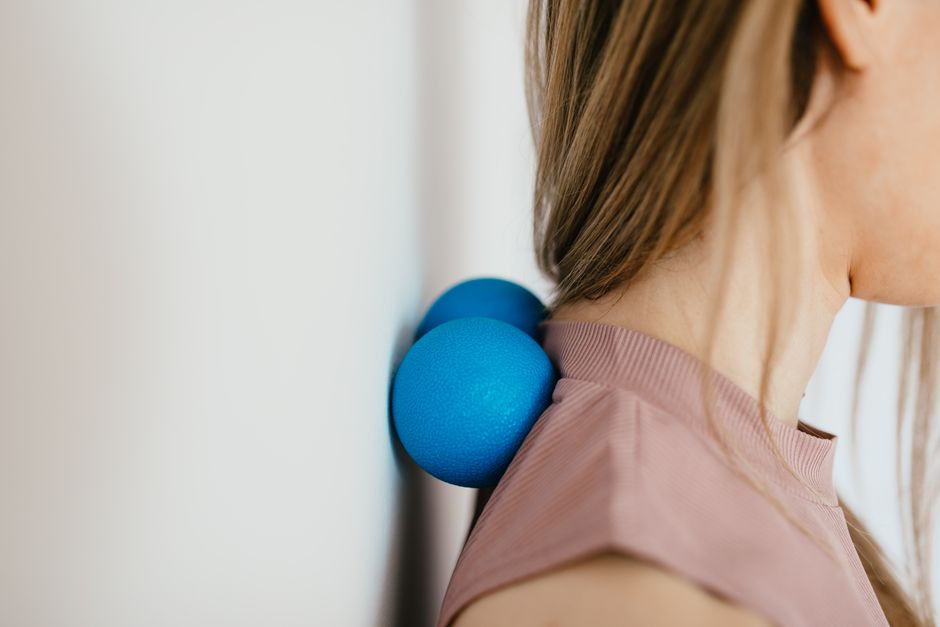
Massage of the tight muscles around the neck and upper shoulders is commonly used and many people find it helpful for short-term relief. The evidence for lasting benefit is limited, but it is generally low-risk when done gently. Avoid deep, aggressive pressure on the front of the neck.
If you see a practitioner for neck manipulation, be aware that the evidence for its benefit in ordinary neck pain is mixed, and that forceful high-velocity manipulation of the neck has been linked to rare but serious complications. Discuss the risks and benefits with a qualified clinician.
Frequently Asked Questions
How long does a sore neck from sleeping wrong last?
Most cases improve within a few days, often noticeably within 24 to 48 hours. If it is not better after about a week, or keeps returning, see a doctor.
Should I use heat or ice for a stiff neck?
Heat is the more common choice for muscle tightness and is generally soothing. Ice is usually used for fresh injuries, and for a stiff neck there is no strong evidence that one clearly works better than the other.
When should I worry about a sore neck?
Get medical care if you have numbness, tingling, or weakness in your arm or hand, severe or worsening pain, neck stiffness with fever or a severe headache, or pain after an injury. These are not signs to manage at home.
Can a bad pillow cause neck pain?
A pillow that pushes your neck out of a neutral position can contribute to morning soreness. Matching pillow height to your sleep position, especially avoiding stomach sleeping, tends to help.
