
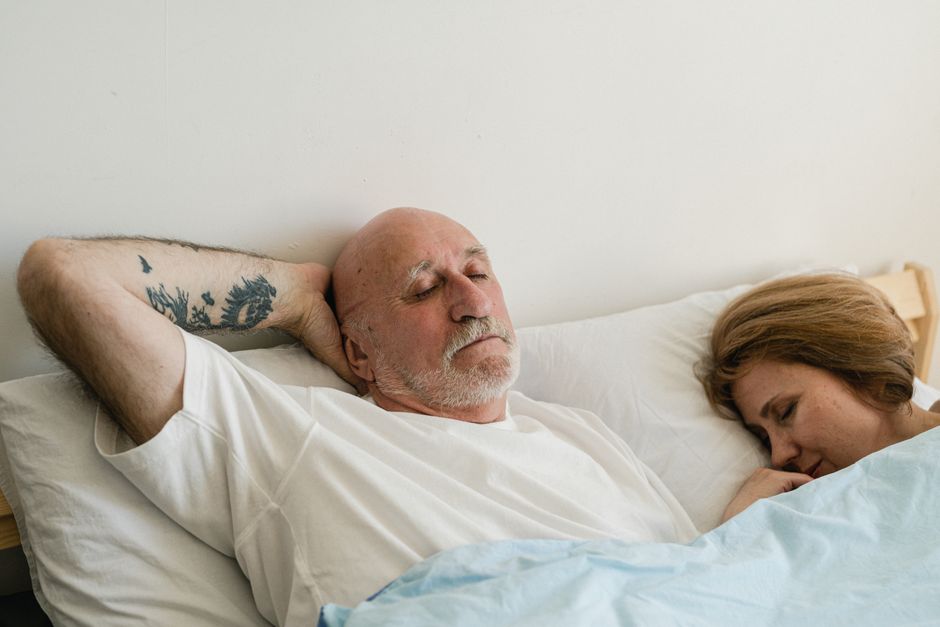
Feeling like you can never get enough sleep is a common and often frustrating problem. If you are sleeping more than usual and still feel tired, the cause is usually one of a handful of well-understood medical or lifestyle factors. The most common reasons include poor sleep quality from conditions like sleep apnea, an underlying illness such as anemia or an underactive thyroid, a side effect of medication, or a mood disorder like depression. In many cases, the problem is not the amount of sleep but its quality.
Why Am I Sleeping So Much Common Medical Causes?
When you sleep far more than usual and still wake up exhausted, the medical term for this is hypersomnia. It is a symptom, not a disease on its own. The key question is whether your body is getting the restorative sleep it needs, or whether something is actively driving your sleep drive up.
Sleep is not a single uniform state. It cycles through stages, including deep slow-wave sleep and REM sleep, both of which are important for feeling rested. If a condition repeatedly interrupts these stages, you can spend eight or nine hours in bed and still wake up feeling unrefreshed. That is why total hours in bed is a poor measure of whether you slept well.
The most common medical causes fall into a few categories:
- Sleep disorders that fragment sleep, such as obstructive sleep apnea
- Medical conditions that increase fatigue, such as anemia, thyroid problems, and infections
- Mental health conditions, especially depression
- Medications and substances that cause drowsiness
- Lifestyle factors such as poor sleep habits, shift work, and alcohol use
Each of these works differently. Some reduce sleep quality. Others increase the body’s need for sleep or directly suppress the central nervous system. Identifying which category applies to you is the first step toward understanding the problem.
Could Sleep Apnea Be Making You Tired?
Obstructive sleep apnea is one of the most common and most overlooked causes of excessive daytime sleepiness. In this condition, the upper airway repeatedly narrows or closes during sleep, which briefly stops breathing and forces the brain to wake you just enough to restart it. These awakenings are usually so brief you do not remember them.
The result is fragmented sleep. You may spend a full night in bed, but your sleep is broken dozens or even hundreds of times. This is why many people with sleep apnea sleep long hours and still feel exhausted.
Common signs include loud snoring, gasping or choking during sleep, waking with a dry mouth or headache, and feeling sleepy during the day even after a full night’s rest. Not everyone who snores has apnea, and not everyone with apnea snores. A bed partner often notices the pattern before the sleeper does.
Sleep apnea is diagnosed through a sleep study, which measures breathing, oxygen levels, and brain activity during sleep. It matters because untreated apnea is linked to high blood pressure, heart problems, and stroke. This is one cause where getting a proper diagnosis is genuinely important, not optional.
How Do Medical Conditions Cause Excessive Sleepiness?
Many physical illnesses increase fatigue and sleep need. The body diverts energy toward fighting infection, repairing tissue, or coping with a system that is not working properly. When that happens, sleepiness is a signal, not a weakness.
Some of the more common conditions linked to sleeping too much include:
- Anemia, where low red blood cells or low hemoglobin reduce oxygen delivery to tissues
- Hypothyroidism, an underactive thyroid that slows metabolism and causes fatigue
- Infections, including viral illnesses and more serious conditions like mononucleosis
- Diabetes, especially when blood sugar is poorly controlled
- Heart or lung disease, which can reduce oxygen levels, particularly at night
- Chronic kidney disease and liver disease
Anemia and hypothyroidism are both common and both easily checked with a simple blood test. A doctor can measure hemoglobin, thyroid-stimulating hormone, and other markers to see whether either is contributing.
One detail worth knowing: fatigue and sleepiness are not the same thing. Fatigue is a lack of energy or motivation. Sleepiness is the actual tendency to fall asleep. Many medical conditions cause fatigue. Fewer cause true sleepiness. If you are nodding off during the day when you do not want to, that points more toward a sleep-related cause than a general medical one.





Can Depression Make You Sleep Too Much?
Depression is a well-established cause of excessive sleep, and it is one of the most common reasons people seek help for it. While depression is often associated with insomnia, a significant number of people with depression sleep more than usual and still feel drained.
This pattern is sometimes called hypersomnia. It can include sleeping long hours at night, taking long naps during the day, and still feeling unrefreshed. The sleep itself tends to be lighter and more fragmented, which may explain why it does not restore energy.
Depression and sleep problems often reinforce each other. Poor sleep can worsen mood, and low mood can disrupt sleep. This cycle is one reason treatment usually addresses both at once. If low mood, loss of interest in activities, or changes in appetite have come along with your sleepiness, that combination is worth discussing with a doctor or mental health professional.
Which Medications and Substances Cause Drowsiness?
Many common medications cause drowsiness as a side effect. This is not a minor point. For some people, medication is the single biggest reason they feel sleepy during the day.
Classes of medication that commonly cause drowsiness include:
- Antihistamines, especially older first-generation types used for allergies and sleep
- Antidepressants, particularly some older classes
- Anti-anxiety medications and sedatives
- Muscle relaxants
- Some blood pressure medications
- Antipsychotics and mood stabilizers
- Opioid pain medications
Alcohol deserves its own mention. It is a sedative, so it can make you fall asleep faster. But it also fragments sleep later in the night and suppresses REM sleep. Many people who drink in the evening sleep longer and wake up feeling worse. This is a common and often unrecognized cause of poor sleep quality.
If you suspect a medication is making you sleepy, do not stop it on your own. Talk to your prescriber. Some side effects fade with time, some can be managed by adjusting the dose or timing, and some require a different medication altogether.
When Is Sleeping Too Much a Sign of Something Else?
There is a group of sleep disorders where the brain itself regulates sleep poorly. These are less common than the causes above, but they are real and often missed.
Narcolepsy is a neurological disorder that causes overwhelming daytime sleepiness and sudden sleep attacks. People with narcolepsy may also experience cataplexy, a sudden loss of muscle tone triggered by strong emotions. It is uncommon but often takes years to diagnose.
Idiopathic hypersomnia is a condition of excessive sleepiness without a clear cause. People with it sleep long hours and still struggle to stay awake during the day. It is diagnosed only after other causes are ruled out.
Kleine-Levin syndrome is a rare disorder marked by episodes of extreme sleepiness that can last days or weeks, separated by normal periods. It is uncommon and typically appears in adolescence.
These conditions are not the first things to suspect. But if you have been evaluated for the common causes and still have severe sleepiness, a sleep specialist is the right next step.
What Lifestyle Factors Make You Sleep More?
Not every case of sleeping too much has a medical cause. Some of the most common reasons are everyday habits that quietly reduce sleep quality.
Irregular sleep schedules are a major one. Going to bed and waking at very different times disrupts the body’s internal clock, which regulates when you feel alert and when you feel sleepy. Shift work is a well-known cause of this problem.
Poor sleep environment matters too. A room that is too warm, too bright, or too noisy makes it harder to reach and stay in deep sleep. Screen use close to bedtime can delay sleep onset by suppressing melatonin, the hormone that helps signal it is time to sleep.
Caffeine is another common culprit. It has a long half-life, meaning a significant amount can still be in your system many hours after you drink it. An afternoon coffee can quietly reduce sleep quality that night, which leads to more caffeine the next day. That cycle is easy to fall into and hard to notice.
These factors are worth addressing first, because they are within your control and often make a real difference. If sleepiness continues after you have cleaned up your habits, that is when a medical evaluation becomes more important.
When Should You See a Doctor?
Sleepiness that is new, persistent, or interfering with your daily life deserves a medical evaluation. That is especially true if you are falling asleep while driving, at work, or in the middle of conversations.
Other signs that warrant a doctor’s visit include loud snoring with pauses in breathing, waking with headaches, needing to sleep far more than usual for weeks, or feeling sleepy despite getting what should be enough sleep.
A doctor will typically start with a history of your sleep, medications, and mood, followed by blood tests to check for common causes like anemia and thyroid problems. If a sleep disorder is suspected, a sleep study may be recommended.
The good news is that most causes of excessive sleepiness are identifiable and many are treatable. The problem is rarely a mystery once it is properly evaluated. The mistake most people make is assuming they just need more sleep, when the real issue is the quality of the sleep they are already getting.
Frequently Asked Questions
Why am I sleeping so much and still tired?
Sleeping long hours and still feeling tired usually means your sleep is being fragmented or your body is fighting an underlying condition. Common causes include sleep apnea, anemia, thyroid problems, depression, and medication side effects.
What medical conditions cause excessive sleeping?
The most common ones are sleep apnea, anemia, hypothyroidism, depression, diabetes, and infections. Less common causes include narcolepsy and idiopathic hypersomnia, which are diagnosed after other conditions are ruled out.
Can low iron make you sleep a lot?
Yes. Iron deficiency can lead to anemia, which reduces oxygen delivery to tissues and causes fatigue and increased sleepiness. A simple blood test can confirm whether low iron is contributing.
Is sleeping too much a sign of depression?
It can be. While depression is often linked to insomnia, a significant number of people with depression sleep more than usual and still feel unrefreshed. If low mood or loss of interest has come along with your sleepiness, it is worth discussing with a doctor.
