
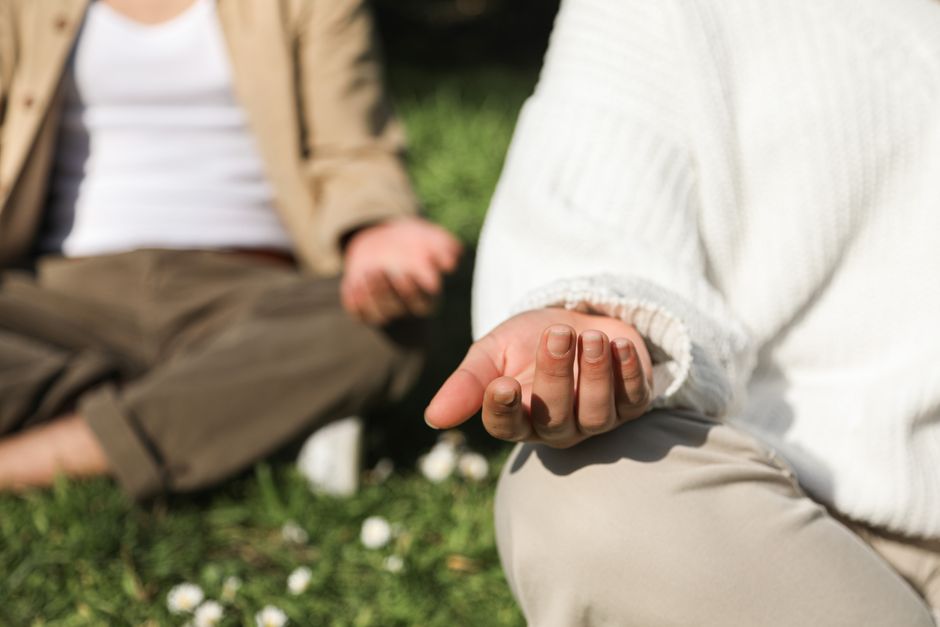
A panic attack can feel like a heart attack, a stroke, or like you are losing your mind. The techniques that work to relax from one are specific and grounded in how your nervous system actually works. The most effective methods are slow, controlled breathing, grounding yourself with your five senses, and using cold water on your face or wrists to activate your mammalian dive reflex. These actions signal your body that the danger has passed and help lower your heart rate and panic intensity within minutes.
What Actually Happens In Your Body During A Panic Attack?
Your body’s alarm system is designed for physical threats. A panic attack is the alarm going off when there is no physical danger. Your sympathetic nervous system floods your body with adrenaline. Your heart rate jumps. Your breathing becomes fast and shallow. Your muscles tense. You may feel dizzy, sweaty, or have chest tightness.
Understanding this is helpful because it is not a sign of weakness or something wrong with your mind. It is a biological process. Your body is doing exactly what it is designed to do – just at the wrong time. Knowing this can reduce the secondary fear of “I am dying” which usually makes the attack worse.
The goal of relaxation techniques is not to stop the panic instantly. The goal is to send signals back to your brain that the threat is gone. Your body will follow.
How To Relax From A Panic Attack Techniques That Work
The most researched and reliable technique is slow diaphragmatic breathing. The specific pattern that works best is called 4-7-8 breathing. You breathe in through your nose for four seconds. You hold your breath for seven seconds. You breathe out through your mouth for eight seconds. This pattern activates your vagus nerve, which is the main brake on your stress response.
Why this works: When you hold your breath, carbon dioxide builds up in your blood. This has a calming effect on your nervous system. The long exhale physically slows your heart rate. If you cannot manage the full seven-second hold, do not force it. Even a 4-4-6 pattern (inhale 4, hold 4, exhale 6) will help.
Another method that works quickly is the 5-4-3-2-1 grounding technique. You name five things you can see, four things you can touch, three things you can hear, two things you can smell, and one thing you can taste. This forces your brain to shift from internal fear signals to external reality. It interrupts the panic loop.
Cold water exposure is also effective. Splash cold water on your face. Hold a cold pack against your cheeks or wrists. If you can, submerge your face in cold water for ten seconds. This triggers the mammalian dive reflex, which slows your heart rate and redirects blood flow to your core. It is a hard reset for your nervous system.
Does Distraction Work Or Make It Worse?
Distraction can help some people, but it can also backfire. If you try to force yourself to think about something else while your body is in full alarm mode, you may feel like you are failing. That failure feeling can increase anxiety.
What works better is focused attention on something neutral. Pick a single object in the room. Describe it in detail to yourself. Color, texture, shape, size, weight. This is not distraction. It is anchoring your attention to something real and safe. Your brain cannot focus on a detailed description of a lampshade and a full panic response at the same time.
Counting backward from 100 by sevens is another anchoring method. It requires just enough mental effort to pull your focus away from panic without being overwhelming. If you lose count, start over. The goal is not accuracy. The goal is shifting brain activity.



What About Breathing Into A Paper Bag?
This is one of the most persistent myths about panic attacks. The paper bag method is not recommended and can be dangerous. It was originally used for a specific condition called hyperventilation syndrome, not for panic attacks. Breathing into a paper bag can lower your oxygen levels. For someone having a panic attack, low oxygen can worsen symptoms and cause dizziness or fainting.
If you feel like you cannot get enough air during a panic attack, it is usually because you are breathing too fast and shallow. The solution is not to rebreathe your own air. The solution is to slow your breathing rate and deepen each breath. The 4-7-8 pattern does this directly.
Some people find pursed-lip breathing helpful. Breathe in through your nose, then breathe out slowly through pursed lips as if you are blowing through a straw. This keeps your airways open longer and helps you exhale fully.
Should You Use Medication For Acute Panic Attacks?
Some people have rescue medications prescribed by their doctor. Benzodiazepines like lorazepam or alprazolam can stop a panic attack within 15 to 30 minutes. They work by enhancing the effect of GABA, a neurotransmitter that calms brain activity.
These medications are effective but they come with risks. They can be habit-forming. They can cause drowsiness and memory problems. They are generally not recommended for long-term use. If you have them prescribed, use them as your doctor directed. If you do not have them, do not seek them from friends or online sources.
There is no medication that works instantly without significant downsides. Breathing and grounding techniques do not have side effects. They also give you a sense of control over your own body, which medication does not provide. Many people find that learning these techniques reduces the frequency of attacks over time because they no longer fear the attack itself.
How Long Does It Take For These Techniques To Work?
Most people feel some relief within 60 to 90 seconds of starting slow breathing. Full relaxation of a panic attack usually takes between 5 and 20 minutes. The peak of a panic attack typically lasts about 10 minutes. If you start a technique at the beginning of the peak, you will often feel it fading within a few minutes.
Do not expect the panic to disappear completely in one minute. That is not realistic. What you are looking for is a noticeable decrease in intensity. Your heart rate will start to slow. Your breathing will feel less tight. The sense of doom will begin to lift.
If you have been panicking for more than 30 minutes with no improvement, it may not be a panic attack. Panic attacks do not usually last that long. You may be experiencing a different condition or a medical issue. If your symptoms are severe or persistent, seek medical attention to rule out other causes.
Can You Prevent Panic Attacks From Happening?
You cannot always prevent a panic attack. They can happen without any clear trigger. But you can reduce how often they occur and how intense they are. Regular practice of relaxation techniques when you are calm builds a skill that is easier to use when you are panicking.
Daily breathing practice for five minutes can lower your baseline anxiety. Regular exercise, adequate sleep, and limiting caffeine and alcohol also help. Caffeine is a direct trigger for many people. It mimics the physical sensations of anxiety, which can set off a panic attack in someone who is sensitive to those sensations.
Therapy, particularly cognitive behavioral therapy, is the most effective long-term treatment for panic disorder. A therapist can help you identify thought patterns that trigger panic and teach you to respond differently to physical sensations. This is not something you have to figure out alone.
When Should You See A Doctor About Panic Attacks?
If you have had one panic attack, you should see a doctor to rule out medical causes. Heart conditions, thyroid problems, and certain vitamin deficiencies can cause symptoms that look like panic attacks. A simple blood test and an EKG can rule out many of these.
If you have had multiple panic attacks, you may have panic disorder. This is a treatable condition. It is not something you have to manage on your own. A primary care doctor can refer you to a mental health professional who specializes in anxiety disorders.
If your panic attacks are causing you to avoid normal activities, such as driving, shopping, or social situations, that is a sign that the condition is affecting your quality of life. Treatment can help you regain those activities without fear.
Frequently Asked Questions
How do you calm down from a panic attack fast?
Slow your breathing using the 4-7-8 pattern or apply cold water to your face and wrists to trigger your dive reflex. These methods work within one to three minutes to lower your heart rate and reduce panic intensity.
What is the 5-4-3-2-1 method for panic attacks?
Name five things you can see, four things you can touch, three things you can hear, two things you can smell, and one thing you can taste. This grounding technique shifts your brain’s focus from internal fear to your safe external surroundings.
Is breathing into a paper bag safe for panic attacks?
No, it is not safe and is not recommended. It can lower your oxygen levels and make symptoms worse. Slow, controlled breathing without a bag is more effective and safer.
Can you stop a panic attack without medication?
Yes, breathing techniques, cold water exposure, and grounding exercises are effective for most people without medication. These methods work by directly calming your nervous system and are safe to use anytime.
