
If you have fatty liver disease, the most important thing to know is that it can be reversed — but there is no quick fix. The cure is straightforward: lose weight through a healthy diet and regular exercise. Losing 7 to 10 percent of your body weight has been shown to significantly reduce liver fat and inflammation. For someone who weighs 200 pounds, that means losing 14 to 20 pounds. There are no pills or shortcuts that work as well. Diet and exercise are the proven treatment.
What exactly is fatty liver disease?
Fatty liver disease means too much fat has built up in your liver cells. The most common type is non-alcoholic fatty liver disease, or NAFLD. It is closely linked to being overweight, insulin resistance, and metabolic syndrome. Most people with fatty liver have no symptoms. But over time, the fat can cause inflammation, a condition called NASH. NASH can lead to liver scarring (fibrosis) and eventually cirrhosis. The liver is a forgiving organ — if you stop the damage early enough, it can heal.
Can you actually reverse fatty liver disease?
Yes, you can. The liver can clear out stored fat when you lose weight and eat better. Studies show that losing at least 5 to 7 percent of your body weight reduces liver fat. Losing 7 to 10 percent can also reduce inflammation and even reverse some early scarring. The key is sustained weight loss, not quick crash diets. Weight loss needs to happen gradually and be maintained. If you gain the weight back, the fat returns.
What diet helps reverse a fatty liver?
A Mediterranean-style diet has the strongest evidence. That means plenty of vegetables, fruits, whole grains, legumes, nuts, olive oil, and fish. You want to limit red meat, processed foods, refined carbohydrates, and added sugars. The biggest culprit for the liver is fructose — especially from sugar-sweetened beverages and fruit juices. Cutting out soda, sweetened teas, and most packaged desserts makes a real difference. Coffee appears to be protective. Two to three cups a day has been linked to lower liver fat and less inflammation. No specific food will cure fatty liver on its own. The whole eating pattern matters more than any single ingredient.
There is no need for expensive “liver detox” supplements or cleanses. They do not work. Your liver detoxifies itself. Eating whole foods and cutting calories is what actually helps.
What kind of exercise works best?
Both aerobic exercise and resistance training help. Walking, jogging, cycling, or swimming are all good choices. Lifting weights or doing bodyweight exercises two to three times per week also reduces liver fat. Aim for at least 150 minutes of moderate exercise each week. That is about 30 minutes, five days a week. Exercise helps even if you do not lose a lot of weight. It directly lowers liver fat and improves insulin sensitivity. But for meaningful reversal, weight loss is still the main driver. Combine diet and exercise for the best results.
How to cure a fatty liver with diet and exercise more?
The most effective approach is a calorie deficit — eating fewer calories than your body burns. For most people, that means cutting 500 to 1000 calories per day. Combine that with regular physical activity. A structured plan might look like: replace sugary drinks with water, eat vegetables at every meal, choose lean proteins like chicken or fish, use olive oil instead of butter, and exercise for 30 minutes most days. The goal is to lose 1 to 2 pounds per week. Faster weight loss can actually worsen liver inflammation, so slow and steady is safer. Many people see real improvement in liver tests within three to six months.
Are there medications or supplements for fatty liver?
Currently, there are no drugs specifically approved by the FDA to treat NAFLD. Some medications are used off-label based on limited evidence. For example, vitamin E (800 IU per day) has shown some benefit in non-diabetic adults with NASH, but it is not recommended for everyone due to potential risks. Pioglitazone, a diabetes drug, has also shown benefit in some studies. However, these are not cures and do not replace lifestyle changes.
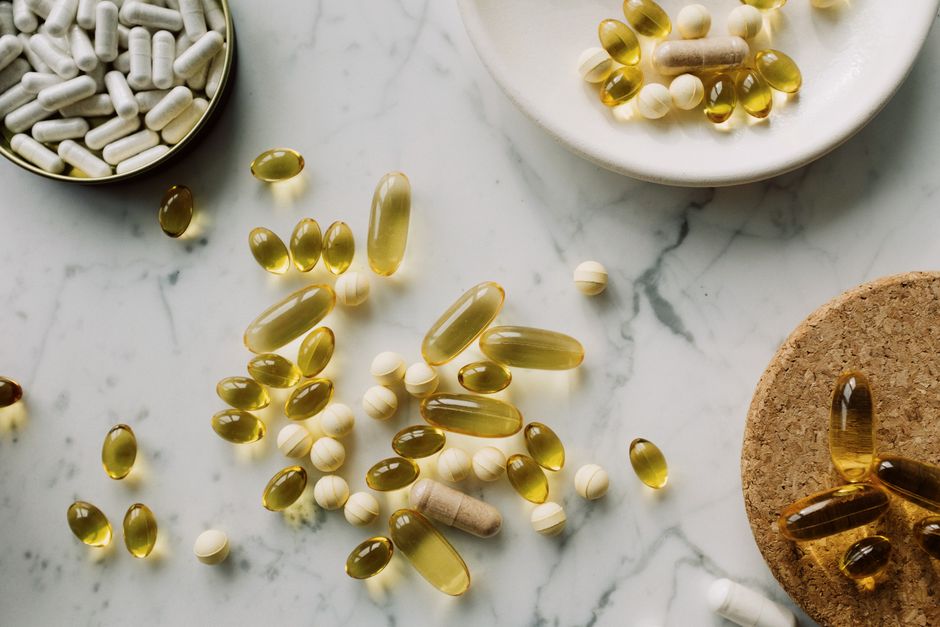
As for supplements, the evidence is weak. Milk thistle, berberine, and omega-3s are commonly marketed for fatty liver, but no large, well-designed trials have confirmed they reverse the disease. Save your money. Stick with what is proven: weight loss, diet, and exercise.
How fast can you reverse fatty liver?
Liver fat can start decreasing within weeks of weight loss. Some studies show a significant drop in liver fat after six to eight weeks of a calorie-restricted diet. Inflammation and liver enzyme levels often improve within a few months. Scarring (fibrosis) takes much longer to reverse, and some fibrosis may be permanent. Full reversal is possible if the disease is caught early. But the sooner you start, the better. Do not wait for symptoms — most people have none until the liver is already damaged.
Frequently Asked Questions
Can fatty liver be reversed with diet alone?
Yes, diet alone can reverse fatty liver if you achieve enough weight loss. Reducing calories and cutting sugar and refined carbs are the most important dietary changes.
How much weight loss do I need to reverse fatty liver?
Losing at least 5 to 7 percent of your body weight can reduce liver fat. Losing 7 to 10 percent is even more effective and can reduce inflammation and early scarring.
Is it possible to reverse fatty liver without exercise?
Yes, you can reverse fatty liver with diet and weight loss alone. However, exercise helps you lose weight more easily and directly lowers liver fat, so it is highly recommended.
What foods should I completely avoid if I have a fatty liver?
Avoid sugary drinks, fruit juice, and foods high in added sugar like candy and pastries. Also limit refined carbohydrates such as white bread, white rice, and pasta.
