
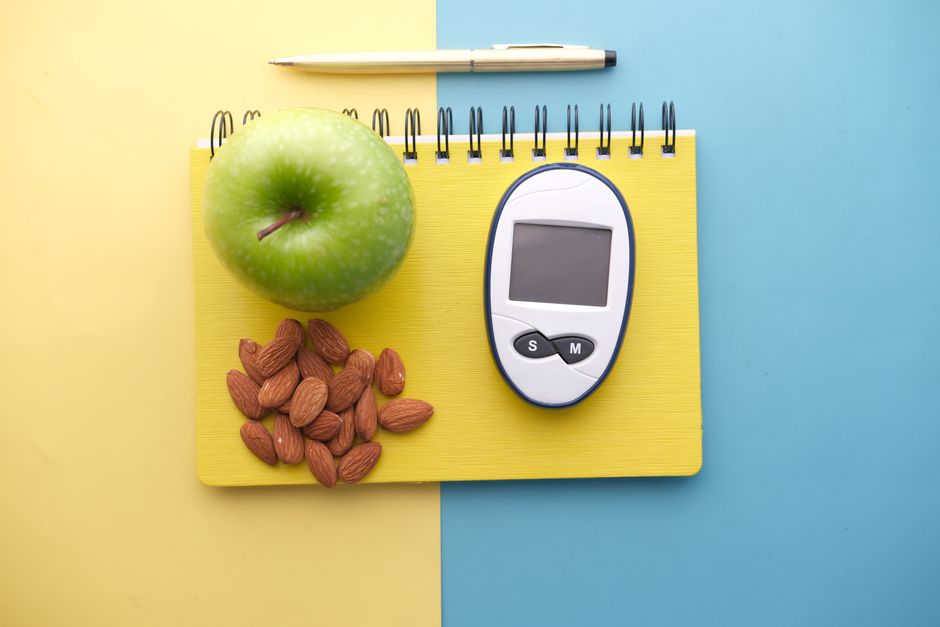
Keeping your blood sugar steady is one of the most effective things you can do for your energy, mood, and long-term health. You regulate blood sugar by balancing what you eat, how you move, and how well you sleep. The most powerful tools are choosing the right carbohydrates, eating them in the right order, and building consistent habits that your body can predict.
Why Blood Sugar Spikes and Crashes Happen
When you eat carbohydrates, your body breaks them down into glucose. That glucose enters your bloodstream, and your pancreas releases insulin. Insulin acts like a key, unlocking your cells so they can take in the glucose for energy.
This system works well when your body responds to insulin normally. Problems start when you eat large amounts of fast-digesting carbs, like sugary drinks or white bread, on an empty stomach. Your blood sugar rises quickly. Your pancreas has to release a large burst of insulin to handle it. That burst often overshoots, pushing too much glucose into your cells. The result is a blood sugar crash a few hours later, which leaves you tired, hungry, and craving more sugar.
Over time, if your cells stop responding to insulin as well as they should, your pancreas has to work harder. This condition is called insulin resistance. It is the main driver of type 2 diabetes, and it develops gradually over years. The good news is that lifestyle habits can improve how your body responds to insulin, even if you have had insulin resistance for a while.
How To Regulate Blood Sugar Levels Through Food Order
The order in which you eat your food matters more than most people realize. Studies have shown that eating vegetables and protein before carbohydrates leads to a smaller blood sugar rise after the meal. This is sometimes called meal sequencing.
Here is why it works. Fiber from vegetables slows down how quickly food leaves your stomach. Protein and fat also slow digestion. When you eat these first, the carbohydrates you eat afterward are absorbed more gradually. Your blood sugar rises more slowly, and your pancreas does not have to release a huge burst of insulin.
A simple rule is to fill half your plate with non-starchy vegetables first. Eat some of those vegetables before you touch the rice, pasta, or bread. Add a source of protein like chicken, fish, eggs, or beans to the meal. This approach does not require you to give up the foods you love. It just changes the order in which you eat them.
The Role of Fiber in Slowing Sugar Absorption
Fiber is a type of carbohydrate that your body cannot digest. It does not raise blood sugar because it is not broken down into glucose. Instead, it passes through your digestive tract mostly intact. Soluble fiber, found in oats, beans, apples, and carrots, forms a gel-like substance in your gut. That gel traps carbohydrates and slows their absorption.
This is why a bowl of oatmeal causes a gentler blood sugar response than a bowl of sugary cereal, even if both have similar total carbohydrates. The fiber in the oatmeal changes how fast the glucose enters your bloodstream.
Most adults should aim for 25 to 38 grams of fiber per day, but most Americans get only about half that amount. You do not need to overhaul your diet overnight. Add a serving of beans to your lunch, switch to whole fruit instead of juice, and choose whole grain bread instead of white bread. Small changes add up quickly.




Which Carbohydrates To Choose and Which To Limit
Not all carbohydrates are created equal. The glycemic index is a scale that ranks how quickly a carbohydrate raises blood sugar. High-glycemic foods, like white rice, white bread, and sugary drinks, cause rapid spikes. Low-glycemic foods, like lentils, sweet potatoes, and whole oats, cause slower, smaller rises.
The total amount of carbohydrates also matters. You can eat a moderate amount of a high-glycemic food and still keep your blood sugar stable, as long as you pair it with protein, fat, or fiber. The reverse is also true. Even a healthy food like brown rice can spike blood sugar if you eat a huge portion.
One of the most effective single changes is to eliminate sugary drinks. Liquid sugar has no fiber, no protein, and no fat to slow its absorption. A can of soda delivers roughly 40 grams of fast-digesting sugar directly into your bloodstream. Your body has no way to slow that down. Water, unsweetened tea, and coffee are all better choices.
Why Protein and Healthy Fats Keep You Stable
Protein and fat do not raise blood sugar directly. They play a different role. They slow down how quickly your stomach empties, which means the carbohydrates you eat alongside them are absorbed more slowly. They also keep you full longer, which reduces the urge to snack on sugary foods between meals.
Good protein sources include eggs, chicken, fish, Greek yogurt, and tofu. Healthy fats include olive oil, avocados, nuts, and seeds. You do not need to eat large amounts. A handful of almonds or a serving of yogurt with your meal is enough to make a measurable difference in your blood sugar response.
One caution is worth mentioning. Many people think that eating fat and protein alone is enough to prevent blood sugar problems. It is not. A diet very high in saturated fat can worsen insulin resistance over time. The goal is balance, not replacement. Carbohydrates are your body’s preferred fuel source. The key is choosing slower-digesting ones and pairing them with protein and fat.
How Physical Activity Directly Lowers Blood Sugar
Exercise works on blood sugar through a separate mechanism from diet. During physical activity, your muscles need more glucose for fuel. They can pull glucose from your blood without needing as much insulin. This is why a single session of exercise can lower blood sugar within hours.
Regular exercise has an even bigger benefit. It improves insulin sensitivity, meaning your cells respond better to insulin over time. This effect lasts for up to 48 hours after a workout, which is why consistency matters more than intensity.
Both aerobic exercise and strength training are effective. Aerobic exercise, like walking, running, or cycling, burns glucose quickly. Strength training builds muscle, and muscle tissue is one of the largest consumers of glucose in your body. More muscle means your body has more places to store glucose, which keeps it out of your bloodstream.
If you sit for most of the day, even light walking after meals can help. A 10 to 15 minute walk after eating has been shown to reduce the blood sugar rise from that meal. This is one of the simplest and most underused tools available.
Sleep and Stress: The Overlooked Blood Sugar Factors
Blood sugar regulation is not only about food and exercise. Sleep and stress hormones directly affect how your body handles glucose. When you do not sleep enough, your body releases more cortisol and adrenaline. These stress hormones signal your liver to release stored glucose, which raises your blood sugar even if you have not eaten.
One night of poor sleep can measurably reduce insulin sensitivity the next day. Chronic short sleep, meaning less than seven hours per night on a regular basis, is associated with a higher risk of developing type 2 diabetes. The exact mechanism is complex, but the link is well established in research.
Stress works the same way. Acute stress raises blood sugar. Chronic stress keeps cortisol levels elevated, which over time promotes insulin resistance. Managing stress is not a vague wellness suggestion. It is a concrete step you can take to improve your blood sugar numbers.
Practical steps include keeping a regular sleep schedule, limiting caffeine in the afternoon, and building a wind-down routine before bed. For stress, even a few minutes of slow breathing or a short walk can lower cortisol levels enough to make a difference.
When To Test and What the Numbers Mean
If you want to know how your habits are working, you need data. A fasting blood glucose test measures your blood sugar after you have not eaten for at least eight hours. A normal fasting glucose is under 100 mg/dL. A fasting level of 100 to 125 mg/dL indicates prediabetes. A level of 126 mg/dL or higher on two separate tests indicates diabetes.
Another common test is the hemoglobin A1c. This measures your average blood sugar over the past two to three months. A normal A1c is below 5.7 percent. An A1c of 5.7 to 6.4 percent indicates prediabetes, and 6.5 percent or higher indicates diabetes.
If you do not have diabetes, you do not need to test your blood sugar daily. Testing is most useful if you have been diagnosed with prediabetes or diabetes, or if your doctor has recommended it. Some people without diabetes use continuous glucose monitors to see how different foods affect them. This can be informative, but it is not necessary for most people.
If your fasting glucose or A1c is in the prediabetes range, lifestyle changes can often bring it back to normal. Weight loss of 5 to 7 percent of your body weight, combined with regular physical activity, has been shown to reduce the risk of progressing to type 2 diabetes. These changes are not a cure, but they are powerful enough to reverse prediabetes in many cases.
Frequently Asked Questions
What is the fastest way to lower blood sugar?
Physical activity is the fastest natural way to lower blood sugar because active muscles pull glucose from the blood without needing much insulin. Drinking water also helps by helping your kidneys flush out excess glucose.
Can drinking water lower blood sugar?
Drinking water helps your kidneys remove excess glucose through urine, which can lower blood sugar modestly. Staying well hydrated also keeps your blood volume normal, which prevents your blood sugar from becoming overly concentrated.
Does apple cider vinegar really help with blood sugar?
Some small studies suggest that taking vinegar with a meal can slightly reduce the blood sugar rise afterward. The effect is modest, and it does not replace diet, exercise, or medication.
How long does it take to lower blood sugar with diet and exercise?
Some people see improvements in fasting blood sugar within a few days of changing their habits. More meaningful changes in A1c typically take about two to three months, which is the lifespan of a red blood cell.
