
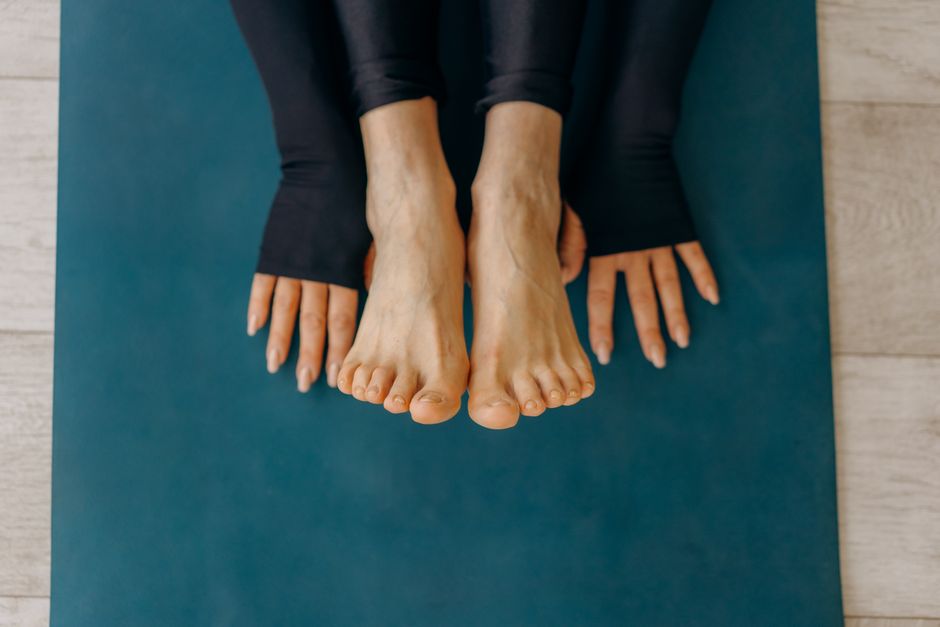
Swollen feet and ankles are a common problem, especially after long days on your feet, during hot weather, or late in pregnancy. The medical term is edema, and it happens when fluid builds up in the spaces between your body’s cells. For most people, the fix is straightforward: elevate your legs, move more, and cut back on salt. If the swelling is sudden, painful, or comes with other symptoms like chest pain or shortness of breath, stop reading and call a doctor immediately — that can be a sign of a blood clot or heart problem.
Why Do Feet and Ankles Swell?
Gravity is the main culprit. Blood and fluid naturally pool in your lower legs when you sit or stand for long stretches. Your circulatory system relies on movement and muscle contractions to push fluid back up toward your heart. When you are still for hours, that return flow slows down.
Diet plays a big role too. A high-sodium meal causes your body to hold onto extra water. Hormonal changes, like those during pregnancy or a menstrual cycle, can also trigger fluid retention. Some medications, including blood pressure drugs, steroids, and certain antidepressants, list swelling as a side effect.
Underlying health conditions matter as well. Chronic venous insufficiency, where the veins in your legs have trouble sending blood back to the heart, is one of the most common medical causes. Heart, kidney, or liver disease can also cause fluid buildup, but that swelling is usually persistent and often affects both legs equally.
How To Reduce Swollen Feet And Ankles: What Works Fast
If you need quick relief, start with the basics. Elevate your legs above heart level for 15 to 20 minutes. This uses gravity to help drain fluid back toward your torso. Lie flat on a bed or couch and prop your feet up on pillows or the armrest.
Move your legs. Walk around for a few minutes every hour if you sit at a desk. If you stand for work, shift your weight, walk in place, or do calf raises. The calf muscle acts as a pump — when it contracts, it squeezes veins and pushes blood upward. This is not a theory; it is how your circulatory system is designed to work.
Apply a cold compress to the swollen area for 10 to 15 minutes. Cold constricts blood vessels, which can reduce the amount of fluid leaking into the tissue. Do not apply ice directly to the skin — wrap it in a towel first.
Compression socks are one of the most effective tools. They gently squeeze your lower legs, which helps veins push blood back toward your heart. You can buy them at most drugstores without a prescription. If you have a medical condition that causes swelling, a doctor can prescribe graduated compression stockings with a specific pressure rating.
Long-Term Changes That Prevent Swelling
The most effective long-term strategy is cutting sodium. The average American consumes far more salt than the body needs. Processed foods, restaurant meals, and deli meats are the biggest sources. Cooking at home with fresh ingredients gives you control over salt intake.
Drink more water. It sounds backwards, but dehydration can actually make your body hold onto fluid. When your body senses low water levels, it releases hormones that tell your kidneys to conserve water. Staying well-hydrated helps your kidneys flush out excess sodium and fluid.
Exercise regularly. Walking, swimming, and cycling all improve circulation in your lower legs. The key is consistency — a 30-minute walk most days of the week does more than a long hike once a month. If you are new to exercise, start slow and build up gradually.
Maintain a healthy weight. Excess body weight puts extra pressure on your veins and makes it harder for fluid to return to your heart. Weight loss does not cure all swelling, but it can reduce the strain on your circulatory system.




When Swelling During Pregnancy Needs Attention
Mild swelling in the feet and ankles is normal during pregnancy, especially in the third trimester. The growing uterus presses on veins in the pelvis, which slows blood return from the legs. Hormonal changes also contribute to fluid retention.
Lie on your left side to take pressure off the inferior vena cava, the large vein that returns blood to your heart. This simple position change can noticeably reduce leg swelling in late pregnancy. Elevate your feet when sitting, and avoid standing for long periods.
Sudden or severe swelling during pregnancy is different. If your face or hands swell suddenly, if swelling is much worse in one leg than the other, or if it comes with a headache, vision changes, or upper belly pain, contact your obstetrician right away. These can be signs of preeclampsia, a serious condition that requires medical management.
Medical Treatments for Chronic Swelling
When lifestyle changes are not enough, a doctor may recommend prescription-strength compression stockings. These are fitted to your exact leg measurements and apply a specific amount of pressure, usually between 20 and 30 mmHg. They work better than over-the-counter options for people with moderate to severe swelling.
Diuretics, sometimes called water pills, are prescription medications that help your kidneys remove excess fluid. They are not a first-line treatment for simple foot swelling. Doctors prescribe them for swelling linked to heart failure, kidney disease, or liver disease. They require monitoring because they can deplete potassium and other electrolytes.
Some clinicians recommend manual lymphatic drainage, a specialized form of massage. It uses gentle, rhythmic strokes to encourage lymph fluid to move toward lymph nodes. Evidence for its effectiveness is strongest in people with lymphedema, a specific condition where lymph fluid accumulates. For general foot swelling, results vary and the evidence is less clear.
Red Flags: When Swelling Is a Warning Sign
Most foot swelling is harmless and temporary. But some swelling signals a medical emergency. Seek immediate care if swelling happens suddenly, affects only one leg, or comes with pain, redness, or warmth in the calf. These are classic signs of deep vein thrombosis, a blood clot that can travel to the lungs.
Swelling with shortness of breath, chest pain, or difficulty breathing can indicate heart failure or a pulmonary embolism. This is a medical emergency — call 911. Swelling that does not improve after a few days of elevation and rest, or that gets progressively worse, deserves a medical evaluation.
Pitting edema is worth understanding. Press your thumb into the swollen area for a few seconds and release. If an indentation remains, that is called pitting edema. It indicates more significant fluid buildup and is worth mentioning to your doctor, especially if it is new or worsening.
Myths About Swollen Feet That Need Clearing Up
One common myth is that soaking your feet in hot water helps. It does not. Heat dilates blood vessels, which can actually increase fluid leakage into surrounding tissue. Cool water or a cold compress is the better choice.
Another myth is that swelling means you are drinking too much water. The opposite is usually true. Your body holds onto fluid when it thinks it is dehydrated. Drinking enough water helps your kidneys flush excess sodium and fluid.
Some people believe that sleeping with a pillow under your feet is enough to fix chronic swelling. It helps for overnight relief, but it does not address the underlying cause. If you wake up with normal-sized feet but they swell during the day, you still need to address the daytime triggers like prolonged sitting or high salt intake.
Frequently Asked Questions
How long does it take for swollen feet to go down?
Mild swelling from sitting or standing usually improves within a few hours of elevation and movement. Swelling from an injury or medical condition can take days to weeks to resolve.
Are compression socks safe for everyone?
Compression socks are generally safe, but people with peripheral artery disease or diabetes-related nerve damage should talk to a doctor before using them. A medical evaluation can determine if compression is appropriate for your specific situation.
Can drinking more water reduce foot swelling?
Yes, staying hydrated helps your kidneys remove excess sodium and fluid from your body. Dehydration can trigger hormone signals that make your body hold onto fluid instead.
Does walking make swollen ankles worse?
No, walking usually helps because calf muscle contractions pump fluid back toward your heart. If walking increases pain or swelling, stop and consult a doctor — that can signal an injury or circulation problem.
