
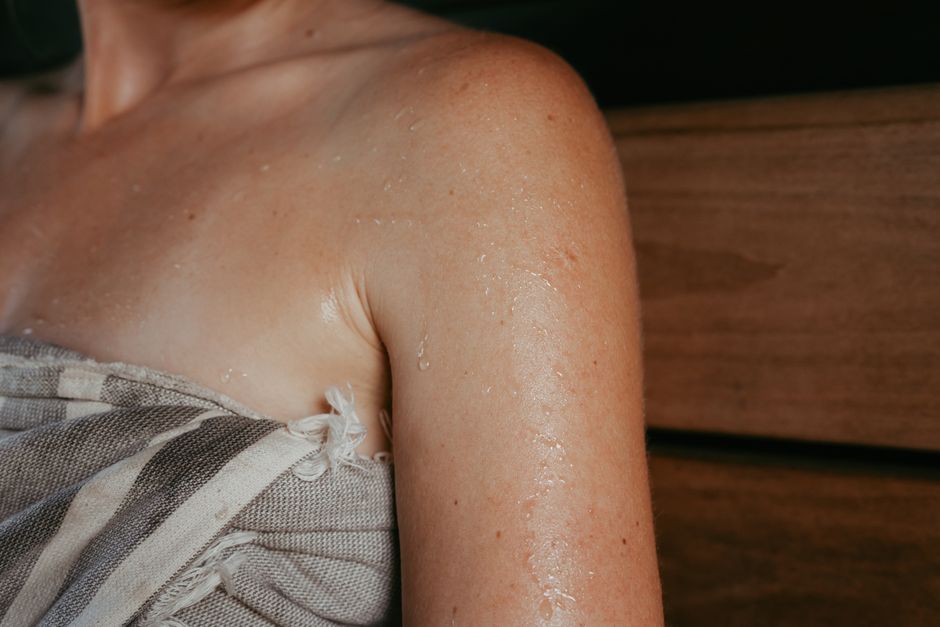
Armpit sweating is a normal bodily function. Everyone sweats, and the underarms are one of the most active sweat zones on the body. The goal is not to stop sweating completely—that would disrupt your body’s cooling system—but to manage it so it does not interfere with your day. For most people, a combination of the right antiperspirant, simple lifestyle adjustments, and knowing how your body responds to heat and stress is enough to keep the problem under control. For others with more severe sweating, prescription options exist. Here is a clear breakdown of what works, what the evidence shows, and where to start.
What Actually Causes Armpit Sweating?
Sweating is controlled by the sympathetic nervous system, the same system that manages your fight-or-flight response. The underarms contain a high concentration of eccrine glands, which produce a watery, odorless sweat designed to cool the body down. When your core temperature rises—from heat, exercise, or spicy food—these glands activate.
Emotional stress is a separate trigger. Stress activates the apocrine glands, which are also concentrated in the armpits. Apocrine sweat is thicker and contains proteins and fats that bacteria on the skin feed on, which is what creates body odor. Understanding this distinction matters because it explains why some people sweat heavily during a stressful meeting but barely sweat during a workout, and vice versa.
Most cases of heavy armpit sweating have no identifiable medical cause. This is called primary focal hyperhidrosis. It often begins in adolescence and may have a genetic component. If you have always sweated heavily from your armpits without any other symptoms, this is likely the category you fall into. Less commonly, excessive sweating can be a symptom of an underlying condition such as an overactive thyroid, low blood sugar, or an infection. If your sweating started suddenly in adulthood, or if you also experience night sweats, fever, or unexplained weight loss, that warrants a medical evaluation.
How To Reduce Sweating In Armpits With Antiperspirants
Antiperspirants are the first-line treatment for armpit sweating, and they are not the same as deodorants. Deodorants only mask or neutralize odor. Antiperspirants physically block sweat ducts. The active ingredient, typically an aluminum-based compound, forms a temporary plug inside the sweat duct when it mixes with moisture. This reduces the amount of sweat that reaches the skin surface.
For best results, apply antiperspirant at night. This is not marketing advice; it is based on how the product works. Sweat ducts are less active at night, which allows the aluminum to penetrate deeper and form a more effective plug. A morning application is less effective because the ducts are already active and producing sweat, which washes the product away before it can work. If you apply at night and still feel you need extra protection in the morning, a light morning application is fine, but the nighttime dose is the one doing the heavy lifting.
Over-the-counter antiperspirants typically contain 10–20% aluminum salts. If these do not control your sweating, prescription-strength options contain 20–25% aluminum chloride. These are applied at night and can cause skin irritation, so they are usually started on alternating nights until your skin adjusts. If you develop itching, burning, or a rash, wash the area and allow it to heal before reapplying.
Does Botox Work for Armpit Sweating?
Yes. Botulinum toxin type A, commonly known as Botox, is an FDA-approved treatment for severe primary axillary hyperhidrosis. It works by blocking the chemical signal that tells the sweat glands to activate. It does not stop all sweating; it reduces it significantly in the treated area.
The procedure involves multiple small injections across the underarm area. The effect is not permanent. On average, it lasts between 4 and 12 months, after which repeat treatments are needed. The procedure is generally well tolerated, though it can be uncomfortable. Some people report temporary weakness in the fingers or hands, but this is rare when the injections are performed by an experienced clinician.
Botox is not a first-line treatment. It is typically considered after topical antiperspirants have failed. It is also expensive, and insurance coverage depends on your plan and whether you meet specific criteria for severity. If you are considering it, the conversation starts with your primary care doctor or a dermatologist.



What About Oral Medications and Medical Devices?
Oral medications are an option for people who do not respond to topical treatments. The most common class is anticholinergics, such as glycopyrrolate. These work by blocking the neurotransmitter acetylcholine, which is involved in sweat production. They can be effective, but they are not selective. They reduce sweating all over the body, which means they also cause dry mouth, dry eyes, blurred vision, and constipation. These side effects limit their use for many people.
There are also medical devices approved for treating underarm sweating. One category uses iontophoresis, which passes a mild electrical current through water and into the skin. It is more commonly used for hands and feet, but some devices are designed for the underarms. Another option is microwave thermolysis, which uses microwave energy to destroy sweat glands permanently. This is a procedure performed by a dermatologist. It can be effective, but it is invasive, expensive, and not covered by all insurance plans. The long-term effects of destroying sweat glands are still being studied, and some people report altered sensation in the underarm area afterward.
The evidence for these options is real but varies in strength. Anticholinergics have decades of clinical use. Microwave thermolysis has published clinical trials showing significant sweat reduction. Neither is a perfect solution, and both come with trade-offs that need a conversation with a specialist.
Lifestyle Factors That Make Armpit Sweating Worse
Certain daily habits can amplify how much you sweat, even if you do not have a sweating disorder. Caffeine is a stimulant that activates the nervous system and can increase sweat output. Alcohol dilates blood vessels and can raise skin temperature, which also triggers sweating. Spicy foods contain capsaicin, which tricks the body into thinking it is hotter than it is, leading to a sweat response.
Clothing matters more than most people realize. Tight synthetic fabrics trap heat and moisture against the skin. Loose, breathable fabrics like cotton or moisture-wicking athletic materials allow air to circulate and sweat to evaporate, which helps regulate temperature. Dark-colored clothing hides sweat stains better than light colors, and layered clothing can help you remove a layer before you start sweating.
Body weight also plays a role. Extra body weight increases the amount of insulation between your core and the environment, which means your body has to work harder to cool itself. This is not a judgment or a quick fix—it is a physiological fact. Weight loss, if needed, can reduce overall sweating, but it is not a guaranteed cure for armpit-specific sweating.
When To See a Doctor About Armpit Sweating
There is no single number that defines “too much” sweating. The practical question is whether it interferes with your quality of life. If you avoid certain clothes, avoid raising your arms in public, change shirts multiple times a day, or feel anxious about handshakes and hugs, it is reasonable to seek help.
See a doctor if your sweating is severe enough to affect your daily activities. A dermatologist is the most appropriate specialist for this issue. They can assess whether your sweating fits the pattern of primary hyperhidrosis or whether it warrants testing for an underlying condition. They can also prescribe stronger antiperspirants, discuss oral medications, or refer you for Botox or other procedures.
Seek medical attention promptly if your sweating is accompanied by other symptoms. Sudden onset of heavy sweating with chest pain, shortness of breath, or dizziness can be a sign of a heart attack. Night sweats accompanied by fever and unexplained weight loss warrant a workup for infection or other systemic illness. These scenarios are not about armpit sweating as a cosmetic issue; they are about a change in your body’s baseline that needs investigation.
Frequently Asked Questions
How often should I apply antiperspirant?
Apply it once at night for best results. If you still need protection during the day, a light morning application is acceptable.
Is it safe to use prescription-strength antiperspirant every day?
Most people can use it daily, but it can cause skin irritation. Start on alternating nights and let your skin adjust before increasing frequency.
Can shaving my armpits reduce sweating?
Shaving does not reduce the amount of sweat you produce, but it can reduce odor. Hair traps sweat and bacteria, which prolongs odor.
Does diet affect armpit sweating?
Yes. Caffeine, alcohol, and spicy foods can increase sweating in some people. Reducing these may help, but results vary from person to person.
