
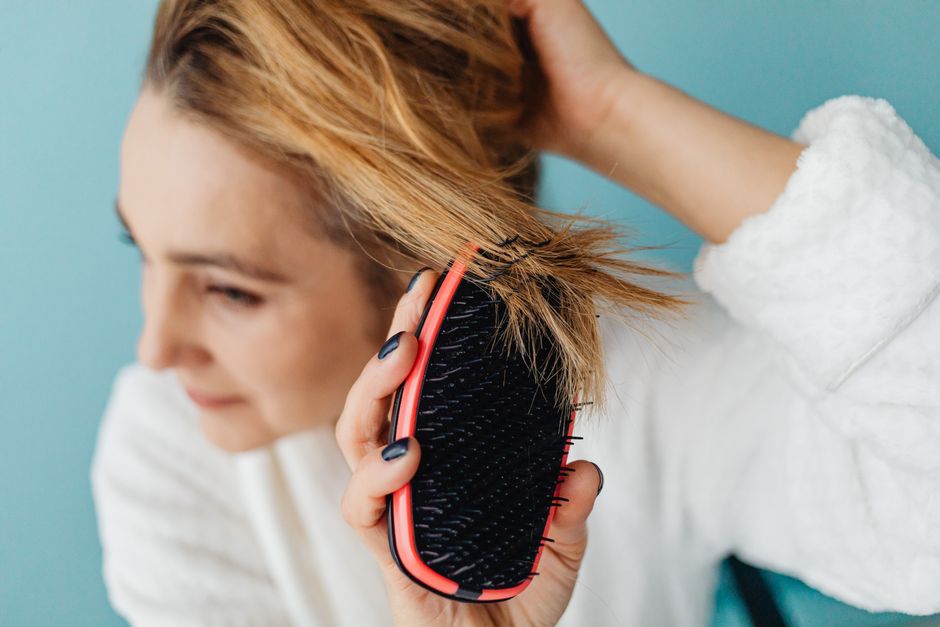
Static hair happens when your hair builds up an electric charge. This charge makes strands repel each other, causing flyaways and that annoying crackle. The fix is straightforward: you need to add moisture back into your hair and reduce friction. Start by switching to a moisturizing shampoo and conditioner. After washing, apply a leave-in conditioner or a lightweight hair oil while your hair is still damp. Dry your hair with a microfiber towel instead of a regular cotton one. If you use a blow dryer, keep it on a low heat setting and finish with a cool shot. Before you head out the door, rub a dryer sheet gently over your hair or spritz on a small amount of hairspray to lock down the charge. These steps work because they address the root cause: dry hair and friction.
What Actually Causes Static in Hair?
Static electricity builds up when two surfaces rub against each other and then separate. In your hair, this happens constantly. Your hair strands rub against your brush, your pillow, your scarf, and even the air itself. When the air is dry, especially in winter, the charge has nowhere to go. It stays on your hair.
Dry hair holds a static charge much more easily than moisturized hair. The outer layer of each strand, called the cuticle, lifts up when hair is dry. This creates more surface area for friction to happen. Research published in the Journal of Cosmetic Science confirms that hair with lower moisture content shows significantly higher static charge buildup. The fix is not complicated: you need to seal moisture into the hair shaft and reduce the friction that creates the charge in the first place.
Synthetic materials make the problem worse. Polyester hats, acrylic scarves, and nylon brushes all generate more static than natural fibers. Cotton and silk generate far less. This is a simple physics fact. The triboelectric series ranks materials by how easily they give up or accept electrons. Synthetic fabrics sit at the top of this list, meaning they are the worst offenders for static hair.
How Does Moisture Stop Static Hair?
Water is a conductor. When your hair contains enough moisture, any electric charge that builds up can travel along the water molecules and dissipate into the air. Dry hair acts like an insulator. The charge builds up and stays put because there is no path for it to escape.
The key is not just washing your hair more. Washing strips natural oils from your scalp. Over-washing can actually make static worse by leaving hair drier than before. The goal is to add moisture back in after washing. A good conditioner works by coating the hair shaft with ingredients that hold water close to the strand. Ingredients like glycerin, panthenol, and aloe vera are humectants. They pull moisture from the air into your hair.
One non-obvious insight: hard water can make static worse. Minerals in hard water build up on the hair shaft over time. This coating prevents moisture from penetrating. If you live in an area with hard water, a clarifying shampoo once a week can help. Follow it with a deep conditioner. The difference is noticeable within a few washes.
What Products Actually Reduce Static Hair?
Not all products work equally well. Some just coat the hair temporarily. Others actually address the moisture imbalance. Here is what the evidence supports.
| Product Type | How It Works | Best For |
|---|---|---|
| Leave-in conditioner | Adds ongoing moisture throughout the day | Fine to medium hair |
| Hair oil (argan, jojoba, coconut) | Seals moisture into the shaft | Thick or curly hair |
| Silicone-based serums | Creates a smooth barrier that reduces friction | All hair types, but use sparingly |
| Humidity spray | Adds a fine layer of water and humectants | Dry indoor environments |
| Dryer sheets | Transfer anti-static chemicals to hair | Quick fix, not daily use |
Leave-in conditioners are the most reliable option for most people. They provide continuous moisture release throughout the day. Hair oils work well but can weigh down fine hair if you use too much. Silicone serums are effective but some people avoid them because they can build up over time. A clarifying shampoo once every two weeks removes that buildup.
Dryer sheets are a legitimate quick fix. The anti-static chemicals in them work on hair the same way they work on laundry. Just rub one gently over your hair once. Do not use them daily. The fragrances and chemicals can irritate your scalp with repeated use.




How Should You Dry Your Hair to Avoid Static?
How you dry your hair matters more than most people realize. Rubbing wet hair with a cotton towel is one of the worst things you can do. Cotton fibers are rough. They lift the cuticle and create friction. This friction generates static and also causes frizz.
Switch to a microfiber towel or an old cotton t-shirt. These materials are much smoother. They absorb water without roughing up the hair cuticle. Pat your hair dry instead of rubbing. Squeeze out excess water gently.
If you use a blow dryer, keep these rules in mind. High heat dries out the hair shaft quickly. This makes static more likely. Use the low or medium heat setting. Keep the dryer moving constantly so no single section gets overheated. When your hair is about 80 percent dry, switch to the cool shot button. Cool air helps seal the cuticle flat. A flat cuticle reflects light better, making hair look shinier and reducing static buildup.
Air drying is generally best for reducing static, but only if your hair is not prone to frizz. If you air dry in a humid bathroom, the moisture in the air can help prevent static. If you air dry in a dry room, the opposite can happen. The water evaporates quickly and leaves your hair drier than before. A leave-in conditioner applied before air drying solves this problem.
Which Brushes and Tools Make Static Worse?
The wrong brush can undo all your other efforts. Plastic brushes are the worst. They generate significant static charge as they move through your hair. Metal brushes are better but can still cause issues if your hair is dry.
The best option is a brush with natural boar bristles. Boar bristles are similar in structure to human hair. They distribute natural oils from your scalp down the hair shaft. This adds a thin layer of moisture and reduces friction. A boar bristle brush also creates less static than any synthetic alternative.
Wide-tooth combs are another good choice. They cause less friction than brushes because they have fewer points of contact with your hair. Use a wide-tooth comb on wet hair to detangle. Never brush wet hair with a fine-tooth brush. Wet hair is weaker and more prone to breakage.
Some other tools that help reduce static:
- Silk or satin pillowcases instead of cotton
- Silk or satin scarves and hats instead of wool or acrylic
- Ionic hair dryers that emit negative ions to neutralize positive charges
- Wooden brushes with natural bristles
- Hair clips made of metal or wood instead of plastic
Ionic hair dryers are not a gimmick. They actually work by emitting negative ions that break down water molecules faster and neutralize the positive charge on your hair. Research from consumer testing labs has confirmed that ionic dryers reduce static and frizz compared to standard dryers. They are worth the investment if you blow dry your hair regularly.
How To Reduce Static In Hair During Winter Months
Winter is the worst season for static hair. Indoor heating systems dry out the air. The humidity in your home can drop below 30 percent. At that level, static builds up easily on everything, including your hair.
A humidifier is the single most effective tool for winter static. Adding moisture back into the air prevents your hair from drying out in the first place. Set a humidifier in your bedroom and run it while you sleep. Your hair absorbs moisture from the air overnight. You will wake up with less static and fewer tangles.
Wearing a hat traps heat and moisture close to your scalp. This sounds counterintuitive because hats cause friction. But a silk or satin-lined hat eliminates the friction problem while keeping your hair hydrated. If you wear a wool or acrylic hat, put a silk scarf underneath it. This creates a barrier that prevents static transfer.
One more winter tip: avoid touching your hair too much. Every time you run your fingers through your hair, you add friction and transfer charge. The more you touch it, the more static builds up. This is especially true when your hands are dry from winter air. Rub a tiny amount of hand lotion on your palms and then smooth your hair down. The moisture in the lotion helps neutralize the charge.
Frequently Asked Questions
Can hairspray stop static hair?
Yes, hairspray can stop static by adding a thin layer of product that weighs down flyaways and seals moisture in. Spray a small amount onto a brush and run it through your hair instead of spraying directly.
Does putting lotion in hair help with static?
A tiny amount of hand lotion can help by adding moisture to dry strands, but it is not designed for hair and can leave residue. Use it only as an emergency fix and wash it out at the end of the day.
Why is my hair more static after washing?
Your hair is more static after washing if you used a harsh shampoo that stripped natural oils or if you dried it with high heat. Switch to a moisturizing shampoo and conditioner and pat your hair dry instead of rubbing.
Do anti-static sprays for hair actually work?
Yes, anti-static sprays work by depositing positively charged ions that neutralize the negative charge on your hair. Most contain humectants and lightweight oils that also add moisture.
