
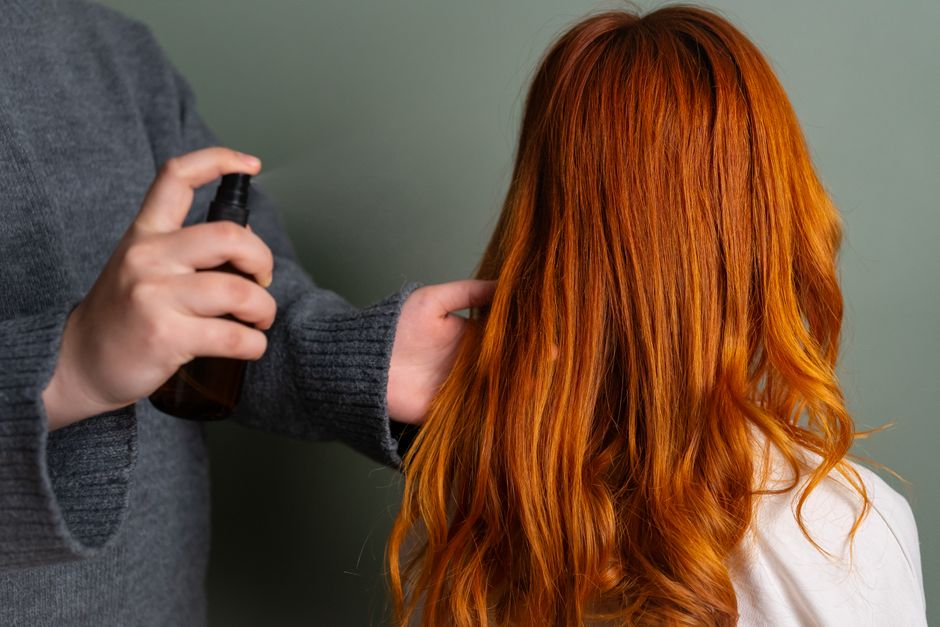
Lightening your hair naturally at home usually means using ingredients like lemon juice, honey, cinnamon, or chamomile tea to gradually lift your hair color over several applications. The process works by exposing your hair to mild acidic or enzymatic ingredients combined with sunlight or heat, which slowly breaks down melanin pigment. Expect subtle results over weeks, not dramatic changes in one day, and understand that natural methods will not lighten dark hair to a blonde shade — they work best on already light brown or blonde hair.
How Does Lemon Juice Lighten Hair and Does It Work?
Lemon juice is the most well-known natural lightener. The citric acid in lemon juice acts as a mild bleach when exposed to UV light. The sun accelerates the oxidation process, breaking down the melanin in your hair shaft.
Research on this is mostly anecdotal, but the chemistry is sound. The American Academy of Dermatology notes that sun exposure alone lightens hair over time. Lemon juice speeds this up because it is acidic and opens the hair cuticle slightly, allowing UV rays to penetrate deeper.
To use it, mix fresh lemon juice with equal parts water. Spray it onto damp hair and sit in direct sunlight for 30 to 60 minutes. Rinse thoroughly and condition well afterward. Lemon juice is drying, so do not do this more than once a week.
Results are subtle and gradual. You will likely need three to five applications before seeing a noticeable change. Lemon juice works best on hair that is already light brown or blonde. Dark brown or black hair will only show a slight reddish tint at most.
Can Honey and Cinnamon Really Lighten Hair?
Honey and cinnamon are a popular combination in natural hair lightening recipes. The idea is that honey produces small amounts of hydrogen peroxide when diluted with water. Cinnamon is added because it may activate the peroxide release.
A 2012 study published in the Journal of Cosmetic Dermatology tested honey as a hair lightener. Researchers found that a 50% honey solution applied for one hour produced measurable lightening after several treatments. The effect was mild but real.
Here is how to make it at home. Mix two tablespoons of raw honey with one tablespoon of cinnamon powder. Add enough distilled water to make a paste. Apply it to damp hair and cover with a shower cap. Leave it on for one to two hours, then rinse thoroughly with warm water.
Some people report faster results if they sit in the sun while the mask is on. The heat may help activate the peroxide. But the evidence here is thin. Most of what is claimed about cinnamon comes from personal blogs, not clinical studies.
What Does Research on Chamomile Tea Lightening Show?
Chamomile tea is often recommended for gentle, gradual lightening, especially for blonde or light brown hair. The active compound in chamomile is apigenin, a flavonoid that may block an enzyme involved in melanin production.
A 2012 study in the Journal of Ethnopharmacology found that apigenin did inhibit melanin synthesis in human skin cells. Whether this translates to meaningful hair lightening through rinsing is less clear. The concentration in a tea rinse is likely low.
To try it, brew a strong cup of chamomile tea using three to four tea bags. Let it cool completely. Pour it over clean, damp hair and let it sit for 30 minutes. Rinse with cool water. Repeat after every wash for several weeks to see a subtle golden effect.
This method is very gentle. It will not damage your hair, but it also will not produce dramatic results. If you have dark hair, you may not notice any change at all. Chamomile is best used to enhance existing blonde tones rather than create new ones.





What Are the Side Effects of Natural Hair Lightening?
Natural does not mean risk-free. The most common side effect is dryness. Lemon juice, honey, and even chamomile can strip natural oils from your hair over repeated use. Dry hair becomes brittle, frizzy, and prone to breakage.
Sun exposure adds another layer of damage. UV rays break down not just melanin but also the protein structure of your hair. The CDC warns that UV radiation damages hair cuticles, leading to roughness and split ends. Combining lemon juice with sun exposure concentrates this damage.
Scalp irritation is also possible. Lemon juice is acidic enough to sting if you have any cuts or sensitivity. Cinnamon can cause a burning sensation on the skin for some people. Always do a patch test on a small area of your arm or behind your ear before applying any mixture to your whole head.
Uneven results are another real problem. Natural methods do not distribute evenly the way chemical dyes do. You may end up with patchy lighter spots, especially if you do not apply the mixture thoroughly or if sun hits only certain areas of your hair.
| Ingredient | How It Works | Best For | Risk Level |
|---|---|---|---|
| Lemon Juice | Citric acid + UV light breaks down melanin | Light brown to blonde hair | Medium — drying, uneven results |
| Honey + Cinnamon | Diluted honey produces hydrogen peroxide | Blonde to light brown hair | Low — mild drying |
| Chamomile Tea | Apigenin may inhibit melanin production | Enhancing blonde tones | Very low — gentle |
| Baking Soda | Abrasive — physically strips pigment | Not recommended | High — can damage cuticle |
How To Lighten Hair Naturally Step by Step Instructions
Follow these steps carefully to get the best results with the least damage. Start with clean, dry hair. Do not wash your hair the day before — natural oils protect your scalp and hair shaft.
Mix your chosen lightener. For lemon juice, use one part fresh lemon juice to two parts water. For honey and cinnamon, use two tablespoons honey, one tablespoon cinnamon, and enough water to make a spreadable paste. For chamomile, brew a strong tea with four bags and let it cool.
Apply the mixture evenly. Use a spray bottle for liquids or your fingers for pastes. Section your hair to ensure full coverage. Clip each section after applying so you do not miss any spots.
Expose your hair to sunlight or heat. If using lemon juice, sit in direct sun for 30 to 60 minutes. For honey and cinnamon, cover your hair with a shower cap and sit in the sun or use a blow dryer on low heat for 20 minutes. Chamomile does not require heat but warm tea helps absorption.
Rinse thoroughly with cool water. Do not use shampoo immediately — let the lightener fully rinse out first. Follow with a deep conditioner. Natural lighteners are drying, so conditioning is not optional.
Repeat once a week for four to six weeks. Results build slowly. Do not apply more frequently — that increases damage without faster lightening.
What to Avoid When Trying to Lighten Hair Naturally
Do not use baking soda. It is often suggested as a natural lightener because it is abrasive and can strip color. But it also damages the hair cuticle severely. The American Academy of Dermatology advises against using baking soda on hair because it can cause breakage and dryness.
Avoid leaving lemon juice on for more than one hour. Longer exposure does not mean more lightening. It just means more damage. The acid continues to break down protein after the melanin is gone.
Do not combine multiple lightening methods at once. Using lemon juice, honey, and chamomile all in the same week does not speed things up. It multiplies the drying effects and increases the chance of uneven color.
Skip the hydrogen peroxide from the drugstore. Some DIY guides suggest mixing it with lemon juice. That is not natural lightening — it is chemical lightening. Peroxide at any concentration can cause significant damage and should be used only by professionals.
Common Misconceptions About Natural Hair Lightening
One widespread myth is that vinegar lightens hair. Apple cider vinegar is acidic and can remove buildup, but it does not break down melanin. It may make hair look shinier or slightly lighter by removing residue, but it does not change your actual hair color.
Another misconception is that natural methods are completely safe. As discussed, dryness, breakage, and uneven results are real risks. The word “natural” on a recipe does not guarantee safety or effectiveness.
Some people believe that once you lighten hair naturally, it stays lighter permanently. That is not true. Natural lightening fades as new hair grows in and as the sun exposure effect wears off. You have to keep repeating treatments to maintain the color.
Finally, there is no evidence that natural lighteners can turn dark brown or black hair to blonde. The amount of melanin in dark hair is too high for acidic or enzymatic ingredients to break down significantly. If you want a dramatic color change, you need chemical bleach or professional help.
Frequently Asked Questions
How long does it take to lighten hair naturally?
Most people see subtle results after three to five weekly applications. It can take four to six weeks for a noticeable change.
Can I lighten my hair naturally if it is dark brown?
Dark brown hair will only show a slight reddish or orange tint with natural methods. Significant lightening is not possible without chemicals.
Does coconut oil lighten hair naturally?
No. Coconut oil does not lighten hair. It is used to protect hair from damage during lightening but has no color-lifting properties.
Will natural lightening damage my hair like bleach does?
Natural methods cause less damage than bleach but still dry out hair over time. Condition well and limit treatments to once a week.
