
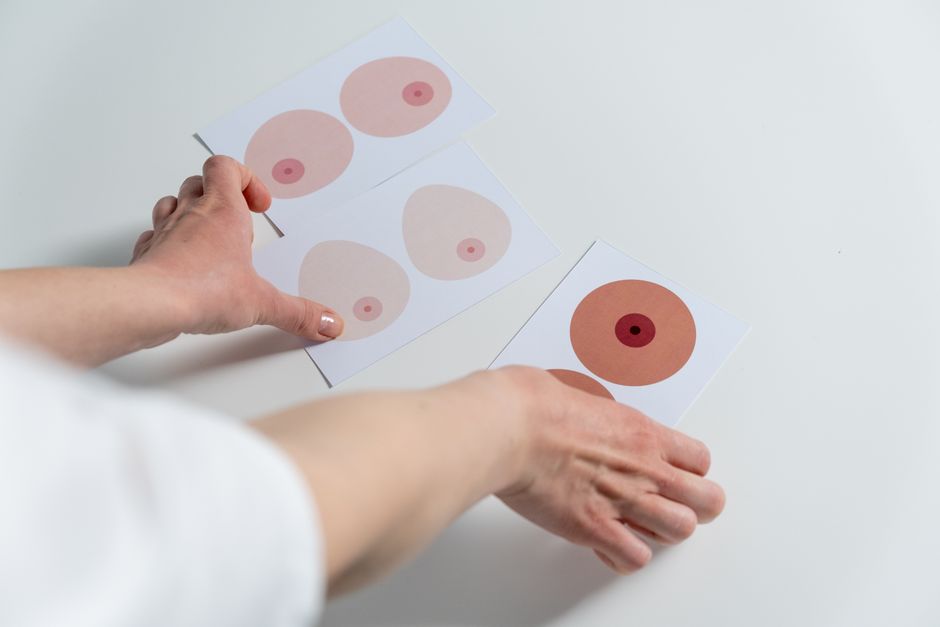
Nipple size is largely determined by genetics, body fat percentage, and hormonal factors, not by anything you consciously did. For men who want to reduce nipple size, the practical options range from addressing excess weight and chest fat to surgical procedures that physically remove or tighten tissue. Nonsurgical creams and devices marketed for this purpose have no reliable evidence behind them, so a clear understanding of what actually works is your best starting point.
What Determines Nipple Size in Men?
Nipple size is mostly a matter of genetics. Some men naturally have larger areolas or protruding nipples, and that is simply how their body developed. Hormones also play a role. Estrogen promotes breast tissue growth, while testosterone counteracts it. When the balance shifts, tissue changes can occur.
Body fat matters too. Fat tissue in the chest can push the nipple outward, making it appear larger or more prominent. This is why weight loss often changes how the chest and nipples look, even though it does not shrink the nipple itself. The nipple is made of dense tissue, not fat, so losing weight alone will not reduce its actual size.
Age can also change appearance. Skin loses elasticity over time, and the chest can sag. This can make the nipple look different even if its true size has not changed. Understanding these factors helps you separate what you can influence from what you cannot.
Can Exercise Reduce Nipple Size?
Exercise cannot directly shrink nipple tissue. The nipple is not muscle, and no workout targets it specifically. However, building chest muscle can change how the nipple sits on the chest. A stronger, fuller pectoral muscle can make the nipple appear less prominent by changing the contour around it.
If excess chest fat is the reason your nipples look large, reducing overall body fat through exercise and diet can help. Spot reduction is a myth — you cannot choose where fat leaves your body. But as overall fat decreases, the chest will typically lose some too, which can reduce nipple projection.
For men with gynecomastia, which is excess glandular breast tissue, exercise has limits. Glandular tissue does not respond to exercise the way fat does. Some men can improve the appearance significantly with chest training and fat loss. Others find that firm glandular tissue remains, and that is when surgical options become relevant.
What Is Gynecomastia and How Does It Affect Nipple Size?
Gynecomastia is the growth of breast gland tissue in males. It is common, affecting roughly 30 to 50 percent of men at some point in life, most often during puberty, middle age, or with certain medications. This tissue sits directly behind the nipple and can push it outward, making the nipple and areola appear larger.
Puberty-related gynecomastia often resolves on its own within two years. Adult-onset gynecomastia is more persistent and may be linked to low testosterone, high estrogen, obesity, liver disease, or medications such as certain antidepressants, prostate drugs, and anabolic steroids. If you feel a firm lump under the nipple or have sudden breast growth, a doctor should evaluate it to rule out more serious conditions.
When gynecomastia is the cause of large nipples, the only way to truly reduce the size is to remove the glandular tissue. Weight loss can help reduce surrounding fat, but it will not eliminate glandular tissue. This distinction matters when deciding what approach to pursue.




Do Nipple Reduction Creams or Devices Work?
No clinical evidence supports creams, serums, or suction devices for reducing nipple size in men. Marketing materials often claim these products “firm” or “tighten” the area, but the ingredients are typically moisturizers, caffeine, or herbal extracts with no proven effect on nipple tissue.
Suction devices are sometimes promoted to correct inverted nipples, but that is a different issue entirely. Even for that purpose, evidence is limited and results are not permanent. For reducing the size of healthy nipples, these devices do nothing. Avoid spending money on products that cannot deliver what they promise.
When Is Surgery the Right Option?
Surgery is the only method that directly reduces nipple size. Two main procedures exist. The first is gynecomastia surgery, which removes glandular tissue and excess fat through liposuction or direct excision. The second is a nipple reduction, which trims the nipple itself or reduces the areola diameter.
Gynecomastia surgery is appropriate when firm glandular tissue is present and causing the nipple to protrude. Nipple reduction alone is for men whose nipples are long or wide but who do not have significant glandular tissue. Some men need both procedures.
Recovery typically involves wearing a compression garment for several weeks. Swelling and bruising are expected. Most men return to work within a week and resume heavy exercise after four to six weeks. Scarring is usually minimal, with incisions placed at the edge of the areola where they are less visible.
Costs vary widely depending on the surgeon, location, and extent of the procedure. Insurance rarely covers cosmetic nipple reduction, though it may cover gynecomastia surgery when the tissue causes pain or is confirmed as a medical condition. A board-certified plastic surgeon can give you an accurate assessment after an examination.
What Are the Risks of Nipple Surgery?
Nipple surgery is generally safe, but it carries real risks. These include infection, bleeding, poor wound healing, and changes in nipple sensation. Some men lose feeling in the nipple permanently. Others experience the opposite — increased sensitivity that can be uncomfortable.
Asymmetry is a possibility. Surgeons aim for symmetry, but the body heals unevenly, and perfect matching is not guaranteed. Scar tissue can form beneath the skin, creating a firm area that may require massage or, rarely, additional surgery. Necrosis, or tissue death, is rare but possible, especially in smokers.
Choose a surgeon with specific experience in male chest procedures. Ask to see before-and-after photos of previous patients. A skilled surgeon will explain the risks honestly and tell you what results are realistic for your anatomy. If a surgeon promises perfection, that is a warning sign.
Are There Nonsurgical Alternatives Worth Trying?
Before considering surgery, some men benefit from addressing the factors they can control. If you are overweight, losing 5 to 10 percent of your body weight can visibly change chest appearance. This is a well-established effect of fat loss, even though it does not change the nipple itself.
Building chest muscle can also help. Push-ups, bench presses, and chest flies strengthen the pectorals, which can alter how the nipple projects. This takes months of consistent training, but it is a free, low-risk option that improves overall health regardless of nipple appearance.
Clothing choices can help in the short term. Compression undershirts or darker, structured fabrics reduce the visibility of prominent nipples. This is not a solution, but it can ease discomfort while you decide on a longer-term approach.
How To Reduce Nipple Size For Men: A Realistic Summary
There is no way to shrink nipple tissue without surgery. Weight loss and chest exercise can improve the surrounding area, which may make the nipple look smaller, but they do not change the nipple itself. Creams, devices, and other advertised remedies have no evidence behind them.
If nipple size causes genuine distress, a consultation with a board-certified plastic surgeon is the most direct path. They can determine whether gynecomastia surgery, nipple reduction, or both are appropriate for your anatomy. The procedure is elective, so take your time, ask questions, and choose a surgeon you trust.
For many men, the issue is more noticeable to themselves than to others. That does not make the concern invalid, but it is worth keeping perspective. If the size does not cause physical discomfort or significant emotional distress, nonsurgical approaches to chest appearance may be enough.
Frequently Asked Questions
Can nipple size change naturally over time?
Yes, nipple appearance can change with age, weight fluctuations, and hormonal shifts, but the nipple tissue itself does not naturally shrink. These changes are usually modest and related to skin elasticity and surrounding fat rather than the nipple structure.
Is nipple reduction surgery painful?
Most men report moderate discomfort for the first few days, managed with prescribed pain medication. Swelling and soreness typically subside within one to two weeks, and most patients return to normal activities within a week.
How long does it take to see final results after nipple surgery?
Initial results are visible immediately, but final results take three to six months as swelling fully resolves. Scars continue to fade for up to a year after surgery.
Will insurance cover nipple reduction for men?
Insurance rarely covers cosmetic nipple reduction, but it may cover gynecomastia surgery if the tissue causes pain or is medically confirmed. Coverage depends on your specific plan and the surgeon’s documentation.
