
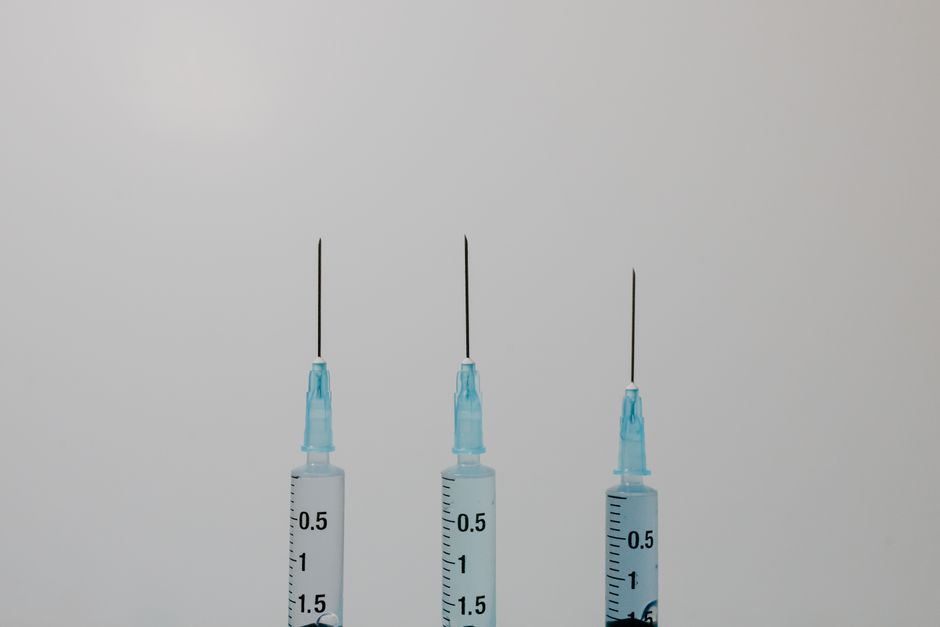
Vaccination pain is common, but it is manageable. For both kids and adults, the most effective approach combines numbing the skin beforehand, using distraction during the shot, and moving the arm right after. Simple techniques like applying a cold pack, using a topical anesthetic cream, and staying relaxed can significantly reduce discomfort. The best part is that most of these methods require no special training and can be done at home.
What Causes Vaccination Pain?
Vaccination pain comes from two main sources. The first is the needle itself piercing the skin and muscle tissue. The second is the vaccine solution being injected, which can cause a burning or stinging sensation as it spreads through the muscle.
The pain signal travels fast, but the brain can be distracted. This is why techniques that engage your senses or your attention work so well. The pain is real, but its intensity is partly shaped by how much attention you give it.
Anxiety also plays a role. People who are nervous about needles often feel more pain than those who are calm. This is not imaginary. Anxiety changes how the brain processes pain signals, making the experience worse.
How To Reduce Pain After Vaccination For Kids And Adults: The Numbing Approach
The most reliable way to reduce pain is to numb the skin before the needle goes in. For children, topical anesthetic creams are the standard approach. These creams contain lidocaine or a similar numbing agent.
Topical anesthetics work by blocking pain signals in the skin. They do not numb the deeper muscle tissue, but they eliminate the sharp sting of the needle entering the skin. For many people, that sting is the worst part.
The key with these creams is timing. They need to be applied 30 to 60 minutes before the shot to work properly. You apply a thick layer, cover it with a bandage or plastic wrap, and leave it in place until just before the injection.
For adults, the same creams work. Some clinics offer them, but you can also buy them over the counter. Ask your pharmacist about options if you are particularly needle-sensitive.
For infants, the evidence is clear that breastfeeding during the shot reduces pain. The combination of skin-to-skin contact, sweet taste, and sucking provides natural pain relief. If breastfeeding is not possible, giving a sugar solution (sucrose) on a pacifier or spoon has been shown to reduce pain in babies under six months.
Distraction Techniques That Actually Work
Distraction is not just a parenting trick. It is a scientifically supported method of pain reduction. When your brain is focused on something engaging, it has fewer resources to process pain signals.
For young children, blowing bubbles during the shot works remarkably well. The deep breathing required to blow bubbles is calming, and the visual focus keeps attention away from the needle. Some parents use pinwheels or party blowers for the same reason.
For older kids and adults, active distraction is better than passive distraction. Playing a game on a phone, watching a short video, or listening to music with headphones all require active attention. The more engaging the distraction, the less pain is perceived.
One technique that works across all ages is coughing. A single strong cough right as the needle goes in can reduce pain. The mechanism is not fully understood, but it likely involves a brief spike in blood pressure and a shift in attention.





Positioning and Relaxation Techniques
How you sit during a vaccination matters more than most people realize. For children, sitting upright on a parent’s lap is better than lying down. This position feels more secure and less intimidating.
For adults, sitting upright with your arm relaxed on a table is ideal. Tensing your arm muscles makes the injection more painful. A relaxed muscle allows the needle to pass through more easily and the vaccine to spread without resistance.
Deep breathing is a simple but effective tool. Take a slow breath in through the nose, hold it briefly, and exhale slowly through the mouth. Doing this two or three times before the shot lowers your heart rate and reduces the body’s stress response.
Avoid looking at the needle. This sounds obvious, but many people watch the injection happen. Looking away reduces the anticipation and the pain that comes with it. This is especially effective for children who tend to fixate on the needle.
After the Shot: Reducing Soreness at the Injection Site
Pain after the shot is different from pain during the shot. Once the needle is out, the soreness comes from the muscle reacting to the vaccine. This is a normal immune response, not a sign that anything went wrong.
Moving the arm is the most effective way to reduce post-vaccination soreness. Gentle arm swings, shoulder rolls, or simply using the arm for normal activities helps distribute the vaccine through the muscle and reduces stiffness. This works for both kids and adults.
A cold pack applied to the injection site for 10 to 15 minutes can reduce swelling and numb the area. Do not apply ice directly to the skin. Wrap it in a cloth or towel first.
Over-the-counter pain relievers like acetaminophen or ibuprofen can help if the soreness is bothersome. However, there is an important consideration. Some research suggests that taking these medications before or immediately after vaccination might reduce the immune response. The evidence is not definitive, but many clinicians recommend waiting until symptoms actually develop before taking pain relievers.
If your child has a fever after vaccination, treating it is appropriate. Fever is a normal immune response. But treating a fever that has not yet appeared is not recommended.
What Not To Do After Vaccination
Do not rub the injection site vigorously. Gentle pressure is fine, but rubbing can increase irritation and make the soreness worse.
Do not apply heat to the injection site in the first few hours. Heat increases blood flow, which can increase swelling. Cold is the better choice for the first day.
Do not skip the second dose because the first one hurt. The pain from vaccination is temporary and manageable. The protection from completing the series is long-lasting and important.
Do not give aspirin to children or teenagers after vaccination. Aspirin is linked to Reye’s syndrome, a rare but serious condition that affects the liver and brain. This applies to any illness or vaccination, not just COVID-19 shots.
When To Call a Doctor
Some soreness, redness, and swelling at the injection site is normal. These symptoms usually peak within 24 to 48 hours and resolve on their own. A low-grade fever is also common and not a cause for concern.
Call a doctor if the pain is severe enough to prevent normal arm movement after several days. This is uncommon, but it can indicate a more significant reaction.
Call a doctor immediately if you or your child experience signs of a severe allergic reaction. These include difficulty breathing, swelling of the face or throat, a rapid heartbeat, or dizziness. These reactions are extremely rare but require emergency medical attention.
For babies, call a doctor if a fever lasts more than three days, if the injection site becomes increasingly red or warm to the touch, or if the baby is inconsolable for more than a few hours. These could be signs of an infection at the injection site, which is different from normal vaccine soreness.
Vaccination Pain Relief: What the Evidence Shows
The evidence for topical anesthetics is strong. Multiple studies have shown that lidocaine creams significantly reduce pain in children receiving vaccinations. The evidence for distraction techniques is also well established, though the specific method matters less than the engagement level.
Breastfeeding during vaccination is supported by evidence as an effective pain relief method for infants. The combination of taste, touch, and sucking provides multi-sensory pain relief that is difficult to replicate with other methods.
The evidence for post-vaccination arm movement is less formal but widely accepted in clinical practice. Physical therapists and sports medicine specialists have long recommended gentle movement to reduce muscle soreness after injections of any kind.
Some parents ask about giving children pain relievers before the shot to prevent pain. The current clinical direction is cautious about this. While it reduces discomfort, the potential impact on immune response means it should only be used when symptoms actually appear.
Frequently Asked Questions
How long does vaccination soreness last?
Most injection site soreness peaks within 24 to 48 hours and resolves within three to five days. If pain lasts longer than a week or worsens, contact your doctor.
Can I take ibuprofen before my vaccine to reduce pain?
It is generally recommended to wait until symptoms develop before taking pain relievers. Some research suggests pre-medicating might reduce the immune response, though the evidence is not definitive.
Does moving your arm after a vaccine help with pain?
Yes, gentle arm movement after vaccination helps reduce stiffness and soreness. Simple shoulder rolls, arm swings, or normal use of the arm distributes the vaccine through the muscle.
What is the best way to reduce pain for a baby getting vaccinated?
Breastfeeding during the shot is the most effective method for infants. If breastfeeding is not possible, a sugar solution on a pacifier or spoon has been shown to reduce pain in babies under six months.
