
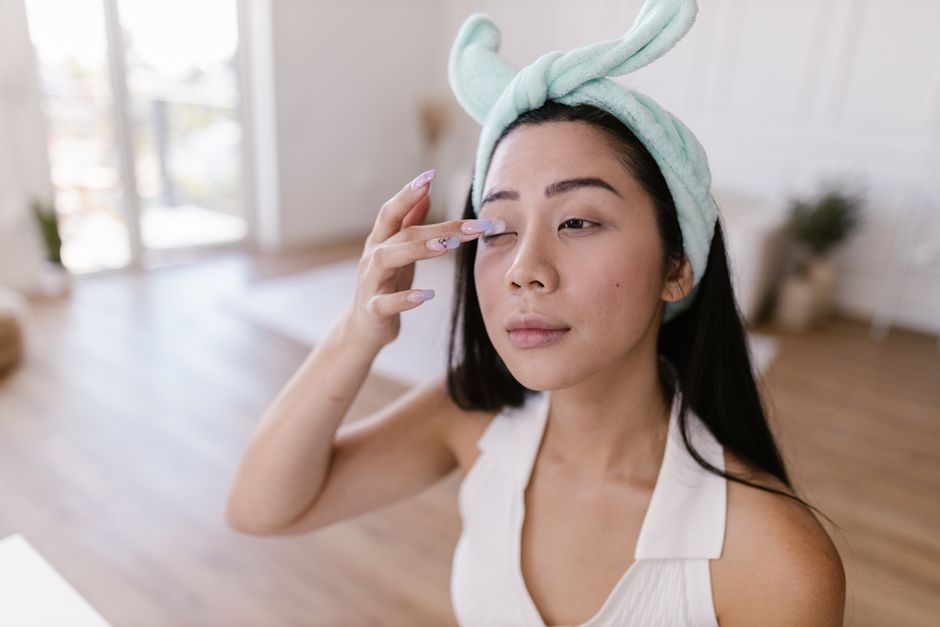
Eyelid swelling is common and usually not serious. It can come from allergies, lack of sleep, salty food, crying, or an eye infection. The fastest way to reduce it depends on the cause. For most cases, a cold compress works best. For allergy-related swelling, an antihistamine may help. If the swelling is painful, warm compresses are often better. Here is what you need to know to get relief and when to see a doctor.
What Causes Eyelid Swelling?
Swollen eyelids happen when fluid builds up in the thin tissues around your eyes. This fluid accumulation is called edema. The skin around your eyes is the thinnest skin on your body. That makes it the first place swelling shows.
Common causes include:
- Allergies — pollen, dust, pet dander, or makeup
- Lack of sleep — fluid pools around the eyes overnight
- High salt intake — sodium makes your body hold onto water
- Crying — tears are salty and draw fluid into the area
- Stye or chalazion — a blocked oil gland that becomes inflamed
- Conjunctivitis — pink eye, which may be viral or bacterial
- Injury — a bump or blow to the eye area
Less common causes include thyroid disease, kidney problems, or a skin condition called blepharitis. If your eyelid swelling is frequent or does not go away, talk to a doctor.
How To Reduce Eyelid Swelling Fast
For most swelling, a cold compress is the safest first step. Cold narrows the blood vessels. This reduces fluid leaking into the tissue. It also numbs the area, which helps with itching or mild pain.
To make a cold compress:
- Wrap ice cubes in a clean cloth — never put ice directly on your skin
- Or soak a clean washcloth in cold water and wring it out
- Place it over your closed eyes for 10 to 15 minutes
- Repeat as needed throughout the day
Keep your head elevated while you rest. This helps gravity drain fluid away from your eyes. Sleeping with an extra pillow can make a real difference overnight.
If allergies are the cause, an over-the-counter antihistamine may reduce swelling faster than a compress alone. Oral antihistamines work throughout your body. Eye drops made for allergies can also help. Look for drops labeled for itchy or red eyes.
Warm Compresses for Styes and Infections
Cold is not always the answer. If you have a stye, warm is better. A stye is a red, painful bump on the edge of your eyelid. It happens when a bacteria infects an oil gland.
Warmth helps in two ways. It brings blood to the area, which helps your immune system fight the infection. It also softens the blocked oil so it can drain on its own.
To use a warm compress:
- Soak a clean cloth in warm — not hot — water
- Wring it out completely
- Hold it over the closed eye for 5 to 10 minutes
- Do this 3 to 4 times a day
Never try to pop a stye. Squeezing it can spread the infection deeper into your eyelid. Most styes drain on their own within a week. If it does not improve, see a doctor. You may need a prescription antibiotic ointment.





Home Remedies That Actually Work
Some home remedies are backed by real evidence. Others are not. Here is what the research supports.
Chilled cucumber slices work because they are cold and full of water. They are not magical. They are simply a cold compress in a vegetable form. They feel nice and they cool the area. That is the whole mechanism.
Tea bags — specifically green or black tea — contain caffeine. Caffeine can constrict blood vessels. Some small studies suggest caffeine applied to the skin can reduce puffiness. Use cooled tea bags over closed eyes for 10 minutes. Make sure they are completely cool first.
Aloe vera gel may reduce inflammation. Some research suggests it has anti-inflammatory properties. Apply a thin layer around the eye, being careful not to get it inside the eye itself. If it stings, wash it off immediately.
Witch hazel is a natural astringent. It can tighten skin temporarily. But it can also irritate the delicate eye area. Use it sparingly, and stop if it burns.
What does not work? Raw potato slices, frozen spoons, and egg whites. These are popular internet remedies with no supporting evidence. A frozen spoon is just a cold compress with extra steps. Raw potato does nothing that a cold cloth cannot do.
When Swelling Is a Sign of Something Serious
Most eyelid swelling is harmless. But some cases need urgent medical care. Go to an emergency room or see a doctor immediately if you have:
- Swelling that comes on suddenly and spreads to your face or lips
- Difficulty breathing or swallowing
- Severe pain in or around the eye
- Changes in vision, including blurriness or double vision
- Swelling after an injury to the eye
- Fever along with eyelid swelling
Sudden swelling with breathing trouble can be a sign of anaphylaxis, a severe allergic reaction. This is a medical emergency. Call 911.
Periorbital cellulitis is another serious condition. It is an infection of the eyelid and the skin around it. It causes red, warm, painful swelling. It needs antibiotics right away. Without treatment, it can spread to the eye itself.
How To Prevent Eyelid Swelling
Prevention is easier than treatment. The most common causes of eyelid swelling are within your control.
Reduce salt. Processed foods, restaurant meals, and packaged snacks are loaded with sodium. Cutting back will reduce fluid retention throughout your body, including your eyelids.
Sleep more. Most adults need 7 to 9 hours per night. When you do not get enough, your body holds onto fluid. This is why puffy eyes are so common after a short night.
Manage allergies. If you know you react to pollen, wash your face after being outside. Keep windows closed during high pollen days. An air purifier in your bedroom can help too.
Remove makeup before bed. Leaving eye makeup on overnight can clog oil glands. This can lead to styes and irritation. Use a gentle makeup remover designed for the eye area.
Wash your hands. Touching your eyes with dirty hands can introduce bacteria. This is a leading cause of styes and pink eye.
Stay hydrated. Drinking enough water helps your body flush out excess sodium. Aim for 8 glasses a day, more if you are active or it is hot outside.
Over-the-Counter Options
If home remedies are not enough, some over-the-counter products can help.
Antihistamine eye drops work quickly for allergy-related swelling. They block histamine, the chemical that causes itching and puffiness. Use them only if you are certain allergies are the cause.
Decongestant eye drops reduce redness by narrowing blood vessels. They can also reduce puffiness. But do not use them for more than a few days. Long-term use can cause rebound redness.
Hydrocortisone cream can reduce inflammation. But it is not safe for long-term use around the eyes. It can thin the skin and raise pressure inside the eye. Use it only for a few days, and only with a doctor’s guidance.
There is no clinical evidence that any specific brand of eye cream reduces swelling better than a cold compress. Most marketing claims about “de-puffing” eye creams are not supported by large human trials.
Lifestyle Factors That Make Swelling Worse
Some everyday habits can make eyelid swelling worse without you realizing it.
Alcohol dehydrates your body. When you are dehydrated, your body holds onto whatever water it has. This can cause puffiness, especially in the morning after drinking.
Caffeine has a mixed effect. In small amounts, it can reduce puffiness by constricting blood vessels. In large amounts, it can dehydrate you. That dehydration can lead to fluid retention later.
Rubbing your eyes makes swelling worse. Rubbing stimulates blood flow and releases histamine. This creates a cycle: your eyes itch, you rub them, they swell more, and they itch more. Break the cycle with a cold compress or allergy drops instead.
Sleeping face down puts pressure on your eyes. Fluid pools in the area overnight. Sleeping on your back with your head slightly elevated is better for preventing morning puffiness.
Frequently Asked Questions
How long does eyelid swelling last?
Most eyelid swelling from allergies, lack of sleep, or salty food goes away within 24 hours. Swelling from a stye can last up to a week.
Is a cold or warm compress better for swollen eyelids?
Cold is better for allergies, crying, or general puffiness. Warm is better for styes or any painful, red bump on the eyelid.
Can I use ice directly on my eyelid?
No. Never put ice directly on your skin. Always wrap it in a clean cloth or use a cold washcloth to avoid damaging the thin skin around your eyes.
When should I see a doctor for eyelid swelling?
See a doctor if the swelling lasts more than 48 hours, is painful, affects your vision, or comes with a fever. Seek emergency care immediately if you have trouble breathing or the swelling spreads to your face.
