
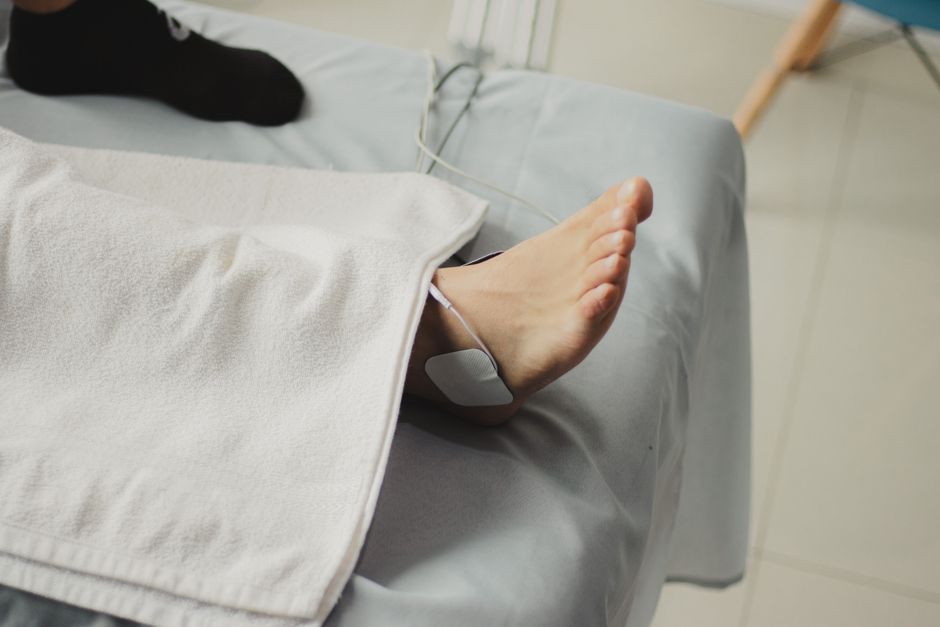
Swelling happens when fluid builds up in your tissues, and the fastest way to reduce it depends on what is causing it. For a twisted ankle or a swollen knee, elevation and gentle compression usually help within hours. For swelling that comes from your heart, kidneys, liver, or a medication, no home remedy will fix the underlying problem — that needs a doctor. The tips below cover both situations so you know what to try and when to stop trying.
What Actually Causes Swelling?
Swelling is the visible result of fluid moving out of your blood vessels and into the spaces between your cells. Doctors call this edema when it becomes noticeable.
Several things can trigger that shift. Injury damages small blood vessels, so fluid and immune cells leak into the area — that is normal healing, not a sign something is wrong. Standing or sitting for long stretches lets gravity pull fluid downward into your legs and feet. Changes in blood pressure inside your capillaries, low levels of a protein called albumin, or a blocked lymphatic system can each cause fluid to collect.
Some causes are short-lived and harmless. Others are not. Heart failure, kidney disease, liver disease, and deep vein thrombosis can all present as swelling, and so can a reaction to certain medications. That is why the same symptom can mean “put your foot up for an hour” or “call your doctor today.”
One detail worth knowing: swelling that appears in both legs is more often linked to a body-wide cause, while swelling in just one leg raises concern for a clot or local injury. That pattern is a useful clue, not a diagnosis.
How To Decrease Swelling Fast at Home
Elevation and cold are the two most reliable home measures for swelling caused by injury or prolonged standing.
Elevate above heart level. Prop the swollen limb so it sits higher than your heart. Gravity then helps fluid drain back toward your central circulation. For a foot or ankle, lying down with pillows under the leg works better than sitting with the foot on a stool, because a stool often keeps the limb at or below heart level.
Apply cold, not heat. A cold pack narrows blood vessels and can limit fluid buildup after an injury. Wrap it in a cloth and apply it for short periods rather than leaving it on continuously. Never place ice directly against skin.
Use gentle compression. An elastic bandage or compression sock can push fluid out of the tissue. It should feel snug but never cut off circulation. Numbness, tingling, or color changes mean it is too tight.
Move when you can. Calf muscles act as a pump that helps push fluid back up the leg. If you have been sitting or standing for a long time, walking around for a few minutes often helps more than anything else on this list.
What you should not do: soak a fresh injury in hot water, massage a leg that might have a clot, or keep pushing through pain. Heat and deep massage can make some types of swelling worse.
When Is Swelling a Medical Emergency?
Some swelling needs urgent care, and waiting can be dangerous. Get medical help right away if swelling comes with any of these:
- Shortness of breath, chest pain, or trouble breathing
- Swelling in one leg only, especially with pain, warmth, or redness
- Swelling of the face, lips, tongue, or throat
- Swelling that starts suddenly and spreads quickly
- Swelling after a serious injury, or a limb that looks deformed
- Chest tightness or pressure with fluid building in the belly or legs
Swelling in the face or throat can signal a severe allergic reaction, which is a true emergency. A single swollen leg can point to a blood clot that may travel to the lungs. Neither is a wait-and-see situation.
Swelling that develops slowly over days or weeks, affects both legs, or comes with weight gain and fatigue deserves a prompt appointment rather than an emergency visit — but it still needs a doctor, because the cause is often internal.





What Foods and Habits Affect Swelling?
Sodium is the biggest dietary lever most people have. Your body holds water to keep sodium concentrations balanced, so a high-salt diet can increase fluid retention. Cutting back on processed foods, canned soups, and restaurant meals is a practical first step.
Potassium works in the opposite direction of sodium in the body. Foods rich in potassium — bananas, beans, potatoes, spinach, and yogurt — are part of a normal diet, though people with kidney disease may need to limit potassium and should follow their doctor’s guidance instead.
Protein matters too. Very low blood albumin can cause fluid to leak into tissues, which is one reason poor nutrition sometimes shows up as swelling. This is a medical issue, not something to self-treat with protein powder.
Other habits that influence fluid balance:
- Staying active through the day to keep circulation moving
- Avoiding long periods of standing still or sitting without breaks
- Wearing loose clothing and shoes that do not press into the skin
- Limiting alcohol, which can affect fluid balance and liver function
Diuretics — often called water pills — are prescription medications, not supplements. They are used for specific conditions and should never be started without a doctor, because they can cause dehydration and electrolyte problems.
How Do Doctors Treat Persistent Swelling?
Treatment depends entirely on the cause, which is why a doctor will usually ask about your medications, heart, kidneys, and liver before recommending anything.
If a medication is the trigger, adjusting or switching it may resolve the swelling. Common categories linked to edema include certain blood pressure drugs, steroids, and some diabetes medications. Never stop a prescribed medication on your own.
If the cause is heart, kidney, or liver disease, treatment targets that condition. Diuretics are often part of the plan. Compression therapy, elevation, and in some cases manual lymphatic drainage are used for swelling related to the lymphatic system.
Some clinicians also recommend compression garments for long-term management of chronic leg swelling. The evidence for benefit is strongest in specific conditions such as venous insufficiency and lymphedema, and weaker for general swelling without a clear cause.
Here is a comparison of what tends to help different types of swelling:
| Type of Swelling | Likely Cause | What Usually Helps |
|---|---|---|
| Ankle sprain | Injury | Elevation, cold, compression, rest |
| Both legs, gradual | Heart, kidney, liver, or medication | Treating the underlying condition |
| One leg, sudden | Possible blood clot | Urgent medical evaluation |
| Face or throat | Severe allergic reaction | Emergency care |
| Long-standing leg swelling | Venous or lymphatic issue | Compression, elevation, medical care |
Can Swelling Be Prevented?
You cannot prevent all swelling, but you can reduce how often it happens if the cause is related to lifestyle.
Move regularly. If your job keeps you seated or standing for hours, take short walking breaks. Contracting your leg muscles helps push fluid back toward your heart.
Watch your salt. Most sodium in the American diet comes from processed and restaurant food rather than the salt shaker. Reading labels helps more than most people expect.
Manage chronic conditions. Keeping blood pressure, blood sugar, and heart health under control lowers the risk of swelling tied to those systems.
Check your medications with a pharmacist or doctor if you notice new swelling after starting something new. This is a common and often overlooked cause.
Know your baseline. If you suddenly gain several pounds over a few days without changing your eating, that can reflect fluid retention and is worth a call to your doctor.
Frequently Asked Questions
How long does it take for swelling to go down?
Swelling from a minor injury often improves within a few days with elevation and cold. Swelling from a medical condition may take longer and depends on treating the underlying cause.
Does drinking more water help reduce swelling?
Staying hydrated supports normal fluid balance, but drinking extra water does not flush out swelling caused by heart, kidney, or liver problems. Those causes need medical treatment.
When should I worry about swollen legs?
Swelling in one leg, especially with pain or warmth, needs urgent evaluation for a possible blood clot. Swelling in both legs that develops gradually should be checked by a doctor.
Can salt make swelling worse?
Yes. High sodium intake causes the body to retain fluid, which can worsen swelling. Reducing processed and restaurant food is a practical way to lower sodium.
