
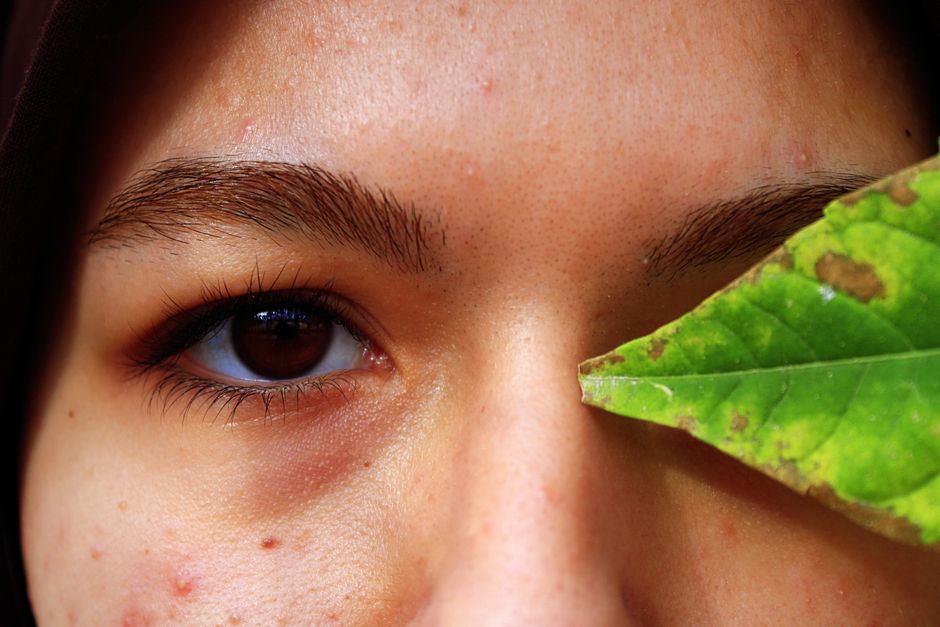
Eyelid exposure is how much of your eye stays visible when your face is relaxed. When that opening is larger than usual, the eyes can look wide, round, or “surprised,” and the surface of the eye may dry out more easily. You cannot change the size of the opening with eye exercises or creams. The real options are protecting the eye day to day and, in some cases, surgery for the underlying cause.
The medical term for a widened eyelid opening is scleral show or eyelid retraction. It is common, it ranges from a cosmetic concern to a sign of a thyroid or nerve problem, and how much it matters depends on why it is happening.
What Causes Eyelid Exposure?
Most cases come down to anatomy, aging, or an overactive muscle — and a smaller group trace back to a medical condition that needs a doctor’s attention.
The eyelid opening is controlled by two muscles. The levator palpebrae superioris lifts the upper lid. A small muscle called Müller’s muscle gives it a secondary boost. When either muscle is overactive, or when the tissue that normally holds the lid down is weak, the opening gets bigger.
Common causes include:
- Genetics. Some people simply have larger eyes and more visible white below the iris. This is normal variation, not disease.
- Aging. The skin and support tissues around the eye thin and stretch. In some people this makes the opening look larger; in most it makes the lid droop. Both happen.
- High myopia (nearsightedness). Eyes that are longer front-to-back can sit differently in the socket and show more sclera. This is a structural effect, not a sign of eye disease.
- Thyroid eye disease. This is the most important medical cause. In Graves’ disease, inflammation and swelling behind the eye push the eyeball forward and can retract the lids. It affects a meaningful share of people with Graves’ disease, though estimates vary widely across studies.
- Nerve problems. Damage to the nerve that controls the eyelid muscle (the oculomotor nerve) usually causes a droop, not a wide opening. But certain nerve and muscle conditions can produce retraction.
- Prior eye surgery or trauma. Scarring can pull the lid into an unusual position.
- Contact lens wear and eye strain. These do not permanently enlarge the opening, but they can make the eye look more exposed when the surface is irritated.
One clarification worth knowing: a “wide-eyed” look is not the same as exophthalmos (bulging eyes). Retraction is about the lids. Proptosis is about the eyeball’s position. They often occur together in thyroid disease, but they are measured differently and treated differently.
How Do You Know If Eyelid Exposure Is a Medical Problem?
If the change came on recently, affects one eye more than the other, or comes with other symptoms, see a doctor. Stable exposure you have had your whole life is usually not a medical issue.
Signs that warrant an eye exam include:
- Eyes that look different from photos taken a year or two ago
- One eye noticeably more open than the other
- Bulging, pressure, or pain behind the eye
- Double vision
- Dryness, grittiness, or a feeling that something is in the eye
- Unexplained weight loss, fast heartbeat, heat intolerance, or tremor (possible thyroid signs)
An eye doctor can measure the eyelid position (called margin-reflex distance) and check for proptosis. If thyroid disease is suspected, blood tests for thyroid function and antibody levels are standard. This is not something to self-diagnose from a mirror.
How To Reduce Eyelid Exposure: Causes And Treatments
Treatment depends entirely on the cause. There is no cream, exercise, or massage that permanently reduces eyelid opening, and anyone selling one is selling something unproven.
Here is how the main options break down:
| Cause | Approach | Evidence level |
|---|---|---|
| Normal anatomy / cosmetic concern | Acceptance, makeup, or cosmetic surgery (blepharoplasty) | Well established for surgery; results vary |
| Dry eye from exposure | Lubricating drops, gels, ointments, punctal plugs | Well established |
| Thyroid eye disease | Treat thyroid, manage eye symptoms, surgery if stable | Established; timing matters |
| Müller’s muscle overactivity | Prescription eye drops (off-label use) | Some evidence; specialist decision only |
| Scarring or structural | Surgical repair by an oculoplastic surgeon | Established in experienced hands |
For dry eye caused by exposure: the surface of the eye dries faster when it is more open. Preservative-free artificial tears during the day and a thicker gel or ointment at night are standard. Some people tape their lids closed at night. These measures manage symptoms; they do not change the lid position.
For thyroid eye disease: the priority is controlling the thyroid and protecting the eye. Some people need medication, and in more serious cases, surgery. A key point many people do not know: eyelid surgery for thyroid eye disease is usually delayed until the disease has been quiet and stable for a period, because operating during active inflammation tends to give poor results. Your specialist decides the timing.
For cosmetic reduction: an oculoplastic surgeon can lower the upper lid or raise the lower lid. This is real surgery with real risks, including overcorrection, scarring, and dry eye. It is not a minor procedure, and it is not appropriate for everyone.

Can Eye Exercises or Creams Reduce Eyelid Exposure?
No. There is no clinical evidence that eye exercises, facial massage, or eyelid creams change the position of the eyelid opening.
This is worth saying plainly because the internet is full of “eye yoga” and “lid tightening” routines. The eyelid is held in position by muscle tone and connective tissue. You cannot train it into a different shape any more than you can train your ear to move differently. Some people report their eyes feel less tired after exercises — that is a comfort effect, not a structural change.
Creams marketed for “hooded eyes” or “eye opening” work on skin surface at best. They do not reach the muscle or the tissue that sets lid height.
What Everyday Steps Help Protect Exposed Eyes?
If your eyes are more open than average, the main day-to-day job is keeping the surface moist and protected.
- Use lubricating drops. Preservative-free artificial tears are the standard first step. Frequency depends on your symptoms; ask your eye doctor rather than guessing.
- Protect at night. A thicker ointment before bed helps if your eyes do not fully close during sleep.
- Wear sunglasses outdoors. Wind and sun both dry the surface faster.
- Take screen breaks. Blinking rate drops during focused screen use, which worsens dryness.
- Avoid smoke and direct airflow. Fans, heaters, and car vents aimed at the face speed evaporation.
- See an eye doctor if symptoms persist. Long-term dryness can damage the surface of the eye, and that is treatable when caught early.
These steps do not reduce exposure. They reduce the harm exposure can cause.
When Should You See a Doctor About Eyelid Exposure?
See an eye doctor if the change is new, one-sided, or comes with pain, bulging, or vision changes. Those features point to a cause that needs diagnosis, not a cosmetic fix.
A sudden change in eyelid position, especially with double vision or a droop on one side, can be a sign of a neurological problem and should be checked promptly. Stable exposure present since childhood is a different situation and usually needs no treatment beyond comfort measures.
The bottom line: eyelid exposure is mostly anatomy, sometimes aging, and occasionally a medical condition. The honest answer is that you cannot shrink it with home remedies. You can protect the eye, and you can get the cause properly evaluated. That is where the real options are.
Frequently Asked Questions
Can eyelid exposure be reduced without surgery?
Only the symptoms can be managed without surgery, mainly through lubricating drops and eye protection. No exercise or cream has been shown to change lid position.
Is scleral show a sign of thyroid disease?
It can be, especially if it is new, one-sided, or comes with bulging or other symptoms. Most people with visible sclera do not have thyroid disease, but a doctor can check.
Does sleeping with eyes partly open cause damage?
It can cause dryness and surface irritation over time. Lubricating ointment at night and a doctor’s evaluation are the usual steps.
Is eyelid surgery for exposure safe?
It is a real operation with real risks, including overcorrection and dry eye. Safety depends on the surgeon and the cause, so a specialist evaluation comes first.
