
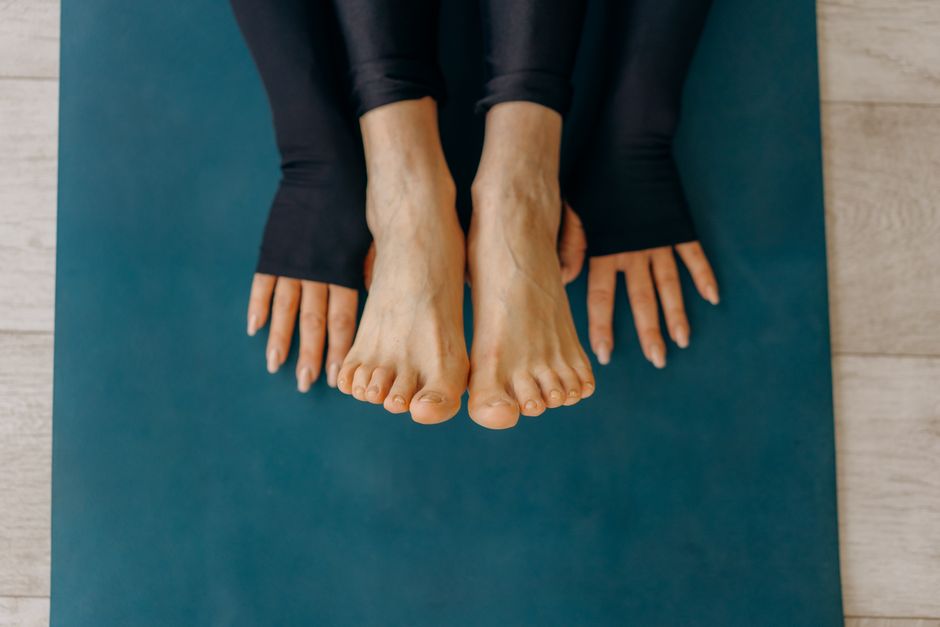
Foot cramps hit without warning. One moment you are fine. The next, a muscle in your foot locks up tight and will not let go. It hurts. It stops you in your tracks. The good news is that most foot cramps are not a sign of something serious. And there are things you can do to stop them or make them happen less often. Stretching, staying hydrated, and checking your electrolyte balance are the first steps that research supports. This article lays out what the evidence actually says about reducing cramps in your feet.
What Actually Causes Foot Cramps?
Muscles cramp when they contract and will not relax. In the foot, this often happens in the arch or the toes. The exact cause is not always clear, even to doctors. But several things are known to trigger them.
Overuse is a big one. If you stand all day, walk a long distance, or start a new exercise routine, your foot muscles can get tired. Tired muscles are more likely to cramp. Dehydration also plays a role. When your body is low on fluids, the balance of minerals that help muscles work gets thrown off.
Low levels of certain minerals, called electrolytes, are another common cause. Potassium, magnesium, and calcium all help muscles contract and relax the right way. The CDC reports that many adults do not get enough magnesium or potassium from food. This can make cramps more likely. Poor blood flow to the feet, often from sitting too long or wearing tight shoes, can also bring on cramps. In rare cases, nerve issues or thyroid problems are behind frequent cramps. But for most people, the cause is something simple like not drinking enough water or wearing shoes that do not fit.
How to Stop a Foot Cramp When It Happens
When a cramp hits, you want relief fast. The most effective thing you can do is stretch the muscle that is stuck. For a cramp in the arch of your foot, sit down and pull your toes back toward your shin. Hold the stretch gently. Do not jerk or force it. The muscle should start to release within 30 seconds.
Massage also works. Use your thumbs to press into the tight spot. Apply steady pressure, not quick pokes. Moving your foot in circles or wiggling your toes can help too. If the cramp will not let go, try standing up and putting weight on the affected foot. The pressure can help the muscle relax.
Heat is another tool. A warm towel or a heating pad on the cramped muscle increases blood flow and signals the muscle to let go. Cold is better if the muscle is sore after the cramp stops, but heat is best during the cramp itself. Some people report that pinching the skin above the upper lip helps, but there is no strong evidence for this. Stick with stretching and massage. Those are what work best.
How To Reduce Cramps In Feet With Daily Habits
Preventing cramps is better than treating them. The most direct way to reduce cramps in feet is to build habits that keep your muscles healthy. Start with hydration. The National Academies of Sciences, Engineering, and Medicine recommends about 11.5 cups of fluid per day for women and 15.5 cups for men. That includes water from food and drinks. If you exercise or spend time in heat, you need more.
Electrolytes matter too. A research review published in the Journal of the International Society of Sports Nutrition found that electrolyte imbalances, especially low magnesium, are linked to muscle cramps. Eating foods rich in these minerals helps. Bananas, spinach, almonds, and yogurt are good sources. You do not need expensive supplements. Food works fine for most people.
Stretching your feet every day can also lower your risk. A simple calf stretch done twice a day has been shown in studies to reduce nighttime leg cramps. The same logic applies to foot cramps. Before you get out of bed in the morning or before you go to sleep, spend one minute stretching your feet. Pull your toes back and hold. Point them and hold. This keeps the muscles flexible and less likely to lock up.



What the Research Says About Stretching and Exercise
Stretching is not just an old wives’ tale. There is real evidence behind it. A study in the journal Physiotherapy Theory and Practice looked at people who had frequent nighttime leg cramps. Those who stretched their calves and feet before bed had significantly fewer cramps over six weeks compared to those who did not stretch.
Exercise also helps, but the type matters. Low-impact activities like walking, swimming, or cycling improve blood flow to the feet without overworking the muscles. High-intensity exercise without proper warm-up can actually trigger cramps. If you run or do jumping exercises, warm up your feet first. Walk for a few minutes. Do ankle circles. Stretch your arches. This prepares the muscles and reduces the chance of cramping during the workout.
One thing the research is clear on: shoes matter. A study in The Foot journal found that people who wore shoes with poor arch support had more foot cramps. Shoes that are too tight or too loose can also cause problems. Look for shoes that fit well, have good arch support, and are not worn out. Replace athletic shoes every 300 to 500 miles. If you stand all day, consider insoles that support your arch.
Common Misconceptions About Foot Cramps
There is a lot of bad advice online about foot cramps. One common claim is that drinking pickle juice stops cramps instantly. Some people report it helps, but strong evidence is limited. A small study in Medicine & Science in Sports & Exercise found that pickle juice relieved cramps faster than water in dehydrated men. But the effect may come from the vinegar triggering a nerve reflex in the throat, not from the electrolytes. It is not a reliable solution for everyone.
Another myth is that taking magnesium supplements will cure all cramps. This is widely claimed though strong evidence is limited. For people who are actually low in magnesium, supplements can help. But for most people with normal magnesium levels, taking more does not prevent cramps. The National Institutes of Health notes that magnesium supplements can cause diarrhea and stomach upset at high doses. Do not take them unless a blood test shows you are low.
A third misconception is that foot cramps are always caused by a vitamin deficiency. As of 2026 there is no clinical evidence that vitamin D or B vitamin deficiencies are a common cause of foot cramps. While severe deficiencies can cause muscle problems, most people with occasional foot cramps do not have a vitamin problem. They are more likely dehydrated, overtired, or wearing bad shoes.
| Remedy | What Evidence Says | Best Use |
|---|---|---|
| Stretching | Strong evidence from clinical studies | During a cramp and daily prevention |
| Massage | Moderate evidence, widely recommended | During a cramp to help muscle relax |
| Heat | Moderate evidence, increases blood flow | During a cramp, not after soreness sets in |
| Hydration | Strong evidence for prevention | Daily habit, especially before exercise |
| Electrolyte drinks | Moderate evidence for athletes | After heavy sweating, not needed daily |
| Magnesium supplements | Weak evidence unless deficiency exists | Only if blood test shows low levels |
What to Avoid If You Get Frequent Foot Cramps
Some things make foot cramps worse. Wearing high heels or shoes with no support is a common trigger. These shoes force your foot into an unnatural position and strain the muscles. If you get cramps often, avoid shoes that do not let your toes spread or that lack arch support. Flip-flops are especially bad for this.
Sitting for long periods also raises your risk. When you sit, blood pools in your legs and feet. Muscles do not get enough oxygen. This can trigger cramps. If you have a desk job, stand up every hour. Walk for two minutes. Shake out your feet. This keeps blood moving and muscles relaxed.
- Avoid sudden increases in exercise intensity. Build up slowly over weeks.
- Avoid dehydration. Drink water throughout the day, not just when you are thirsty.
- Avoid sleeping with your toes pointed. This shortens the calf muscle and can trigger nighttime cramps.
- Avoid alcohol before bed. Alcohol dehydrates you and can make cramps more likely.
One more thing to avoid: ignoring the problem. If you get foot cramps several times a week and they wake you up at night, see a doctor. It could be a sign of peripheral artery disease, nerve compression, or a thyroid issue. These are not common, but they are worth ruling out. Your doctor can run simple blood tests and check your circulation.
Frequently Asked Questions
What is the fastest way to relieve a foot cramp?
Stretch the cramped muscle by pulling your toes back toward your shin and hold for 30 seconds. Massaging the tight spot with steady pressure also helps the muscle relax quickly.
Can dehydration really cause foot cramps?
Yes, dehydration throws off the balance of electrolytes your muscles need to function. Even mild dehydration can make foot cramps more likely, especially during or after exercise.
Are foot cramps a sign of something serious?
Most foot cramps are harmless and caused by overuse, dehydration, or poor shoes. But frequent cramps that wake you up or happen with swelling or weakness should be checked by a doctor.
Does eating bananas prevent foot cramps?
Bananas provide potassium, which helps muscles work properly, so they can help if your potassium levels are low. But they are not a cure-all, and most people need a balanced diet with several minerals to prevent cramps.
