
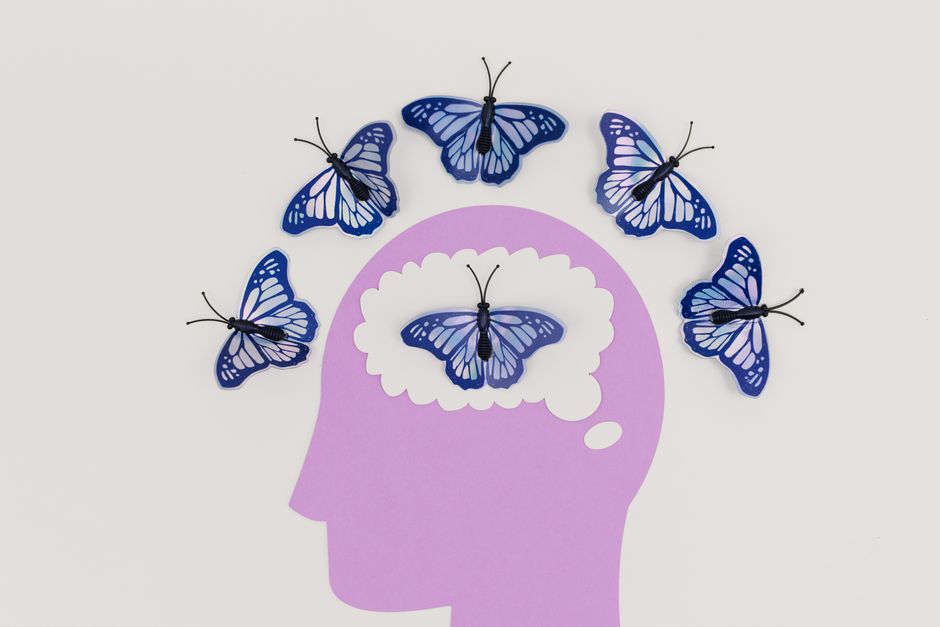
Cognitive dissonance is the mental discomfort you feel when two of your beliefs, or a belief and an action, do not line up. To reduce it, people generally take one of three core pathways: change the belief, change the behavior, or change how they think about the conflict. Each pathway works, and each has limits worth understanding before you rely on it.
The term comes from psychologist Leon Festinger, who proposed in the 1950s that people are motivated to keep their beliefs and actions consistent. When they clash, the discomfort pushes for resolution. That push is normal. It is not a flaw in your character.
What Is Cognitive Dissonance and Why Does It Feel Bad?
Cognitive dissonance is the tension you notice when your actions contradict your values or when two beliefs cannot both be true. The discomfort is real, and it serves a purpose.
The brain treats conflicting information as a problem to solve. Holding two contradictory ideas at once makes it harder to predict outcomes, make decisions, or feel confident about your choices. That is uncomfortable, so the mind works to close the gap.
Festinger’s classic research involved people who performed a boring task and were then paid to tell others it was interesting. Those paid a small amount later reported genuinely enjoying the task more than those paid a large amount. The reasoning: with little payment, there was no good external excuse for the lie, so the mind adjusted the belief instead. With a large payment, the money itself justified the behavior, so no belief change was needed.
This is the key insight. Dissonance reduction is not usually a conscious decision. It happens automatically, and it often protects your self-image rather than getting you closer to the truth.
How To Reduce Cognitive Dissonance 3 Core Pathways?
There are three established routes the mind takes to close the gap between conflicting beliefs or between a belief and a behavior. Most real-world cases use a mix of all three.
Pathway 1: Change the Belief
You can adjust what you believe so it fits your actions. This is often the easiest route, and the most dangerous one.
If you smoke and believe smoking is harmful, you could reduce the conflict by downplaying the risk. Research on this pattern is extensive. People who continue a behavior they know is risky tend to soften their view of the risk rather than change the behavior.
Changing a belief is not always a bad move. Sometimes new evidence genuinely should update what you think. The problem is that belief change driven by discomfort tends to move toward convenience, not toward accuracy. When you notice yourself suddenly finding a reason that a risky habit is “not that bad,” that is worth examining.
Pathway 2: Change the Behavior
You can change what you do so it matches what you believe. This is the most direct route and usually the hardest.
If you value health and you are not exercising, you could start exercising. The conflict resolves because the behavior now matches the value. No belief needs to bend.
Behavior change is difficult because it demands effort, and the discomfort of dissonance is often smaller in the moment than the effort required. This is why people frequently choose the easier pathway even when they know the harder one is better for them.
Pathway 3: Change How You Think About the Conflict
You can add a new idea that makes the two conflicting ones feel less opposed. This is sometimes called reducing dissonance by adding consonant cognitions.
If you eat meat and care about animals, you might tell yourself that you buy from humane sources, or that you need the protein, or that one person’s choices do not matter much. Each of these adds a thought that softens the clash without changing either the belief or the behavior.
This pathway is the most common and the least visible. It often looks like justification. Sometimes the justification is legitimate. Sometimes it is a story built to avoid discomfort.
Which Pathway Do People Actually Use?
People usually take the path of least resistance, and that is rarely behavior change. Research consistently shows that when behavior is hard to change, belief and justification shift instead.
Several factors push the choice:
- How important the belief is to your identity. The more central it is, the harder it is to change.
- How difficult the behavior is to change. Harder behaviors make belief change more likely.
- How much you have already invested. The more time, money, or effort you have put in, the stronger the pull to justify it.
- Whether others are watching. Public commitments tend to lock in the behavior and push the mind to adjust beliefs instead.
That last point connects to a well-known pattern. The more effort or cost you put into something, the more you tend to value it afterward. This helps explain why people stay in situations that seem, from the outside, clearly not worth it.





Is Reducing Cognitive Dissonance Always Healthy?
No. Reducing dissonance restores comfort, but comfort and accuracy are not the same thing. The pathway you choose determines whether you end up closer to reality or further from it.
When dissonance is resolved by changing a behavior to match your values, the outcome is usually positive. When it is resolved by softening a belief about a genuine risk, the outcome can be harmful. This is the honest tension at the center of the topic.
There is a useful distinction here that is easy to miss. Dissonance itself is not the enemy. The discomfort is a signal that something does not add up. Silencing the signal quickly, before examining what it is pointing at, is where people get into trouble.
Some clinicians and researchers describe a healthier approach as tolerating the discomfort long enough to look at it. That means asking what specifically conflicts, whether the belief or the behavior is the one that should move, and whether the justification you are reaching for would hold up if a friend said it to you.
Can You Reduce Cognitive Dissonance on Purpose?
You cannot switch off the automatic pull to justify yourself. But you can notice it and choose a different response.
Practical steps that fit the three pathways:
- Name the conflict out loud. Stating “I believe this, but I do this” makes the gap harder to paper over.
- Decide which side should move. Ask whether the belief is well supported or the behavior is worth keeping.
- Watch for convenient new reasons. If a justification appears right when you feel uncomfortable, treat it with suspicion.
- Change one small behavior rather than a large one. Smaller changes are easier to sustain and still reduce the gap.
- Expect the discomfort to fade either way. The mind resolves tension whether or not the resolution is wise.
None of this is a cure for the automatic process. It is a way of steering it. The research does not support the idea that you can eliminate dissonance, only that you can influence how it gets resolved.
When Cognitive Dissonance Reduction Becomes a Problem
The same mental process that protects your self-image can also entrench you in a bad decision. The more you have invested, the harder it is to walk away, because walking away means admitting the investment was a mistake.
This shows up in everyday life. Staying in a relationship that is not working. Continuing a purchase you regret. Defending a position you took in an argument long after you stopped being sure you were right.
The pattern is strongest when your identity is tied to the choice. Admitting error feels like admitting something about who you are, not just about what you did. That is why the most stubborn dissonance is often about things that matter most to how you see yourself.
Recognizing the pattern does not make it disappear. But it does give you a chance to ask whether the belief you are protecting is one you would hold if you were starting fresh today.
Frequently Asked Questions
What are the 3 core pathways to reduce cognitive dissonance?
The three pathways are changing the belief, changing the behavior, or adding new thoughts that make the conflict feel smaller. Most people use a mix of all three depending on the situation.
Is cognitive dissonance always bad?
No. The discomfort itself is a useful signal that something does not add up. It becomes a problem when it is resolved by softening a belief about a real risk instead of addressing the behavior.
Why do people justify bad decisions instead of changing them?
Changing a behavior is usually harder than adjusting a belief, so the mind often takes the easier route. The more effort or identity you have invested, the stronger that pull becomes.
Can you stop cognitive dissonance?
You cannot switch off the automatic drive to resolve it. You can notice the discomfort and choose which pathway to take, which is the part within your control.
